Safety Management Software Australia

Safety
Safety Management Software Australia
A modern guide to building safer, smarter and more compliant workplaces across the country
Introduction
Across Australia, businesses in every sector are facing increasing pressure to improve their safety performance, tighten compliance standards, and adopt more efficient digital systems to manage workplace risks. From construction sites to aged care facilities, industrial plants, retail networks, logistics operations, and corporate offices, the expectations of regulators, clients, and workers continue to rise.
In this environment, many organisations are turning to digital solutions to support their safety responsibilities. Among these, safety management software solutions in Australia have quickly become essential tools, transforming how hazards are identified, how incidents are reported, how risks are assessed, and how organisations maintain ongoing compliance.
This article provides an in-depth exploration of what modern safety technology looks like, why Australian businesses are increasingly adopting these systems, what features matter most, and how digital safety tools can reshape workplace culture.
The Evolving Landscape of Workplace Safety in Australia
When considering workplace safety in the Australian context, it is impossible to ignore how quickly expectations have shifted. Historically, safety management was dominated by paperwork, manual processes, filing cabinets full of reports, and significant time spent chasing information.
Today, regulations require more transparency, more data accuracy, and more timely reporting than ever before. Businesses must also respond to a range of modern challenges:

To meet these expectations, companies now require tools that support real time reporting, conduct evidence based assessments, centralise documentation, and ensure all safety information remains traceable and audit ready.
This is where safety management software and platforms in Australia have become essential.
Why Australian Organisations Are Moving Away from Paperwork
There are several compelling reasons why businesses throughout Australia are shifting to digital solutions.
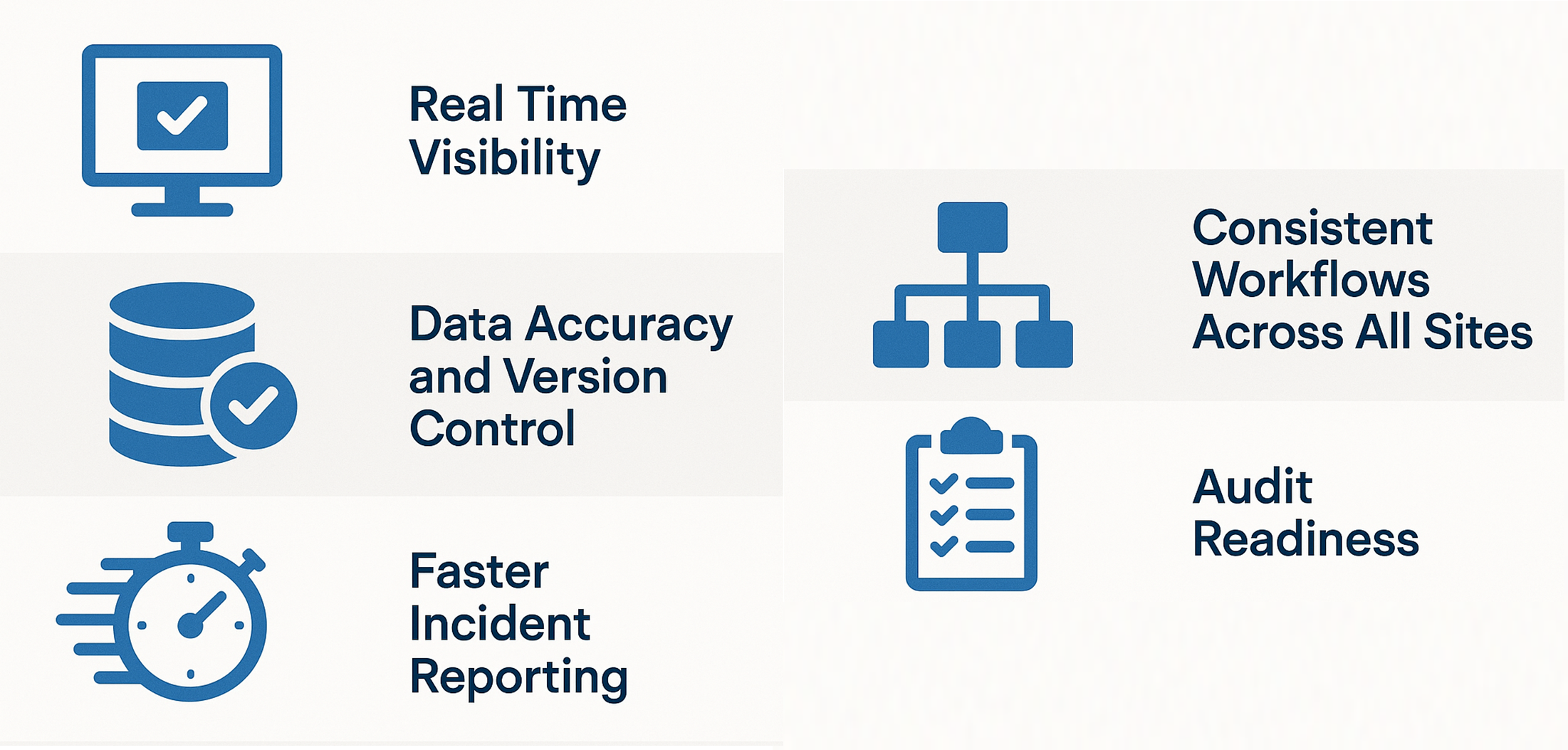
1. Real Time Visibility
Digital systems provide instant updates, allowing managers, supervisors, and executives to see:
- New hazards
- Incident reports
- Corrective actions
- Training completions
- Subcontractor compliance status
- Site based risk trends
This level of visibility was nearly impossible with traditional paper based processes.
2. Data Accuracy and Version Control
Paperwork is vulnerable to:
- Lost documents
- Illegible handwriting
- Duplicate forms
- Incorrect versions
- Missing signatures
With safety management software, every submission is digital, timestamped, geolocated, and traceable.
3. Faster Incident Reporting
Modern platforms allow workers to report incidents from mobile devices, including:
- Photos
- Videos
- Voice notes
- Immediate notifications
This improves the speed and accuracy of reporting, supporting better investigations and corrective actions.
4. Consistent Workflows Across All Sites
In multi site organisations, consistency is crucial. A digital system ensures that every location follows the same processes, uses the same forms, and generates comparable documentation.
5. Audit Readiness
Regulators and clients expect evidence based reporting. Digital platforms provide audit trails, stored documentation, version histories, and validated records, allowing businesses to demonstrate compliance at any time.
Core Features of the Best Safety Software Solutions
The most effective safety management software systems share a set of essential capabilities. These include:
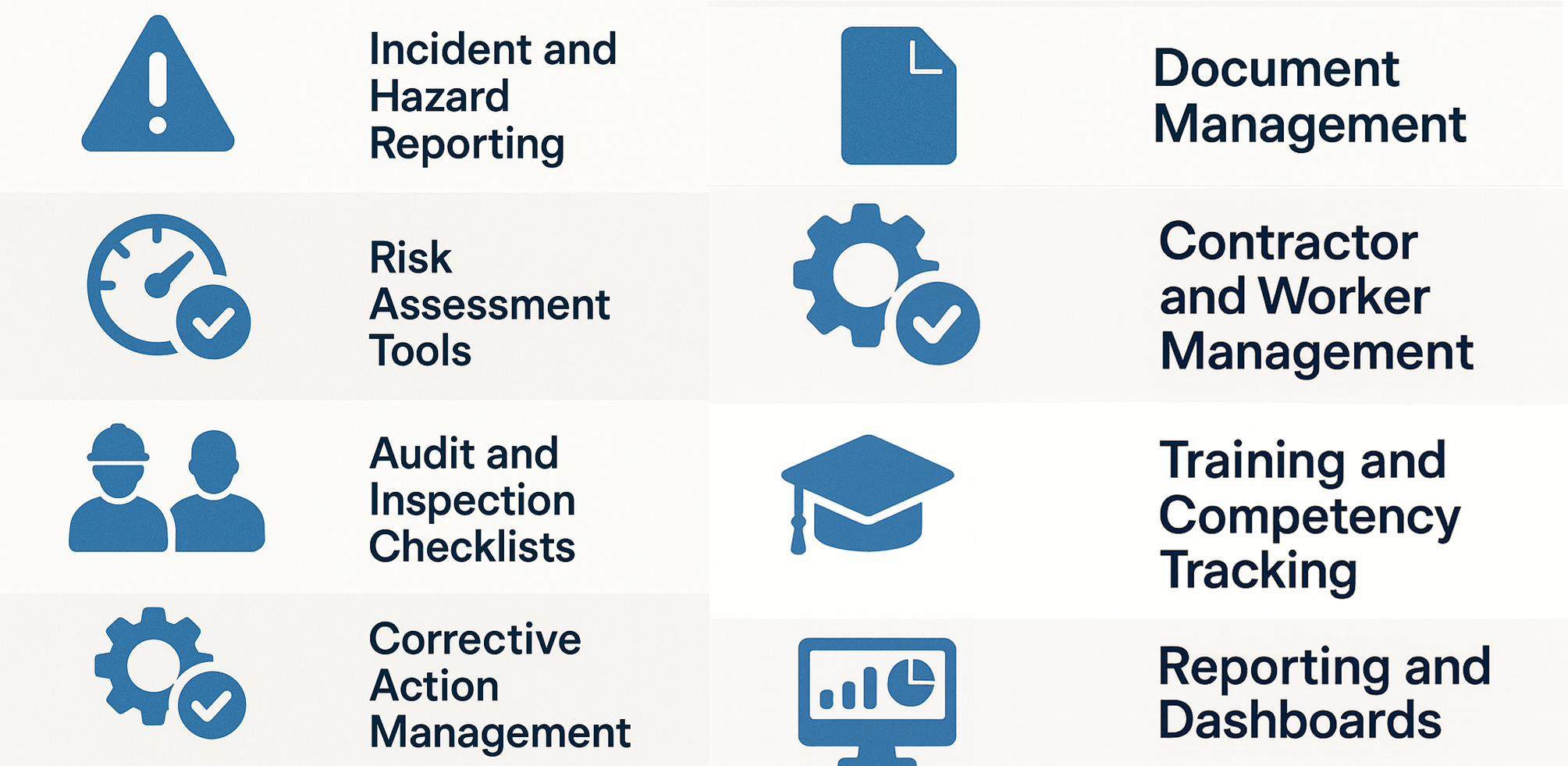
1. Incident and Hazard Reporting
Tools that allow frontline workers to quickly report incidents, hazards, near misses, and observations from any device. This creates a strong safety culture and ensures issues are captured early.
2. Risk Assessment Tools
Step-by-step risk assessment modules that allow users to document:
- Task descriptions
- Identified hazards
- Initial risk levels
- Control measures
- Residual risk levels
A good system ensures assessments remain consistent across different staff members and locations.
3. Audit and Inspection Checklists
Digital inspections eliminate paper forms and allow organisations to track:
- Site safety checks
- Vehicle and equipment inspections
- Environmental audits
- Contractor compliance walkthroughs
Checklist results can be automatically converted into actions for follow up.
4. Contractor and Worker Management
This includes:
- Digital inductions
- Prequalification
- Document collection and verification
- Training and competency records
- Expiry notifications
It ensures that every person on site is safe, trained, and compliant.
5. Corrective Action Management
Corrective actions often fall through the cracks in paper based systems. Safety software assigns actions, sets deadlines, tracks status, and sends reminders until the action is completed and verified.
6. Document Management
Policies, procedures, manuals, and safety forms need to remain controlled, current, and easy to access. Safety software helps organisations manage version control and ensure the right documents reach the right people.
7. Training and Competency Tracking
Training schedules, renewal reminders, competency logs, and attendance records are essential for compliance. A digital system automates much of this recording work.
8. Reporting and Dashboards
Real time dashboards provide executives and managers with insights including:
- Incident trends
- Action completion rates
- High risk activities
- Repeat hazards
- Training requirements
This visibility supports better decision making and proactive risk management.
Where Safety Software Creates the Most Impact
While safety management software provides value across all industries, some sectors experience even greater benefits..
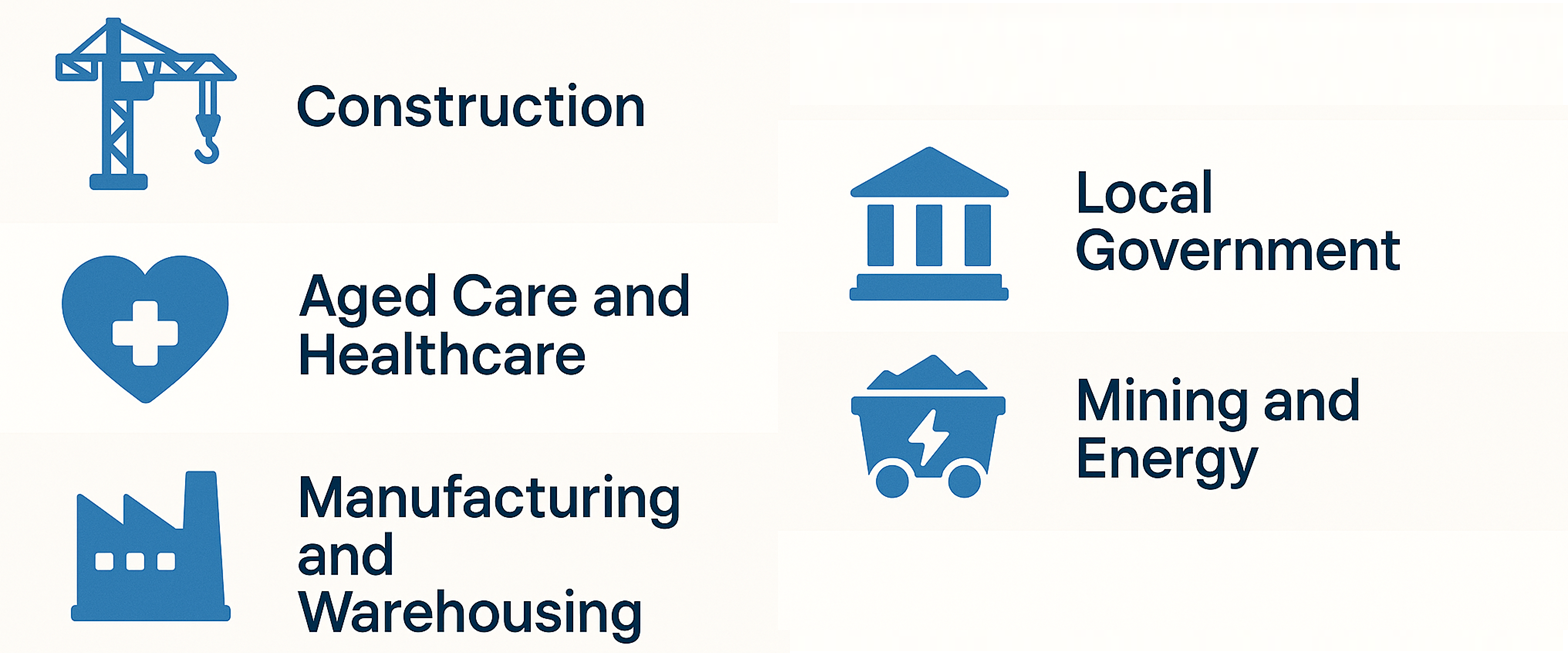
1. Construction
Construction is one of Australia’s highest risk industries, with complex subcontractor networks, strict client requirements, and high levels of site based hazards. Software helps manage:
- Daily pre starts
- Toolbox talks
- High risk work permits
- Working at height controls
- SWMS compliance
- Contractor management
- Plant and equipment safety
2. Aged Care and Healthcare
These sectors face strict regulatory compliance related to:
- Patient and resident safety
- Infection control
- Facility inspections
- Incident reporting
- Risk management
Digital systems help demonstrate compliance to auditors and accreditation bodies.
3. Manufacturing and Warehousing
Facilities with machinery, forklifts, confined spaces, and chemicals require:
- Hazard identification
- Lockout tagout controls
- Chemical registers
- Asset maintenance
Safety software provides the structure required to manage these risks consistently.
4. Local Government
Councils operate many different site types including parks, libraries, pools, depots, civic buildings, and community centres. Managing safety across this variety requires strong digital workflows.
5. Mining and Energy
These industries require high levels of safety assurance, real time reporting, and strict compliance under legislative and site based frameworks.
How Safety Management Software Improves Culture
Digital tools do more than capture data. They improve the way people think about and engage with safety.
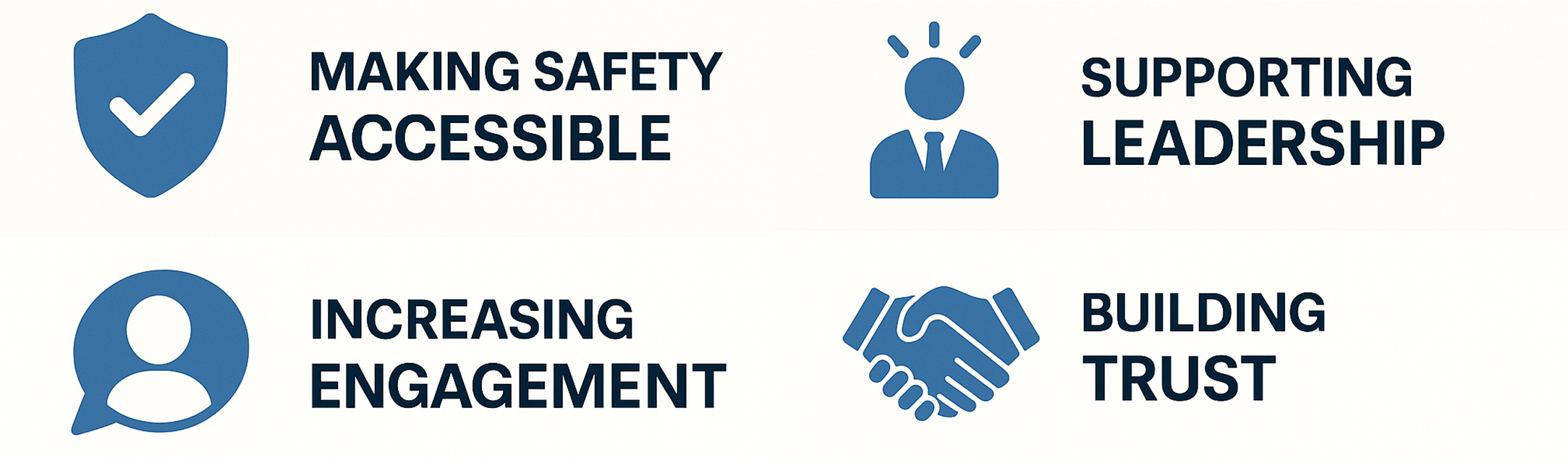
Making Safety Accessible
Workers can submit reports with photos and voice notes, making safety far more interactive.
Increasing Engagement
When safety becomes easy, people participate more. This builds a culture where hazard reporting, risk management, and continuous improvement become the norm.
Supporting Leadership
Leaders gain visibility, allowing them to make data driven decisions and demonstrate accountability.
Building Trust
When workers see that their reports lead to real improvements, trust grows. This encourages even more reporting and proactive behaviour.
Selecting the Right System for Your Organisation
Choosing safety management software in Australia should involve careful consideration of several factors.
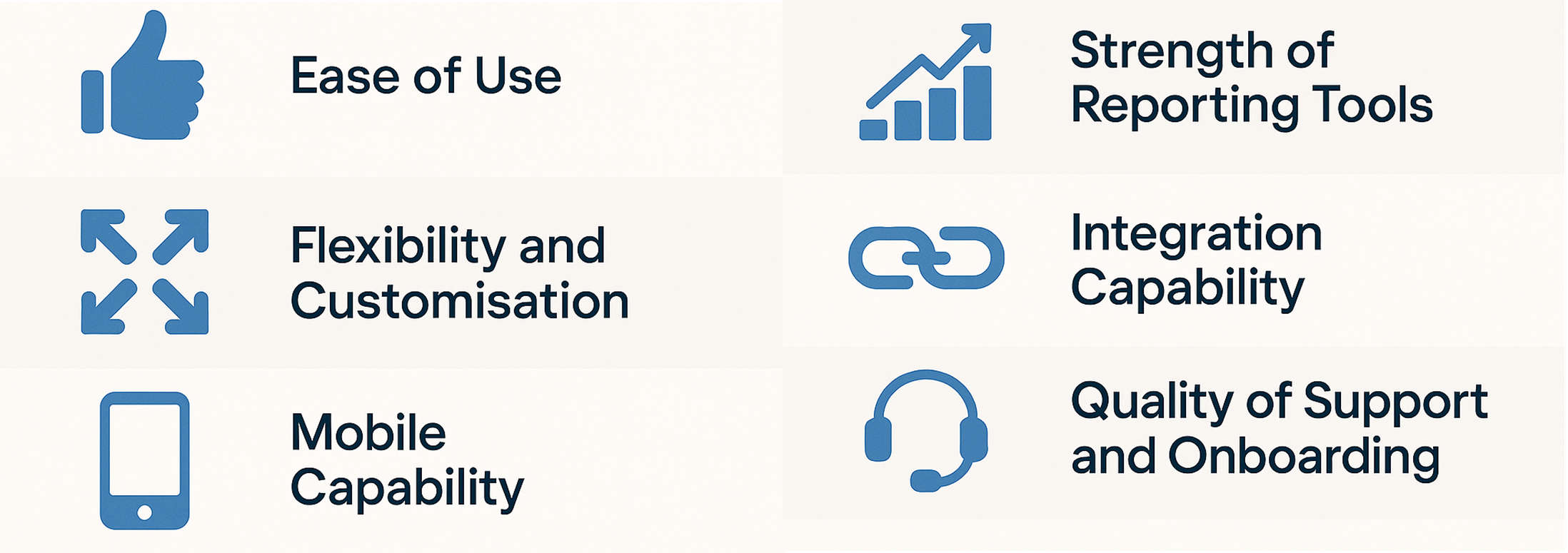
1. Ease of Use
If the system is difficult to navigate, workers will not use it. The interface should be simple, intuitive, and mobile friendly.
2. Flexibility and Customisation
Every organisation is different. A good safety platform must adapt to your processes, not force you to change everything.
3. Mobile Capability
Field staff need access to forms, reporting tools, and checklists on the go, with offline capability if required.
4. Strength of Reporting Tools
Dashboards, trend analysis, and exportable reports are essential for executives and compliance teams.
5. Integration Capability
Integrating with HR systems, contractor platforms, asset management tools, or CRM software can streamline operations and support a single source of truth.
6. Quality of Support and Onboarding
The vendor should provide:
- Training
- Setup assistance
- Ongoing support
- Regular updates
A system is only as effective as the support behind it.
The Future of Digital Safety Tools in Australia
The adoption of smart safety technology is accelerating. Over the next several years, we can expect major shifts including:
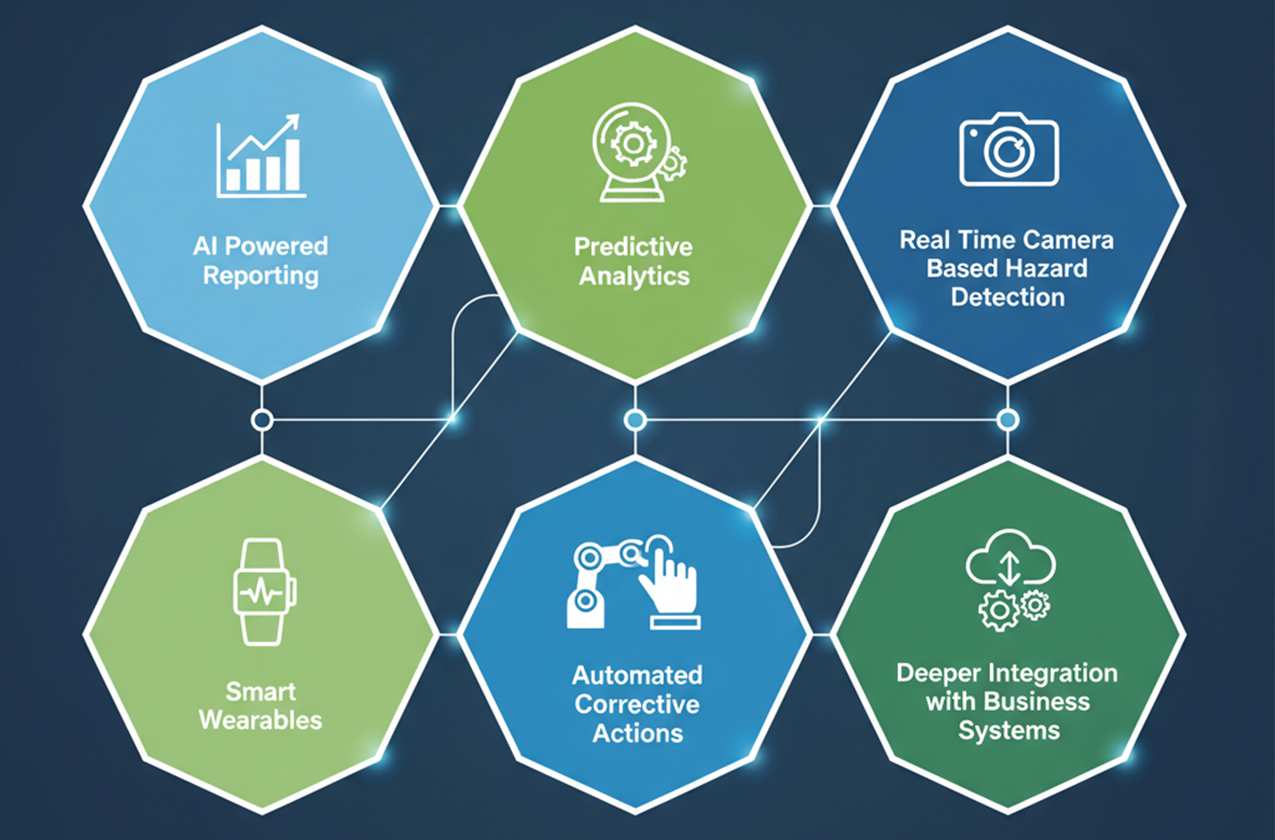
AI Powered Reporting
Systems that automatically generate incident reports, risk assessments, and hazard descriptions using voice input or uploaded photos.
Predictive Analytics
Using data trends to predict potential incidents or identify high risk workers or locations.
Real Time Camera Based Hazard Detection
AI enabled cameras that recognise behaviours, PPE compliance, or dangerous conditions.
Smart Wearables
Devices that monitor fatigue, proximity, vibration exposure, noise levels, or environmental conditions.
Automated Corrective Actions
AI systems that identify the right controls and initiate actions without human intervention.
Deeper Integration with Business Systems
Safety tools will become part of a connected ecosystem that includes HR, payroll, operations, facilities management, and quality assurance.
Conclusion
As Australian organisations face increasing expectations around safety, compliance, and operational efficiency, digital solutions have become more valuable than ever. The most effective systems provide visibility, consistency, accuracy, and improved engagement across all levels of the organisation.
By implementing safety management software in Australia, businesses not only streamline their safety processes but also create safer and more productive workplaces. With stronger reporting, better risk management, automated workflows, and real time insights, these platforms support a proactive and modern safety culture designed for the Australian regulatory landscape.
If your organisation is looking to reduce paperwork, improve compliance, enhance visibility, and empower frontline workers to play an active role in safety, now is the right time to explore digital solutions that transform every part of your WHS system.
.png)
Disclaimer
At SiteSherpa, we follow the Model Work Health and Safety (WHS) Act, along with other relevant legislation, regulations, and codes of practice applicable to Australia, to ensure our content reflects industry best practices. Our resources are designed to provide helpful guidance, but they don’t replace professional advice or legal requirements. We do our best to share accurate and reliable information, but businesses should always check their specific WHS obligations to stay compliant and keep their workplaces safe.
Related Content
.png)
.png)
.png)
.png)
.png)
.png)
.png)
.png)
.png)

Join Our Newsletter
Receive expert insights, safety updates, and the latest updates in our services and apps. Stay ahead of workplace safety, compliance, and operational efficiency—delivered straight to your inbox.
By clicking Subscribe you're confirming that you agree with our Terms and Conditions.