
Safety
Building a Safer Future: Why a Modern Safety Management System Matters in Australia
SiteSherpa · 2025-12-12 · 17 min read
Australia has some of the most robust workplace health and safety laws in the world, and for good reason: nothing is more important than creating environments where workers return home safely every day. Yet despite strong legislation, regulators, and industry frameworks, thousands of workplace incidents still occur each year across construction, health care, logistics, manufacturing, aged care, retail and government sectors.
The challenge is rarely a lack of intention, most organisations want to be safe. The issue is the complexity of implementing, maintaining, and improving safety systems in real-world environments. With operations spread across multiple worksites, diverse teams, growing regulatory requirements, and increasing technological shifts, managing safety is no longer a simple checklist exercise.
This is where a safety management system becomes essential. It is not merely a collection of documents; it is the backbone of effective safety performance. And in the Australian context, where the Work Health and Safety Act 2011, state-based legislation and industry codes all intersect, the value of a clear, structured system is even more critical.
This article explores what a safety management system is, why it matters, how it benefits organisations across Australia, and what modern systems now look like with rapid digitisation. It also explains what organisations should expect from a high-quality solution and why investing in one is no longer optional.
What Is a Safety Management System?
A safety management system, commonly called an SMS, is the overarching framework an organisation uses to manage workplace risks, maintain compliance, and foster safe behaviours. It provides the structure through which hazards are identified, risks are assessed, controls are implemented, and safety performance is continuously reviewed and improved.
A well-built system includes:
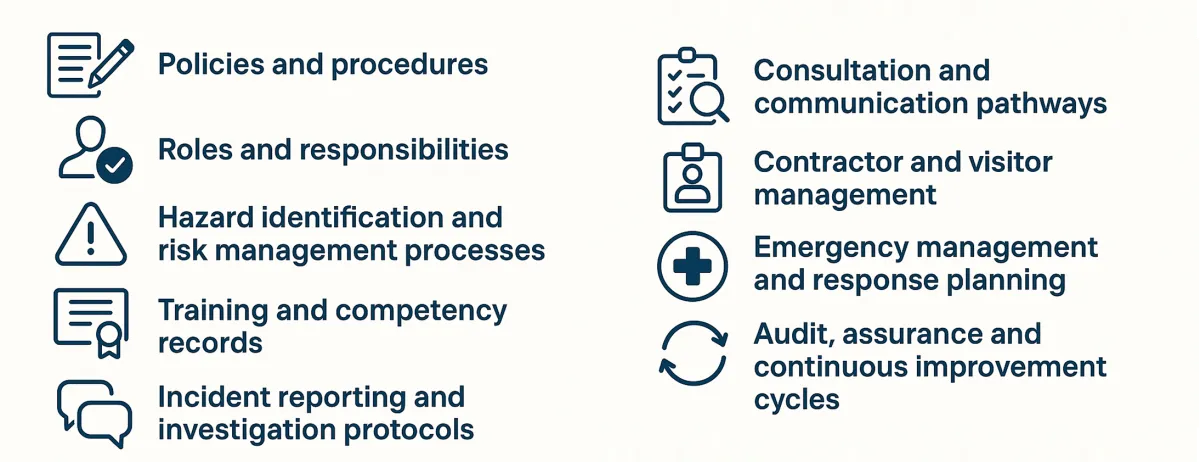
When an organisation adopts a dedicated safety management system, every worker, contractor, and leader understands the expectations, processes and standards required to do their job safely.
Why a Safety Management System Is Essential in Australia
Workplace health and safety legislation in Australia emphasises that every employer must eliminate or minimise risks so far as reasonably practicable. This means organisations must demonstrate they have a system in place that identifies hazards, implements controls, and regularly evaluates its effectiveness.
A robust system supports compliance with:
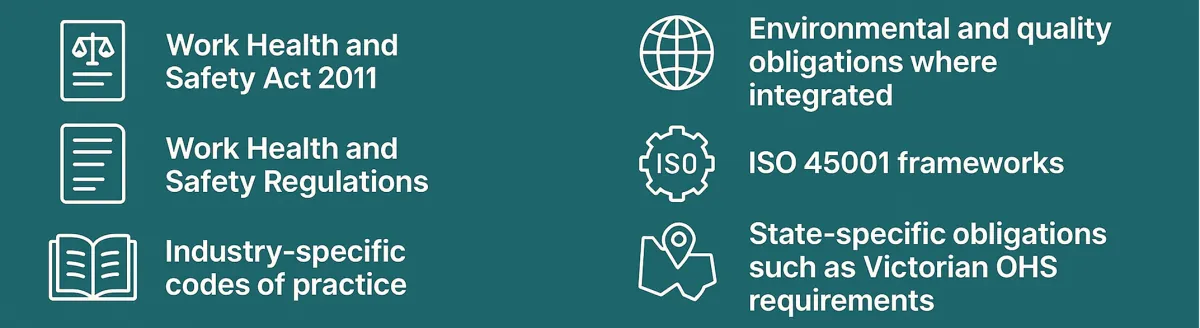
Having a structured approach is no longer optional. It is a legal expectation, a moral obligation, and a strategic advantage.
The Core Benefits of a Safety Management System

The primary benefit is obvious: implementing a strong safety management system reduces the likelihood of harm. It brings consistency, clarity and structure to the work environment so that risks are managed before an incident occurs.

Workers operate more effectively when processes are clear and safe. Eliminating uncertainty leads to fewer delays, less confusion and stable output. Safer environments also reduce downtime caused by injuries, investigations or regulatory actions.
Regulators expect evidence. A documented system with audits, records, training, and documented hazard controls demonstrates compliance and protects organisations from penalties and reputational damage.
When workers can see that safety is embedded into operations, their trust and involvement increase. Consultation improves. Reporting increases. People feel more confident in raising concerns or suggesting improvements.

Contractors are considered workers under Australian WHS law. A system ensures they understand expectations, complete inductions, and follow your controls.

Modern systems generate valuable data: recurring hazards, high-risk trends, training gaps, audit outcomes, incident patterns and more. Leaders use this information to make better, faster decisions.
Digital Transformation: The New Era of Safety Systems
Traditionally, safety systems were built on paper, spreadsheets and folders of documents. While this approach may have worked decades ago, it no longer meets the needs of complex, fast-paced operations.
The modern workplace requires real-time information, digital reporting, mobile access, automation, and smarter workflows. This is where digital safety platforms are reshaping the industry.
Digital safety systems now include:
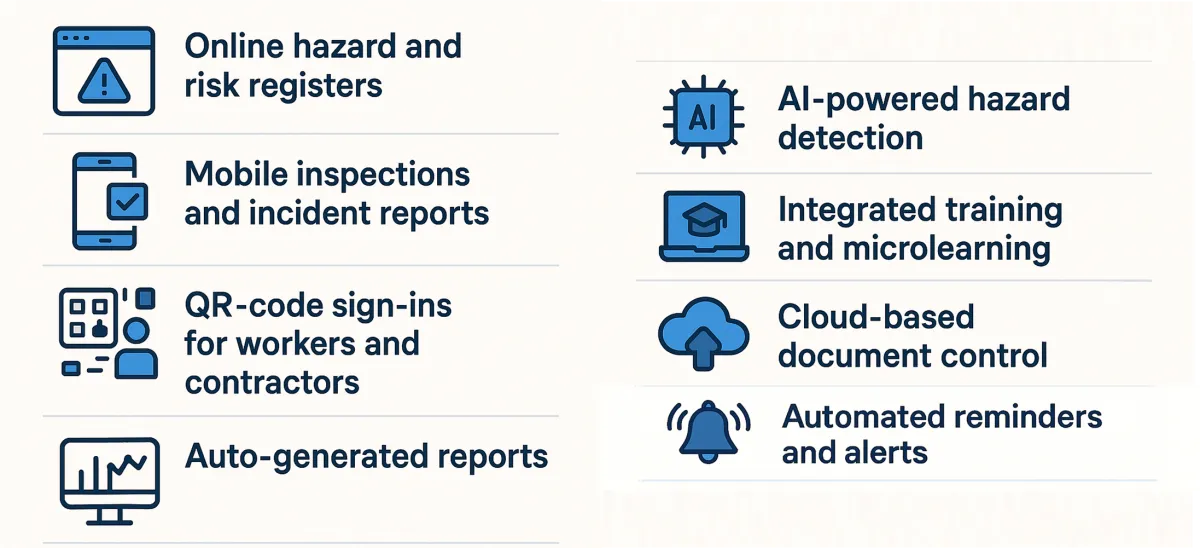
These platforms allow organisations to operate effectively across multiple sites, teams, and risk levels.
Why Many Organisations Upgrade Their Safety Systems
Across Australia, businesses in construction, aged care, local government, manufacturing, essential services and logistics are moving to modern digital platforms because:
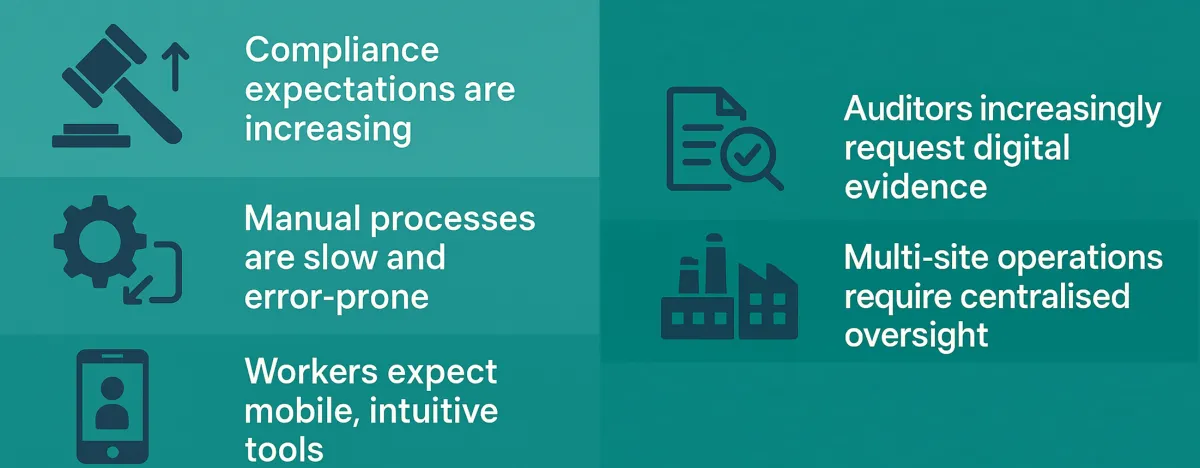
A digital solution does not replace the human element, it strengthens it. It frees leaders from administrative burden and allows them to spend more time coaching, mentoring, and engaging with workers.
Common Challenges Without a Safety Management System
Organisations that do not have a structured safety management system often face predictable challenges:
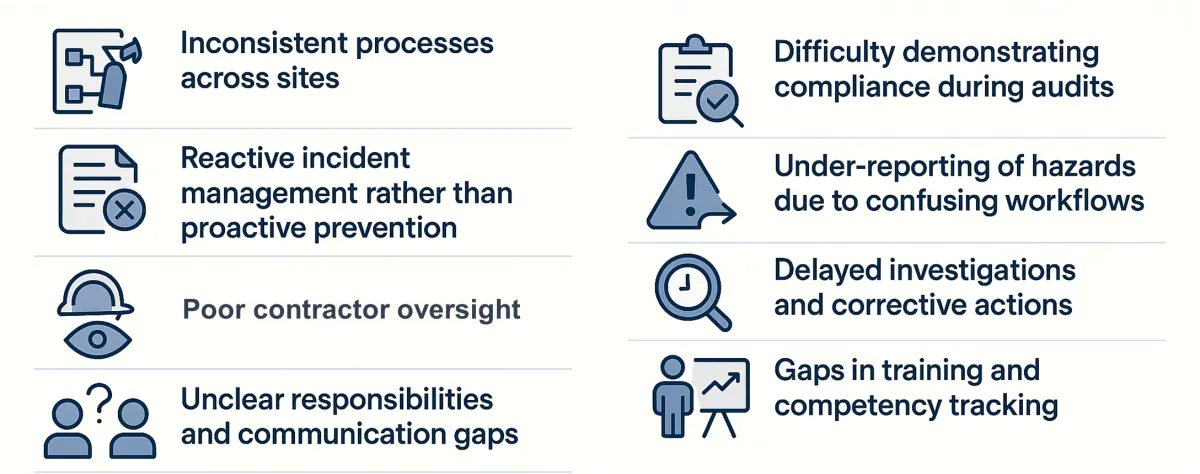
These issues often worsen as organisations grow. What worked with 10 staff may collapse under the weight of 200, multiple sites, or high-risk operations.
Choosing a Safety Management System in Australia
Selecting the right system begins with understanding the organisation's needs. Key considerations include:
Different industries require different controls.
For example:
- Construction needs SWMS, high-risk controls and contractor management
- Aged care requires incident response, resident safety and clinical integration
- Logistics requires fatigue management and vehicle safety protocols
- Local government needs centralised oversight across diverse facilities
A system should be adaptable to these differences.

A small business with one site needs a different setup from a national organisation managing hundreds of locations. The system must scale appropriately.

If workers cannot use the system easily especially in high-risk environments, it will fail. The best systems offer:
- Mobile-first design
- Voice-to-text reporting
- Simple forms
- Offline capability

Many organisations need their safety system to integrate with:
- Maintenance systems
- HR platforms
- Learning management systems
- Contractor onboarding tools
- Incident management tools
- Calendar or operations systems
Integration removes duplication and ensures consistent data.

Dashboards must allow leaders to see:
- High-risk hazards
- Overdue actions
- Incident trends
- Training gaps
- Contractor performance
- Audit outcomes
Without visibility, leaders cannot make informed decisions.
The Future of Safety Management Systems in Australia
Australia is moving rapidly towards smarter, technology-enabled safety practices. Over the next decade, several advancements will shape the future of workplace safety
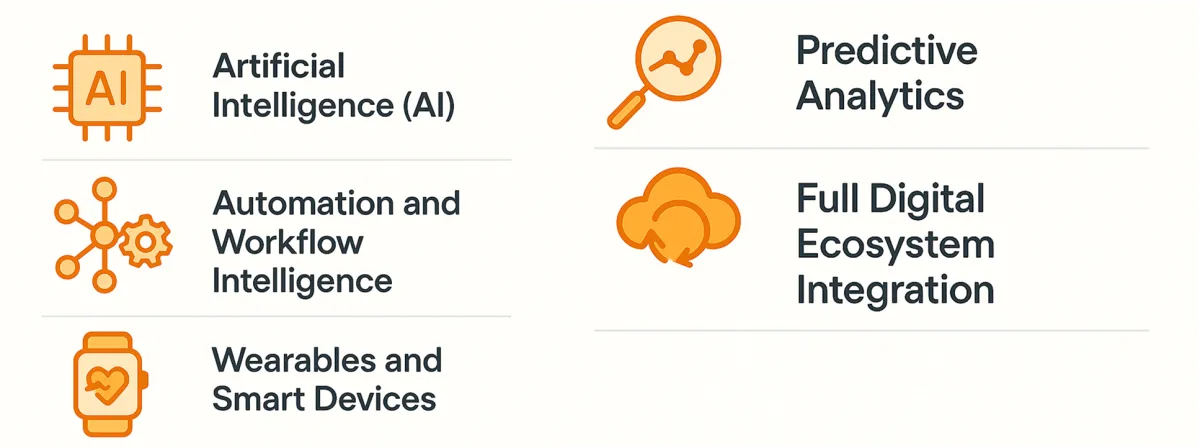
Artificial Intelligence (AI)
AI is already being used to:
- Analyse photos and videos for hazards
- Auto-populate incident reports
- Score risk levels
- Generate corrective actions
- Identify trends from large datasets
Automation and Workflow Intelligence
Safety systems will continue automating:
- Reminders and notifications
- Corrective action follow-up
- Training renewals
- Audit scheduling
- Contractor verification
Wearables and Smart Devices
Smart PPE, fatigue monitoring, GPS-enabled devices and biometric alerts will become more common across high-risk industries.
Predictive Analytics
Rather than reacting to incidents, systems will highlight likely risks before they escalate.
Full Digital Ecosystem Integration
Safety systems will no longer operate in isolation. They will integrate with:
- HR onboarding
- Project management tools
- Asset maintenance
- Quality and environmental systems
- Client and contractor portals
This creates a single, unified operational framework.
Conclusion: A Safety System Is No Longer Optional
Every organisation large or small, public or private has a duty to protect its people. A safety management system provides the structure, tools and clarity needed to meet that responsibility under Australian law.
But beyond compliance, it creates workplaces where people can thrive, teams can collaborate, and leaders can operate with confidence. A modern, digital system ensures consistency, efficiency and transparency across the entire organisation.
Workplace safety is not a box to tick, it is a continuous journey. Investing in a strong system is one of the most powerful steps any organisation can take towards a safer, more productive future.
Stay in the loop.
WHS news, platform updates, and the occasional rant. No spam.
By subscribing you agree to our Terms.