
Safety
Workplace Safety Consultants Australia
SiteSherpa · 2025-12-10 · 15 min read
Introduction
Across every industry in Australia, from construction and manufacturing to aged care and technology, workplace health and safety is more than a compliance requirement. It is a strategic necessity. Organisations face increasing pressure to maintain safe environments, reduce incidents, improve risk management, and protect the wellbeing of their workforce. This is where workplace safety consultants Australia businesses rely on play a critical role. These professionals provide the expertise, structure, and hands-on support needed to help organisations meet legal obligations while building a culture of safety that goes beyond minimum compliance.
This comprehensive guide explores who workplace safety consultants are, what they do, why they matter, and how Australian businesses benefit from their specialised capabilities. It also breaks down the evolving regulatory landscape, modern safety challenges, and how external consulting services help organisations tackle risks more effectively. By the end of this article, you will understand why so many companies seek the support of Australian workplace safety consultants and teams in navigating today’s demanding workplace safety environment.
Why Workplace Safety Matters in Australia
Australia has some of the most robust workplace safety legislation in the world. The Work Health and Safety Act, along with industry standards and state regulations, sets clear expectations for employers. Beyond compliance, however, the real value of safety lies in its impact on people, performance, and reputation.
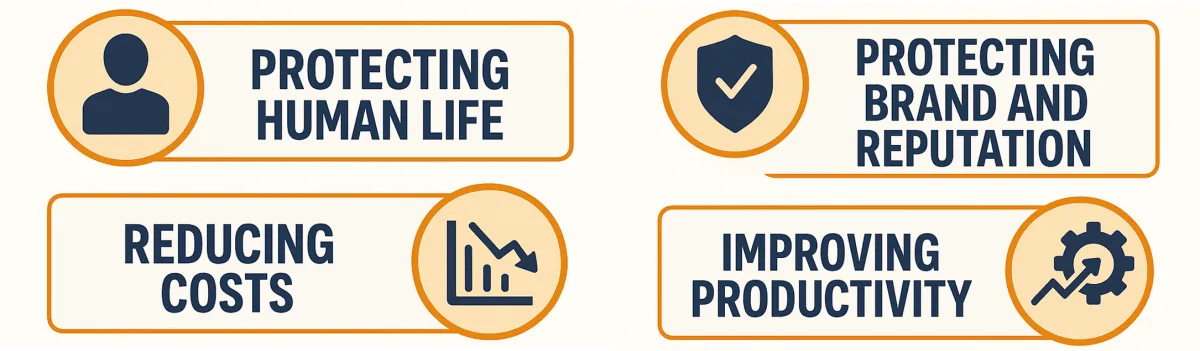
1. Protecting Human Life
Every worker deserves to return home safely. Effective safety systems prevent injuries, illnesses, and fatalities, the most fundamental priority for every business.
2. Reducing Costs
Workplace incidents lead to:
- medical expenses
- lost productivity
- insurance claim increases
- operational disruptions
- legal liabilities
These costs can cripple an organisation if unmanaged.
3. Protecting Brand and Reputation
Consumers, clients, and contractors increasingly prefer companies that demonstrate strong safety performance.
4. Improving Productivity
A safe workplace is an efficient workplace. Fewer incidents mean fewer stoppages, greater confidence, and better morale among staff.
These factors drive the growing demand for workplace safety consultants in Australian organisations used to lift safety standards, build compliant systems, and foster high-performing safety cultures.
What Workplace Safety Consultants Do
Workplace safety consultants deliver a vast range of specialist services. Their role is to provide guidance, technical expertise, and hands-on support that aligns with legislation, standards, and industry best practice.
Below are the core areas consultants commonly assist with:
1. Risk Assessments and Hazard Identification
Consultants examine worksites, equipment, materials, and activities to identify potential hazards. They assess risks, recommend controls, and support ongoing risk management strategies.
2. Safety Management System Development
A modern safety management system includes:
- policies
- procedures
- safe work instructions
- forms and registers
- emergency plans
- training records
Consultants help build, document, and maintain these systems so they remain compliant and functional.
3. Audits and Inspections
Consultants conduct internal audits, external audits, site inspections, and system reviews. These help organisations understand their current level of compliance and areas needing improvement.
4. Incident Investigation
Consultants assist with root cause analysis, corrective actions, and reporting. This helps prevent recurrence while strengthening systems.
5. Contractor Management
Companies rely on contractors more than ever. Consultants develop contractor frameworks that ensure:
- pre-qualification
- onboarding
- permit-to-work processes
- compliance tracking
- performance monitoring
6. Training and Competency Development
Common training provided includes:
- general safety awareness
- hazard identification
- manual handling
- risk management
- emergency response
- leadership and safety culture
7. Legislative Compliance Support
Regulations constantly evolve. Consultants help businesses interpret changes, update documents, and maintain compliance with state and federal requirements.
Industries That Rely on Workplace Safety Consultants
Consultants operate across a broad range of Australian sectors, including:
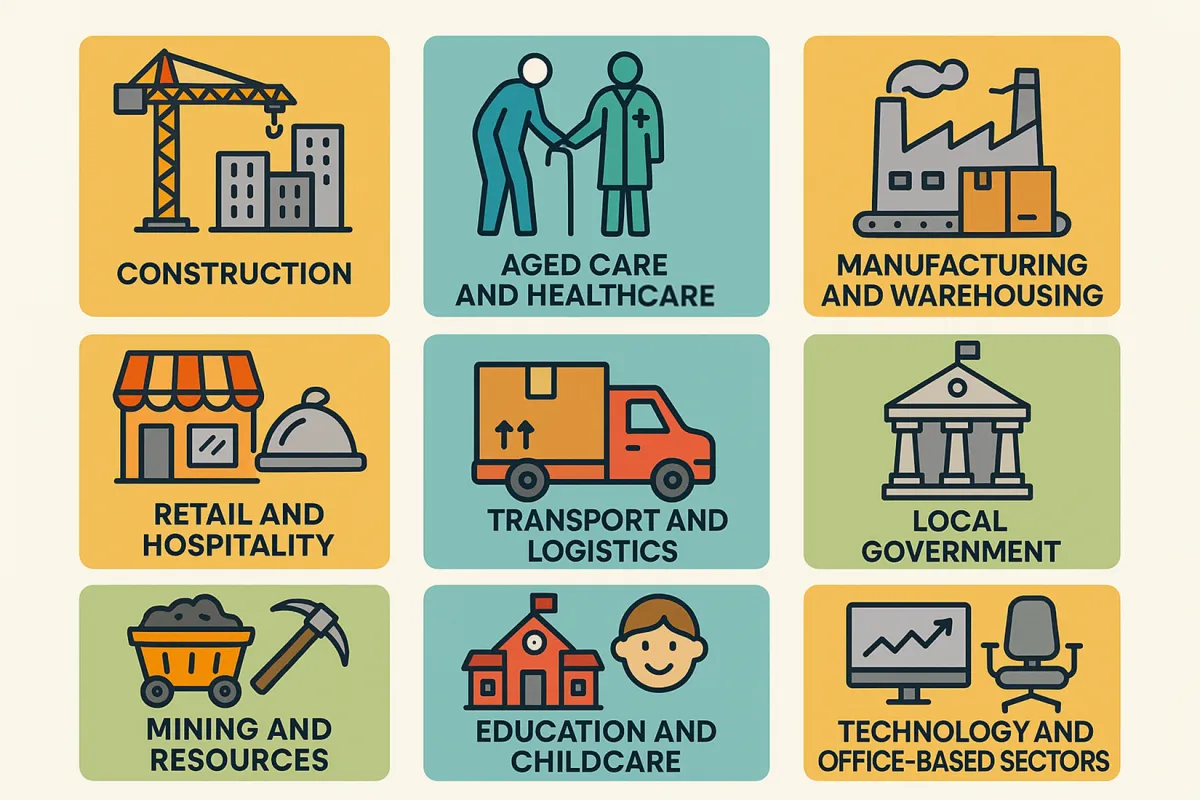
Each industry has unique hazards, but all require a consistent, structured approach to safety something consulting teams specialise in providing.
The Evolving Role of Safety Consultants
Modern workplace safety is not just about paperwork or inspections. It now includes:
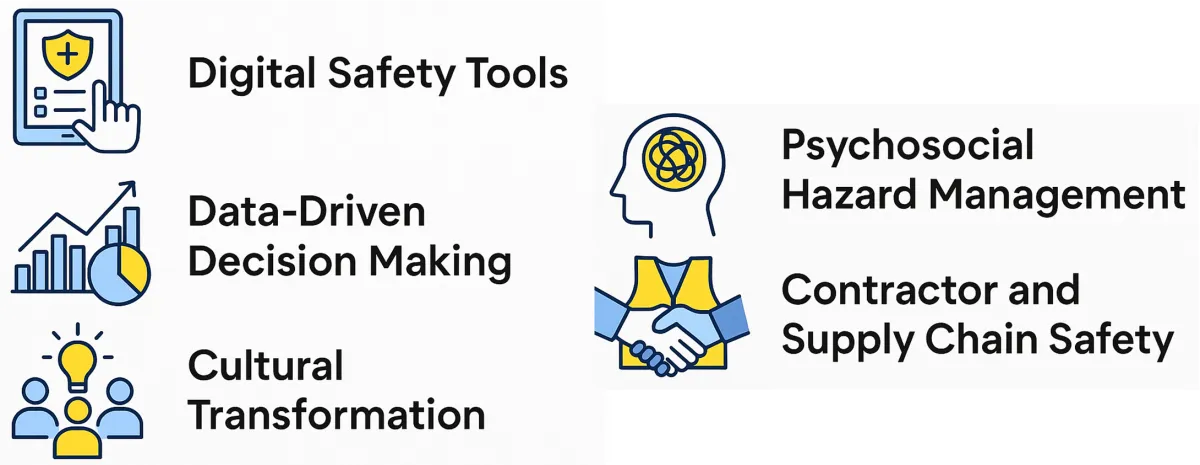
Digital Safety Tools
Apps, digital forms, QR sign-ins, and AI-driven analytics improve accuracy and reduce administrative burden.
Data-Driven Decision Making
Consultants help businesses use data to forecast risks, track performance, and streamline reporting.
Cultural Transformation
Safety culture has become a major focus. Consultants work closely with leadership teams to embed safety into everyday operations.
Psychosocial Hazard Management
New laws require employers to manage stress, workload, bullying, job demands, and other psychosocial risks.
Contractor and Supply Chain Safety
As companies rely more on external contractors, consultants help build robust governance frameworks.
These advanced capabilities are why many companies partner with workplace safety consultants in Australian organisations and trust them to future-proof their safety systems.
Benefits of Engaging Workplace Safety Consultants
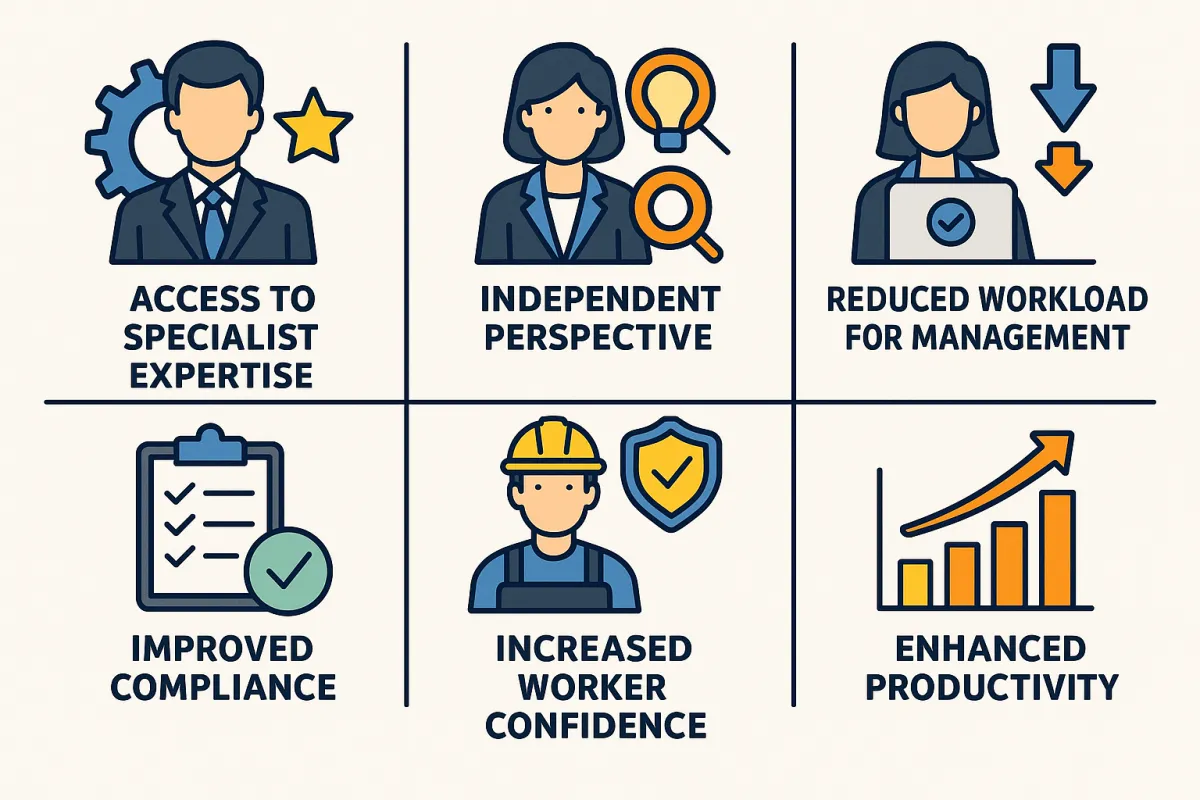
1. Access to Specialist Expertise
Consultants bring deep knowledge of WHS laws, industry best practice, and risk controls.
2. Independent Perspective
An external view often uncovers blind spots that internal teams miss.
3. Reduced Workload for Management
Consultants handle documentation, assessments, and reporting so internal teams can focus on operations.
4. Improved Compliance
Their expertise ensures your business remains aligned with WHS legislation and standards like ISO 45001.
5. Increased Worker Confidence
A well-structured safety program shows employees they are valued.
6. Enhanced Productivity
Safe workplaces operate more efficiently, experience fewer delays, and encourage stronger performance.
Choosing the Right Workplace Safety Consultant in Australia
When selecting a consultant, consider:
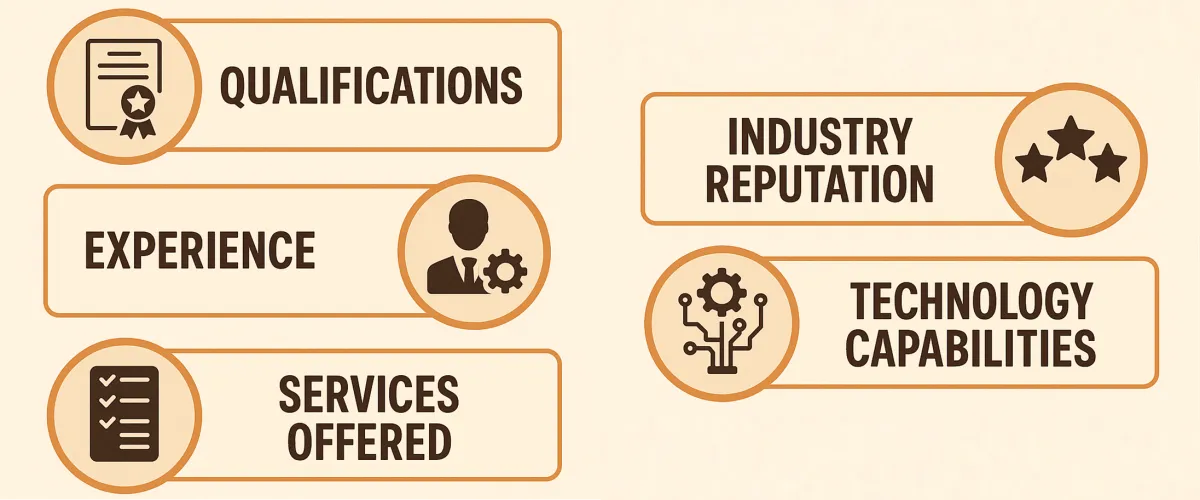
Qualifications
Look for Certified WHS professionals, auditors, and consultants with relevant licences or accreditations.
Experience
Choose consultants with a proven track record across your industry.
Services Offered
Ensure they provide end-to-end WHS support, including systems development, audits, training, and digital tools.
Industry Reputation
Investigate testimonials, case studies, and referrals.
Technology Capabilities
Modern WHS requires digital efficiency choose consultants who utilise advanced tools.
Conclusion
Workplace safety is a fundamental responsibility for every employer in Australia. As regulations evolve and workplace risks become more complex, businesses increasingly rely on specialised professionals to guide them. Engaging reputable workplace safety consultants that Australian companies trust ensures your systems remain compliant, your workforce stays protected, and your business becomes stronger, safer, and more resilient long-term.
Stay in the loop.
WHS news, platform updates, and the occasional rant. No spam.
By subscribing you agree to our Terms.