AI Safety Reporting Tool

Safety
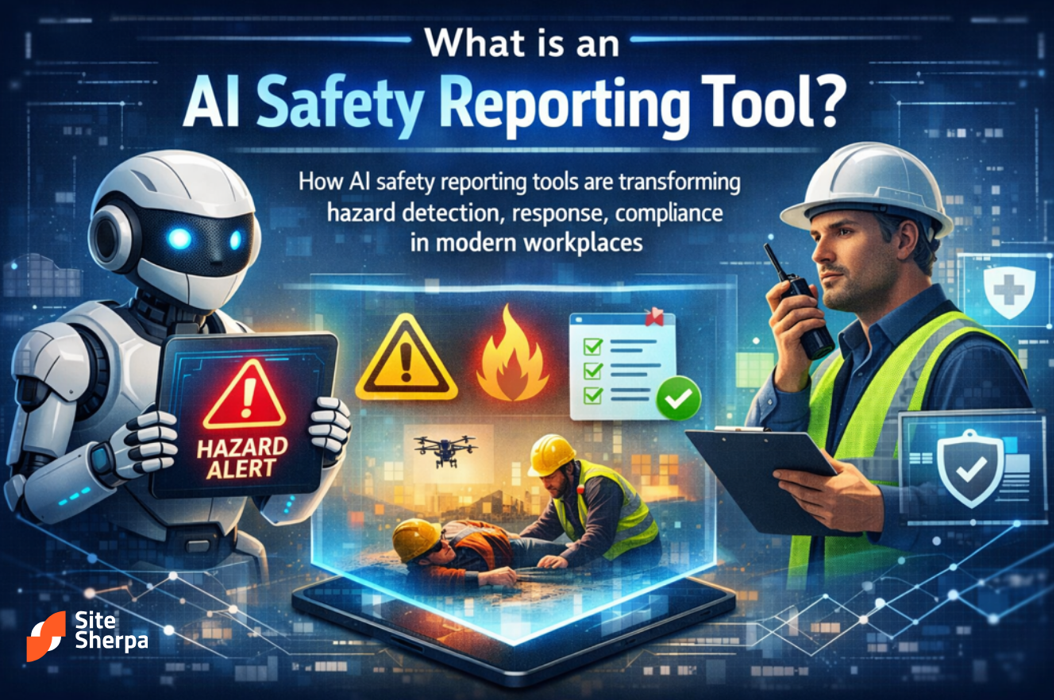
What is an AI safety reporting tool?
How AI safety reporting tools are transforming hazard detection, response, and compliance in modern workplaces
In an era where workplaces are more complex, dynamic, and interconnected than ever before, traditional safety reporting methods are often insufficient. Manual processes, paper forms, emails and spreadsheets introduce delays, data gaps, and administrative burdens that hinder timely action. Organisations across industries are increasingly turning to digital solutions, with AI safety reporting tools emerging as a powerful innovation reshaping how hazards, incidents, and risks are captured and managed.
This article explores what an AI safety reporting tool is, why it matters, how it works, what benefits it delivers, and how organisations can implement it to enhance safety, compliance, and culture. Whether you’re in manufacturing, construction, healthcare, logistics, or corporate environments, understanding how AI is applied to safety reporting is essential for future ready safety management.
What is an AI safety reporting tool?
An AI safety reporting tool is a digital platform that leverages artificial intelligence (AI) to automate, enhance, and accelerate the process of reporting safety issues, such as hazards, near misses, incidents, and unsafe conditions. Unlike conventional reporting systems that rely solely on manual input and static forms, AI safety tools use machine learning, natural language processing (NLP), image recognition, predictive analytics, and intelligent workflows to:
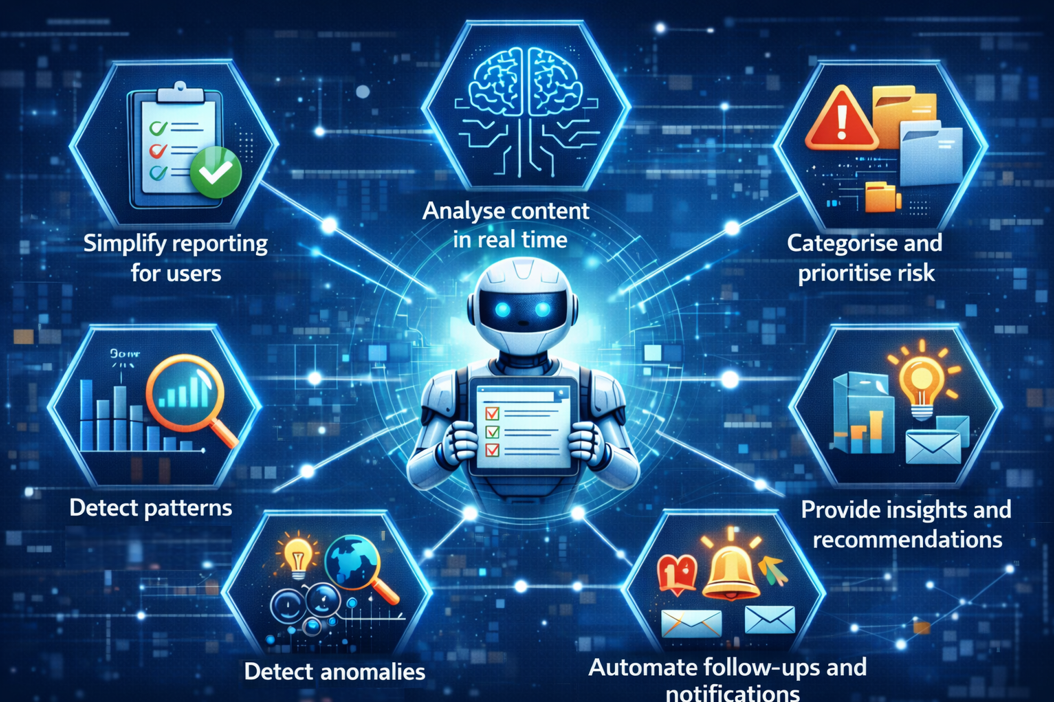
In essence, these AI-powered tools turn raw safety data into actionable intelligence, helping organisations not only record safety issues but also prevent harm more effectively.
Why AI safety reporting tools matter
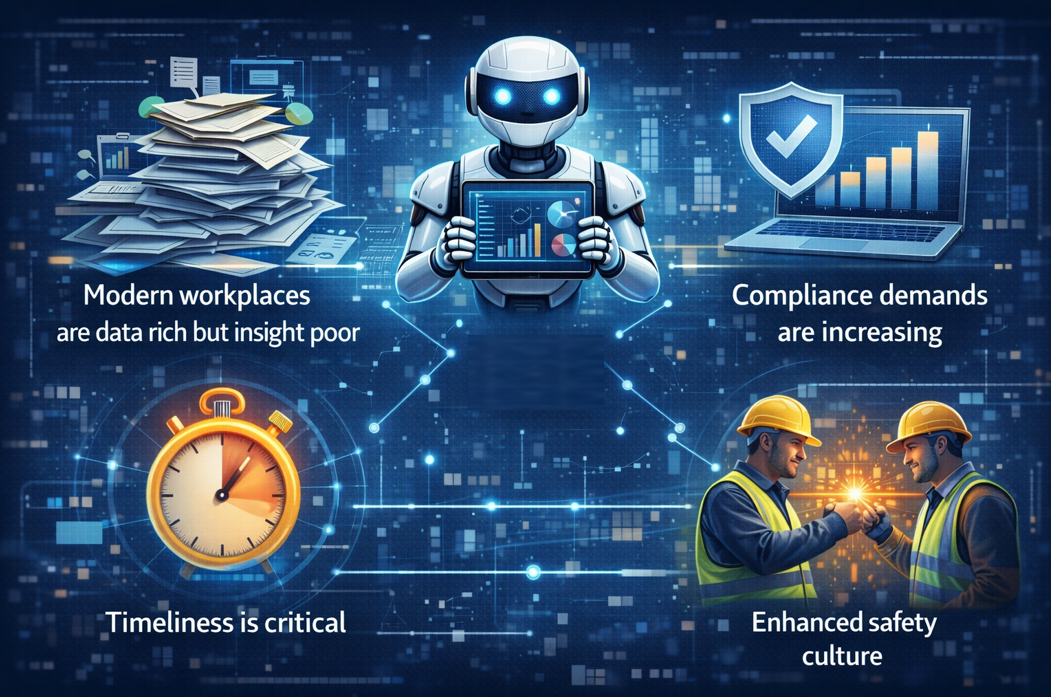
Modern workplaces are data rich but insight poor
Today’s workplaces generate enormous amounts of information, from sensor data and equipment logs to employee reports and inspection results. However, this data is often siloed or poorly structured, making it difficult to extract meaningful insights. AI addresses this challenge by analysing diverse data sources, identifying trends, and highlighting risks that might otherwise go unnoticed until an incident occurs.
Timeliness is critical
Many safety failures occur not because hazards are unknown, but because issues were detected too late. AI safety reporting tools enable real-time analysis and alerts, dramatically reducing the time between hazard identification and corrective action.
Compliance demands are increasing
Regulators across the globe, including in Australia, expect organisations to demonstrate proactive hazard identification, risk assessment, and control verification. An AI safety reporting tool helps organisations maintain robust auditable records and prove that risks are systematically managed, not just documented.
Enhanced safety culture
By making reporting easier, more intuitive, and less punitive, AI tools encourage greater participation from workers at all levels. When employees see that reports lead to timely action and insights, trust in the safety system grows, strengthening overall culture.
How AI safety reporting tools work
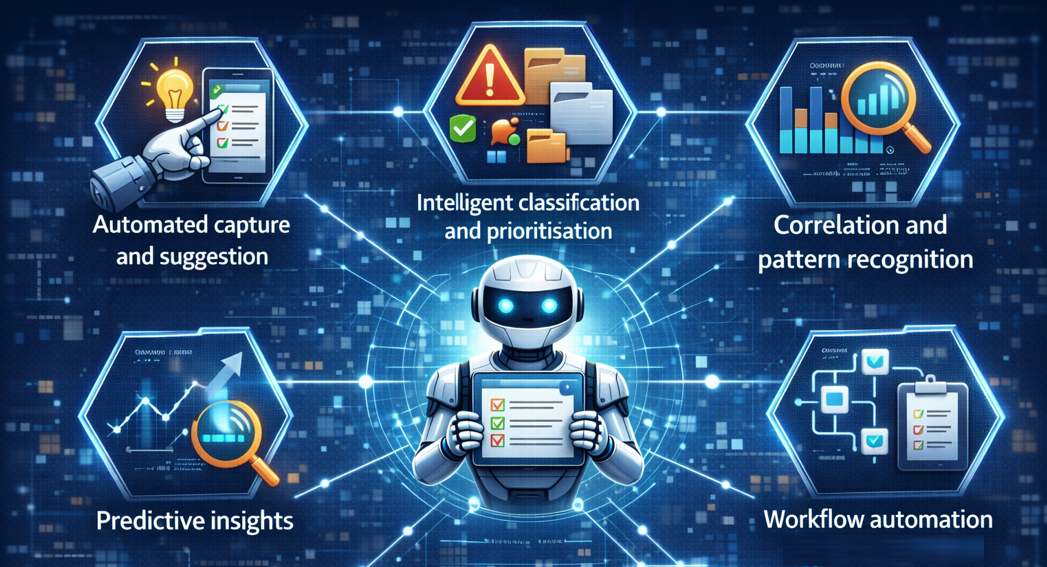
1. Automated capture and suggestion
AI safety reporting tools don’t just accept user inputs, they assist with them. For example:
• NLP can interpret free-text descriptions and extract relevant risk categories
• Auto-suggest fields based on user entries to speed reporting
• Image recognition can identify hazards in photos uploaded by the user
• Voice-to-text capabilities allow hands-free reporting
These features reduce friction and enhance accuracy, enabling more frequent and detailed reporting.
2. Intelligent classification and prioritisation
Once a report is submitted, AI algorithms analyse the content to classify the report into categories such as hazards, near misses, injuries, equipment faults, or environmental concerns. Using risk scoring models, the tool can then prioritise issues based on severity, likelihood, and potential impact.
This helps safety teams focus their limited resources on the most critical issues first, reducing risk before it escalates.
3. Correlation and pattern recognition
AI excels at identifying patterns across large datasets. An AI safety reporting tool can:
• Correlate reports across time, location, or operation
• Detect clusters of similar hazards
• Identify systemic issues that individual reports might not reveal
This capability is particularly valuable in complex environments where multiple small issues may indicate larger underlying problems.
4. Predictive insights
One of the most advanced features of AI safety reporting tools is predictive analytics. By analysing historical data, AI can forecast areas of elevated risk, providing early warnings and guiding preventive activities such as inspections, maintenance, or targeted training.
For example, if the system detects that a particular machine type or work activity consistently generates near misses, it may flag it as a high-risk focus area for proactive intervention.
5. Workflow automation
Once reports are ingested and analysed, AI tools can automate follow-up processes:
• Assign tasks to responsible individuals
• Trigger escalation if actions overdue
• Send reminders and notifications
• Update stakeholders on progress and closure
This automation ensures that reporting leads to action and that nothing gets lost in inboxes or spreadsheets.
Key benefits of using an AI safety reporting tool
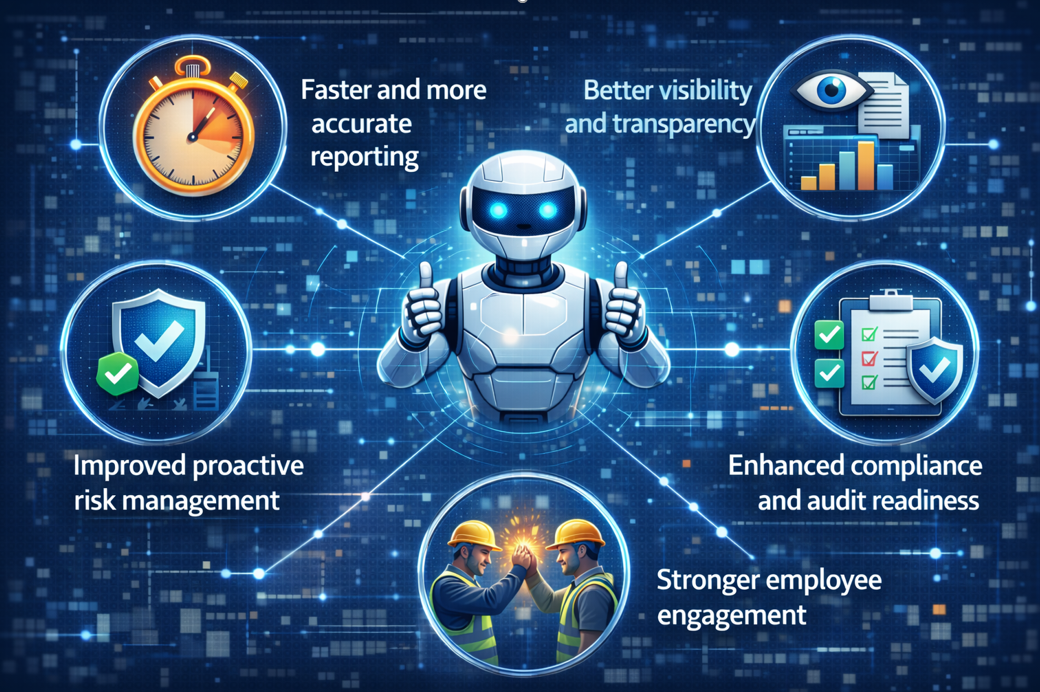
Faster and more accurate reporting
AI minimises guesswork and manual effort. Users spend less time completing forms and more time contributing valuable safety information. Automated categorisation and validation also improve data quality.
Better visibility and transparency
Dashboards and analytics provide real-time visibility into safety performance. Leaders can monitor emerging trends, high-risk activities, and unresolved hazards across teams, sites, or operations.
Improved proactive risk management
Rather than reacting to incidents after they occur, organisations equipped with AI safety reporting tools can anticipate and mitigate risks before they cause harm. This shift from reactive to proactive management is a hallmark of mature safety systems.
Enhanced compliance and audit readiness
AI tools maintain comprehensive records with timestamps, classifications, and decision trails that support regulatory compliance. Whether preparing for an audit or responding to a regulator, organisations can demonstrate robust, data-driven safety practices.
Stronger employee engagement
When reporting is easy, confidential, and followed by visible action, employees are more likely to participate. Higher reporting rates enrich safety data, which in turn improves insights—a virtuous cycle that reinforces safety culture.
Real-world applications of AI safety reporting tools

AI safety reporting tools are applicable across a wide range of industries:
Construction
In high-risk construction environments, AI tools help identify site hazards, flag unsafe conditions, and monitor compliance with site safety plans. Reports can be tied to GPS locations and work phases for granular insight.
Manufacturing
With complex machinery and fast-paced operations, manufacturing facilities benefit from AI-driven hazard identification linked with maintenance and inspection data. This enables early detection of equipment risk and scheduling of preventive actions.
Healthcare
Healthcare workers face both physical and psychosocial hazards. AI safety reporting tools can help capture everything from sharps risks to workflow hazards and environmental safety issues, improving patient and staff safety outcomes.
Transport and logistics
In logistics hubs and transport operations, hazards often emerge from human-machine interaction, traffic flow, and fatigue risk. AI tools support real-time reporting and analytics that reduce incident rates and improve operational safety.
Corporate and institutional environments
Even in low-hazard office environments, AI safety reporting tools support ergonomic risk identification, facility maintenance reporting, and wellness hazard tracking, contributing to holistic workplace health.
Choosing the right AI safety reporting tool
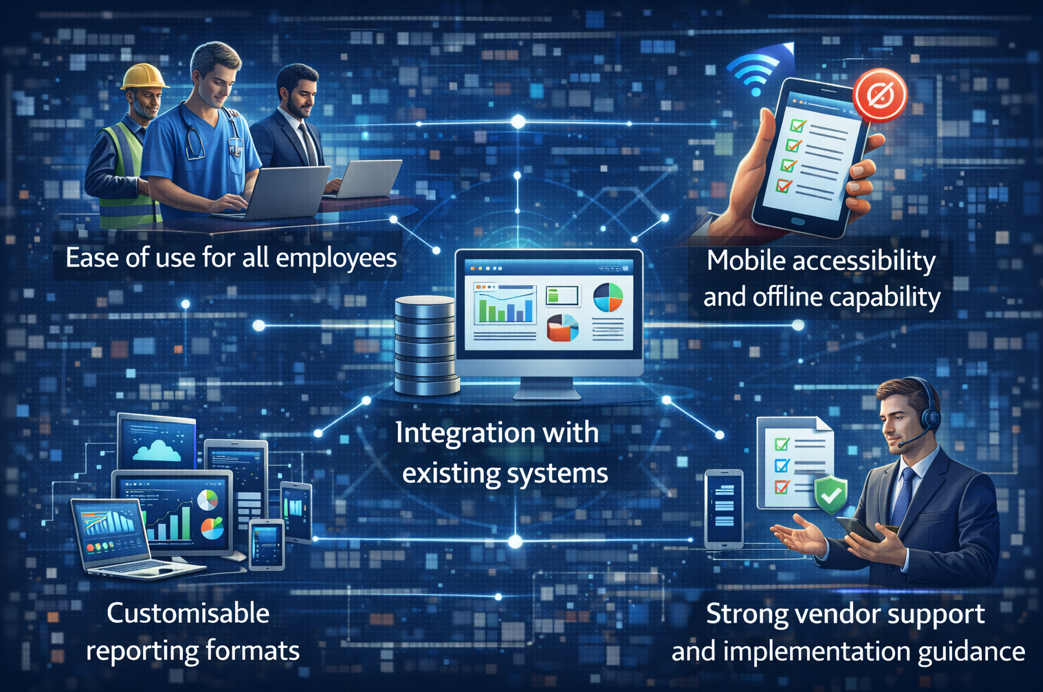
Selecting the right AI solution requires careful consideration. Important criteria include:
Ease of use for all employees
The tool should be intuitive for frontline workers, supervisors, and managers alike. A steep learning curve reduces adoption and limits impact.
Mobile accessibility and offline capability
Real-time reporting often occurs in environments without reliable internet connectivity. Offline functionality ensures no data is lost.
Integration with existing systems
Your AI safety reporting tool should connect with risk registers, incident management systems, and audit platforms to support a seamless safety ecosystem.
Customisable reporting formats
Organisations vary in how they categorise hazards and risks. A flexible tool that allows custom fields and workflows ensures alignment with organisational processes.
Strong vendor support and implementation guidance
Implementing an AI safety reporting tool is a change initiative. Look for vendors who provide training, onboarding support, and ongoing assistance.
Implementation best practices

Successful deployment of an AI safety reporting tool involves more than just technology. Leaders should consider:
Clear communication and training
Employees need to understand why the tool is being introduced, how it benefits them, and how to use it effectively.
Leadership endorsement
Visible support from senior leaders and safety champions reinforces the importance of reporting and encourages engagement.
Feedback loops
Providing feedback to reporters, such as updates on actions taken or alerts when hazards are resolved—reinforces participation and trust.
Continuous improvement
Use data from the AI tool to review processes, refine controls, and update safety strategies regularly.
Challenges and considerations
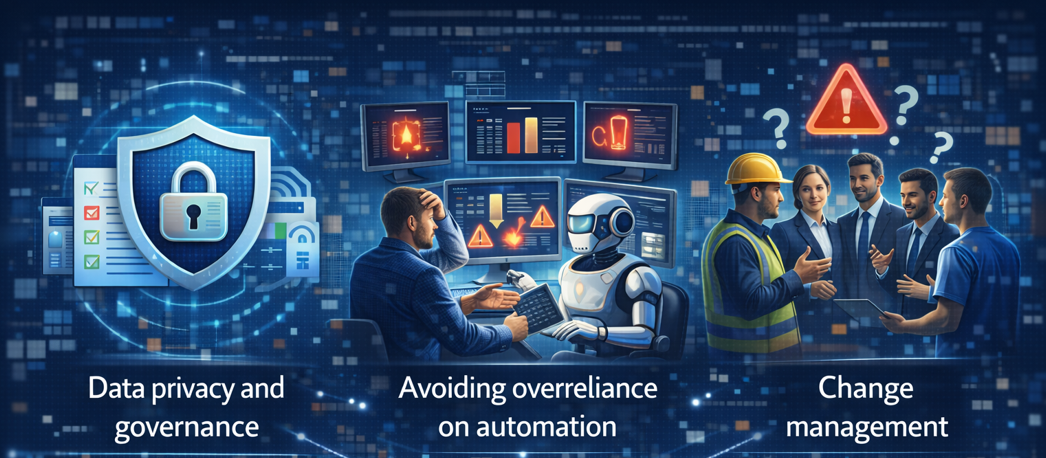
While AI safety reporting tools offer significant advantages, organisations should be aware of potential challenges:
Data privacy and governance
Handling safety data responsibly requires clear policies to protect confidentiality and comply with data protection laws.
Avoiding overreliance on automation
AI should enhance human judgement, not replace it. Organisations must ensure that final decisions are informed by both data and context.
Change management
Introducing AI tools changes workflows and roles. Successful adoption hinges on effective change management and stakeholder engagement.
The future of safety reporting
AI safety reporting tools are just the beginning of a broader transformation in workplace safety. As AI models grow more sophisticated, future capabilities may include:
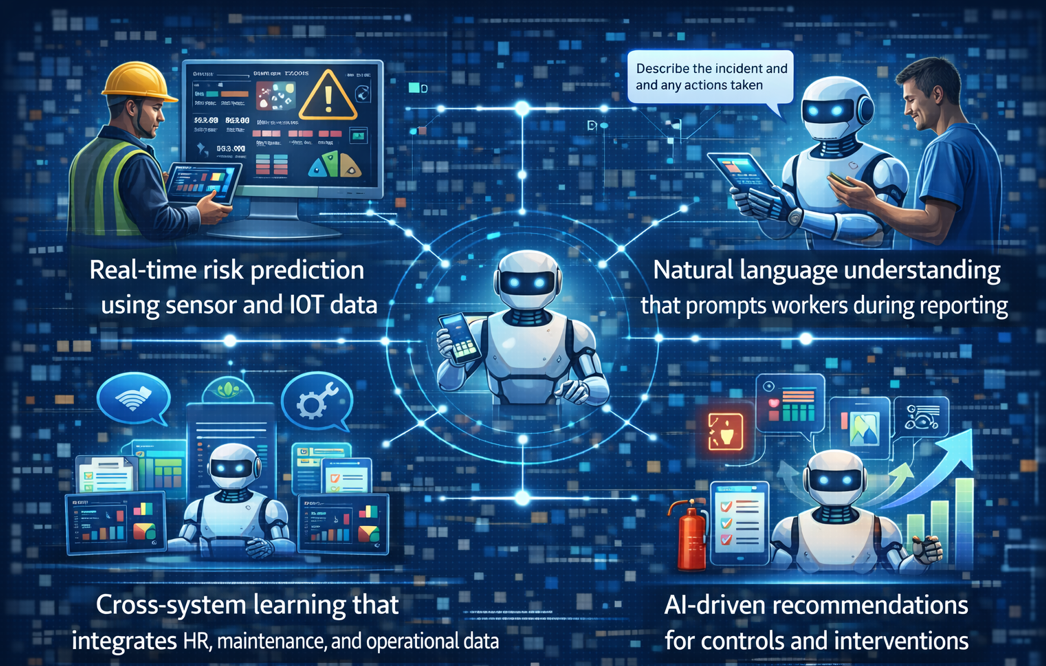
The future points toward systems that don’t just record safety issues, but help organisations anticipate, learn, and prevent them more effectively.
Conclusion
In an environment where risk is constant and complexity is increasing, organisations cannot rely on manual reporting systems alone. An AI safety reporting tool accelerates hazard identification, enhances compliance, strengthens safety culture, and unlocks actionable insights from data.
By leveraging artificial intelligence, organisations transform safety reporting from a paperwork exercise into a strategic capability. Whether you are improving hazard visibility, reducing incident rates, or building a more engaged workforce, AI safety reporting tools are a powerful asset for modern safety management.
Embracing this technology positions organisations to not only meet regulatory expectations but to lead in proactive risk prevention and organisational resilience.
Disclaimer
At SiteSherpa, we follow the Model Work Health and Safety (WHS) Act, along with other relevant legislation, regulations, and codes of practice applicable to Australia, to ensure our content reflects industry best practices. Our resources are designed to provide helpful guidance, but they don’t replace professional advice or legal requirements. We do our best to share accurate and reliable information, but businesses should always check their specific WHS obligations to stay compliant and keep their workplaces safe.
Related Content
.png)
.png)
.png)
.png)
.png)
.png)
.png)
.png)
.png)

Join Our Newsletter
Receive expert insights, safety updates, and the latest updates in our services and apps. Stay ahead of workplace safety, compliance, and operational efficiency—delivered straight to your inbox.
By clicking Subscribe you're confirming that you agree with our Terms and Conditions.