
Safety
Safeguarding Every Household: The Vital Role of Home Safety Audit Consultants
SiteSherpa · 2026-01-05 · 16 min read
In an era where our homes double as workplaces, schools, and sanctuaries, safety within the domestic environment has never been more important. Whether you live in a modern apartment, a suburban townhouse, or a rural cottage, the risks that can compromise home safety are both varied and often underestimated. From faulty wiring and poor ventilation to chemical storage and trip hazards, the smallest oversight can lead to serious incidents. This is where the expertise of home safety audit consultants becomes indispensable.
These professionals combine technical knowledge, practical assessment skills, and compliance understanding to identify potential hazards and develop tailored safety solutions. For homeowners, landlords, and property managers alike, engaging with a consultant is not just about preventing accidents, it is about creating a living environment that promotes wellbeing, security, and long-term sustainability.
Understanding What a Home Safety Audit Entails
A home safety audit is a structured evaluation of a property’s potential hazards, conducted by trained specialists. It covers a broad spectrum of physical, environmental, and behavioural factors that contribute to safety risks.
The process begins with a comprehensive on-site inspection. Consultants examine each area of the home from bedrooms to bathrooms, electrical systems to outdoor spaces, identifying unsafe conditions and areas of non-compliance with relevant safety standards
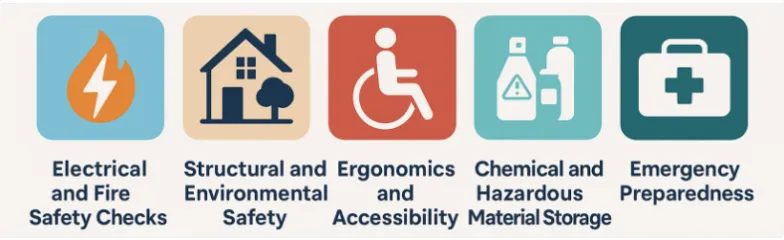
Key components of a typical audit include:
- Electrical and Fire Safety Checks – Assessing the age and condition of wiring, outlets, and electrical panels. Smoke alarms, carbon monoxide detectors, and fire extinguishers are verified for correct installation, positioning, and functionality.
- Structural and Environmental Safety – Examining the stability of staircases, flooring, and handrails, as well as assessing indoor air quality and ventilation to detect mould, asbestos, or carbon monoxide risks.
- Ergonomics and Accessibility – Ensuring the home environment accommodates all occupants, especially elderly residents or individuals with limited mobility. Consultants assess lighting, pathways, and bathroom setups for slip or fall risks.
- Chemical and Hazardous Material Storage – Reviewing household chemicals, fuels, and cleaning products for proper labelling, containment, and segregation from food or personal items.
- Emergency Preparedness – Evaluating fire escape plans, emergency lighting, and first-aid kit availability, and advising on response actions during incidents.
A well executed audit doesn’t end with hazard identification. The consultant provides a detailed written report outlining findings, photographs, risk ratings, and prioritised recommendations. This enables homeowners to address high risk items immediately and plan long term improvements over time.
Why Home Safety Matters More Than Ever
According to Australian injury surveillance data, over half of all unintentional injuries occur in the home. Falls, burns, and poisoning are among the most frequent causes of hospital admissions. Children and the elderly are especially vulnerable, yet many of these incidents are entirely preventable with proper awareness and control measures.
Modern households have also become increasingly complex. Smart devices, home automation systems, and renewable energy installations such as solar panels and batteries add layers of electrical and fire risk. Similarly, home renovations, do-it-yourself repairs, and new appliances introduce additional hazards when not properly installed or maintained.
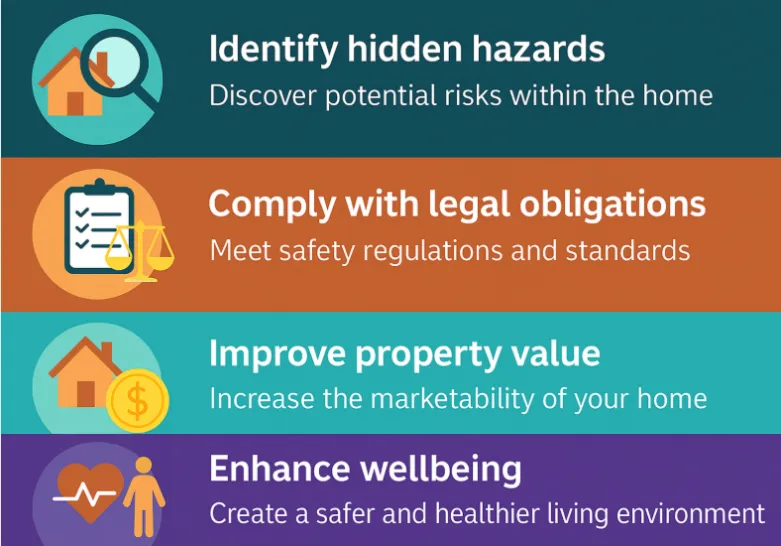
A proactive safety audit addresses these challenges by helping residents:
- Identify hidden hazards before they result in injury or property damage.
- Comply with legal obligations, particularly for rental properties and short term accommodation.
- Improve property value by demonstrating a commitment to safety and maintenance.
- Enhance wellbeing by reducing stress and creating peace of mind for all occupants.
The Role of Home Safety Audit Consultants
Home safety audit consultants play a multifaceted role that extends far beyond hazard detection. Their responsibilities include education, compliance support, and continuous improvement of household safety practices.
1. Technical Assessment and Hazard Identification
Consultants use a combination of visual inspections, testing equipment, and standards-based checklists to evaluate the safety of electrical systems, heating, plumbing, and structural elements. They often hold qualifications in occupational health and safety, building inspection, or risk management, ensuring their evaluations align with national codes and best practice standards.
2. Compliance Guidance
For landlords and property managers, consultants ensure alignment with tenancy legislation and safety codes. In many jurisdictions, landlords must provide smoke alarms, secure pool fencing, gas safety certificates, and adequate electrical systems. A consultant verifies these requirements and helps maintain proper documentation.
3. Tailored Recommendations
Every home is unique. Consultants prioritise risks based on likelihood and consequence, offering practical recommendations tailored to the household’s layout, budget, and lifestyle. This could involve upgrading lighting, installing handrails, reorganising storage, or implementing child safety locks.
4. Education and Behavioural Change
Beyond identifying hazards, consultants empower residents through education. They provide insights into daily habits like safe cooking practices, proper use of extension cords, or appropriate footwear indoors, that significantly reduce risks. This education transforms safety from a compliance task into a sustainable household culture.
Common Risks Uncovered During a Home Safety Audit
Even the most conscientious homeowners often overlook hidden dangers. Some of the most frequently discovered risks include:
- Loose or overloaded power boards that can lead to electrical fires.
- Absence of residual current devices (RCDs) in older homes, increasing electrocution risk.
- Blocked or cluttered exit paths, which impede evacuation during emergencies.
- Improper storage of cleaning chemicals or pesticides, particularly in households with children or pets.
- Inadequate lighting on staircases, external steps, or driveways, contributing to trips and falls.
- Unstable furniture that could tip over, especially in children’s rooms.
- Non-functional smoke detectors due to expired batteries or outdated units.
Each of these issues might seem minor in isolation but collectively represents significant risk exposure. Engaging a consultant ensures that these vulnerabilities are addressed systematically and efficiently.
The Process: What to Expect During a Home Safety Audit
A professional safety audit is not intrusive but rather a collaborative exercise between the consultant and homeowner.
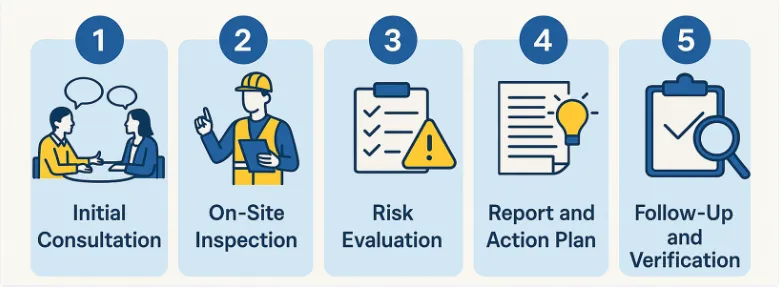
Typically, the process follows these stages:
1. Initial Consultation
The consultant begins by gathering background information: the property type, age, occupancy patterns, and any known safety concerns. They may review existing maintenance records, previous inspections, or renovation history.
2. On-Site Inspection
During the site visit, the consultant walks through each area of the home, identifying hazards and assessing controls. They may use moisture meters, electrical testers, or infrared thermography to detect hidden problems.
3. Risk Evaluation
Each finding is classified according to risk severity: high, medium, or low, based on likelihood and potential harm. The consultant prioritises recommendations accordingly, ensuring critical issues receive immediate attention.
4. Report and Action Plan
A comprehensive written report follows, often accompanied by photographs and diagrams. The action plan provides clear instructions, cost effective recommendations, and timeframes for remediation.
5. Follow Up and Verification
After corrective actions are implemented, a re-inspection or verification check can confirm that issues have been resolved. This process promotes accountability and ongoing improvement.
Home Safety for Vulnerable Groups
Home safety is especially vital for certain demographics, including the elderly, people with disabilities, and families with young children. Falls remain one of the leading causes of injury among older Australians, and many of these incidents occur on stairs, in bathrooms, or during routine household activities.
A consultant specialising in aged care home safety may recommend:
- Grab rails and non-slip flooring in bathrooms.
- Lowered light switches and widened doorways for accessibility.
- Improved lighting and contrasting colours for those with vision impairments.
- Removal of trip hazards like loose rugs or uneven floor surfaces.
For households with children, consultants focus on child-proofing strategies, including securing furniture, covering electrical outlets, and locking chemical storage areas.
The Legal and Insurance Perspective
While home safety is a moral and personal responsibility, it also carries legal and financial implications. Insurance providers increasingly require evidence of safety measures before approving claims related to fire, electrical faults, or structural failure. Similarly, landlords and property managers are legally obligated to provide safe living environments under tenancy laws.
A home safety audit not only satisfies these obligations but also serves as documentary proof that proactive steps were taken to manage risk. This evidence can prove invaluable during insurance claims or legal disputes following an incident.
Integrating Modern Technology into Home Safety
Today’s consultants are embracing technology to make home safety assessments more accurate and accessible. Drones, smart sensors, and digital reporting tools enhance visibility and streamline communication between consultants and clients.
Examples of Modern Tools Used by Consultants
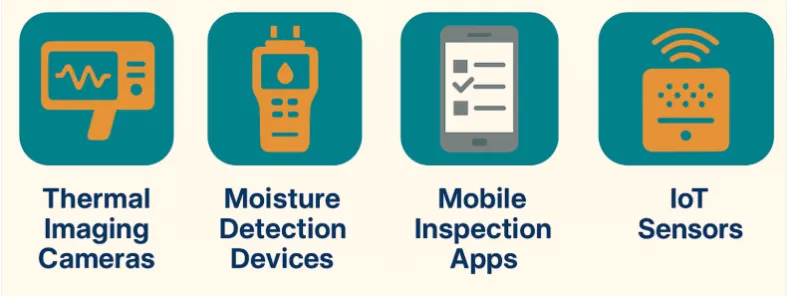
- Thermal Imaging Cameras – Detecting electrical overheating and insulation gaps.
- Moisture Detection Devices – Identifying leaks and potential mould growth.
- Mobile Inspection Apps – Generating instant digital reports with photographic evidence and recommendations.
- IoT Sensors – Providing real-time monitoring for smoke, water leaks, and air quality.
By leveraging these innovations, consultants can provide faster, more reliable insights, helping homeowners take timely corrective action.
Sustainability and Energy Safety Considerations
Home safety audits increasingly include sustainability and energy efficiency components. Poorly maintained systems not only pose safety risks but also waste energy and money. For instance, damaged seals around windows may lead to both energy loss and mould accumulation due to condensation.
Consultants can suggest:
- Upgrading outdated wiring to support energy efficient appliances.
- Installing smoke alarms powered by long-life lithium batteries.
- Using low VOC (volatile organic compound) paints and cleaning agents for improved indoor air quality.
- Regular servicing of solar inverters and electrical connections to prevent overheating.
These recommendations not only reduce environmental impact but also contribute to healthier, more sustainable living conditions.
Selecting the Right Home Safety Audit Consultant
Choosing the right consultant is crucial to achieving effective outcomes.
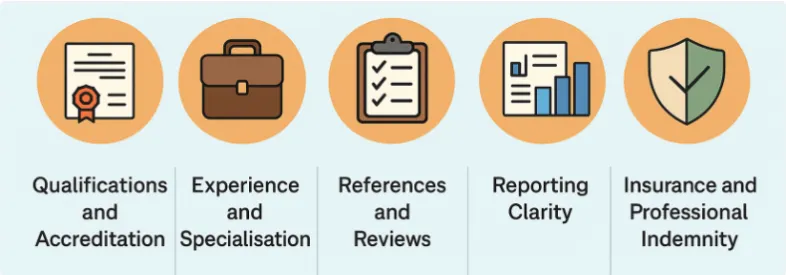
When selecting a professional, consider:
- Qualifications and Accreditation – Look for consultants with recognised credentials in occupational health and safety, building inspection, or risk management.
- Experience and Specialisation – A consultant with experience in residential, aged-care, or disability housing may be more attuned to specific risk factors.
- References and Reviews – Seek feedback from previous clients to verify reliability and professionalism.
- Reporting Clarity – Ensure the consultant provides clear, actionable reports rather than generic checklists.
- Insurance and Professional Indemnity – Confirm the consultant holds appropriate insurance coverage for their services.
Ultimately, the goal is to engage a consultant who communicates transparently, listens to your concerns, and tailors solutions to your unique home environment.
Building a Culture of Continuous Home Safety
A single audit is not the end of the journey. Safety is an ongoing commitment that evolves alongside household changes, new occupants, pets, renovations, or ageing infrastructure.
Homeowners should aim to:
- Conduct annual safety reviews, particularly after significant changes to the property.
- Schedule regular maintenance for electrical systems, heating, and fire safety equipment.
- Encourage family involvement in maintaining safety awareness and emergency preparedness.
- Maintain an up-to-date safety file with inspection reports, equipment warranties, and emergency contacts.
Embedding these practices transforms safety into an everyday habit rather than a one-off exercise.
The Broader Community Impact
Beyond individual households, the work of home safety audit consultants contributes to broader community resilience. By reducing domestic accidents, consultants help ease the burden on healthcare systems, emergency services, and insurers. Neighbourhoods that prioritise home safety also experience fewer property losses, improved wellbeing, and stronger social trust.
Community organisations, councils, and housing providers often collaborate with consultants to deliver education campaigns, public workshops, or subsidised safety audits for vulnerable residents. Such initiatives amplify awareness and encourage shared responsibility for safety across society.
Conclusion
Home should be the safest place in the world but that safety is never guaranteed without deliberate care and professional insight. Engaging qualified home safety audit consultants is an investment not only in property protection but in the health, comfort, and security of everyone who lives within its walls.
From identifying hidden electrical hazards to ensuring compliance with safety standards, these consultants provide the expertise and guidance required to transform every home into a secure, resilient, and comfortable environment.
In a rapidly changing world where household risks are more complex than ever, taking proactive steps to safeguard your space is no longer optional, it is essential. Whether you are a homeowner, landlord, or property manager, now is the time to prioritise safety through professional home safety auditing. The peace of mind that follows is priceless.
Stay in the loop.
WHS news, platform updates, and the occasional rant. No spam.
By subscribing you agree to our Terms.