Digital safety forms Australia

Safety
Digital Safety Forms: Transforming Workplace Safety Through Modern, Mobile-First Solutions
How digital safety forms are revolutionising compliance, efficiency, and real-time risk management.
Introduction: The New Era of Safety Compliance
Across Australia, workplace safety expectations have shifted dramatically. Whether an organisation operates in construction, transport, manufacturing, local government, aged care, or logistics, the pressure to maintain consistent, transparent, and legally compliant safety practices has never been greater. Businesses are held to high regulatory standards, workers demand better protection, and regulators expect real-time evidence of safety due diligence. Traditional paper-based reporting systems simply cannot meet these expectations.
This is where digital safety forms solutions that have stepped in as a game-changing force in Australia.
Digital safety platforms allow organisations to capture hazards, risks, inspections, incidents, and corrective actions directly from mobile devices. They enable faster reporting, instant visibility, real-time dashboards, and automated record-keeping all essential components in modern Work Health and Safety (WHS) environments. As organisations become more distributed, more mobile, and more digitally interconnected, the shift from paperwork to digital workflows isn’t just a “nice to have”, it is now a fundamental requirement for operational excellence and compliance assurance.
This article explores the importance of digital safety solutions, how they work, why Australian organisations are shifting rapidly to these platforms, and what to look for when choosing a provider. Most importantly, it highlights the role of digital safety forms in Australia in supporting safe, productive, and compliant workplaces across every industry nationally.
Why Safety Forms Matter in the First Place
Safety forms are the backbone of WHS compliance. They create the documented trail that demonstrates an organisation’s ability to identify hazards, manage risks, investigate incidents, and take corrective action. Whether mandated by regulations, standards, or internal policies, safety forms serve three critical functions:
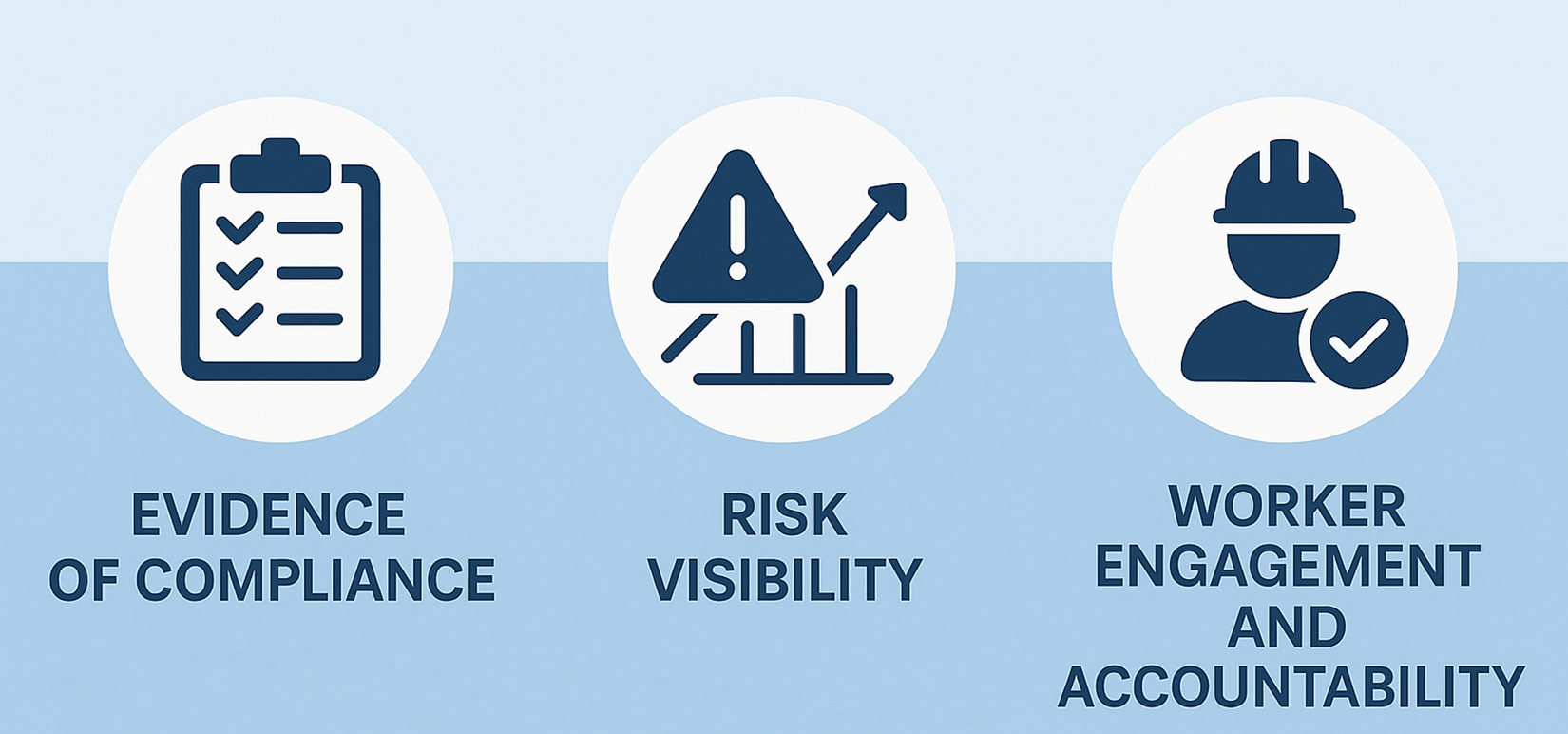
1. Evidence of compliance
Regulators such as SafeWork Australia and state-based authorities rely on documented evidence to confirm that a business is meeting its WHS duties. Without records, compliance cannot be proven.
2. Risk visibility
Forms provide the raw information needed to identify trends, prioritise risks, and prevent incidents before they occur.
3. Worker engagement and accountability
Well-designed forms empower workers to participate in safety processes and give leaders the data they need to act.
However, paper-based forms and even static PDFs have significant limitations:
- They create delays in reporting.
- They are often incomplete or misplaced.
- They cannot support real-time decision-making.
- They require manual data entry, which is prone to error.
- They make auditing difficult and time-consuming.
This has driven the technological shift to digital safety forms in Australian platforms that deliver instant reporting, accuracy, automation, and total traceability.
What Digital Safety Forms in Australia Actually Are
In the simplest sense, digital safety forms are electronic versions of WHS documents accessible through
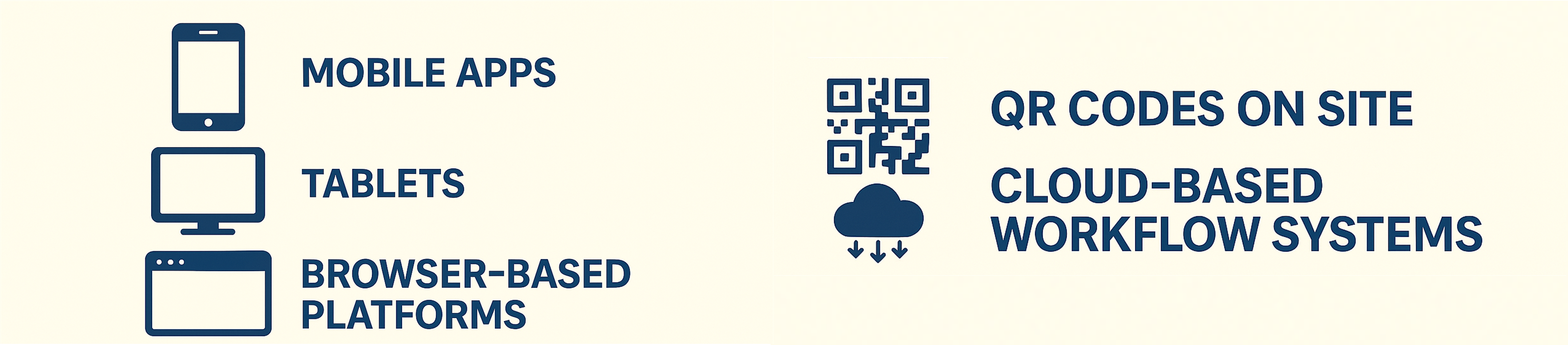
But modern digital safety form systems are far more advanced than basic digitised paper forms. They integrate automation, AI, analytics, and real-time reporting.
Examples include:
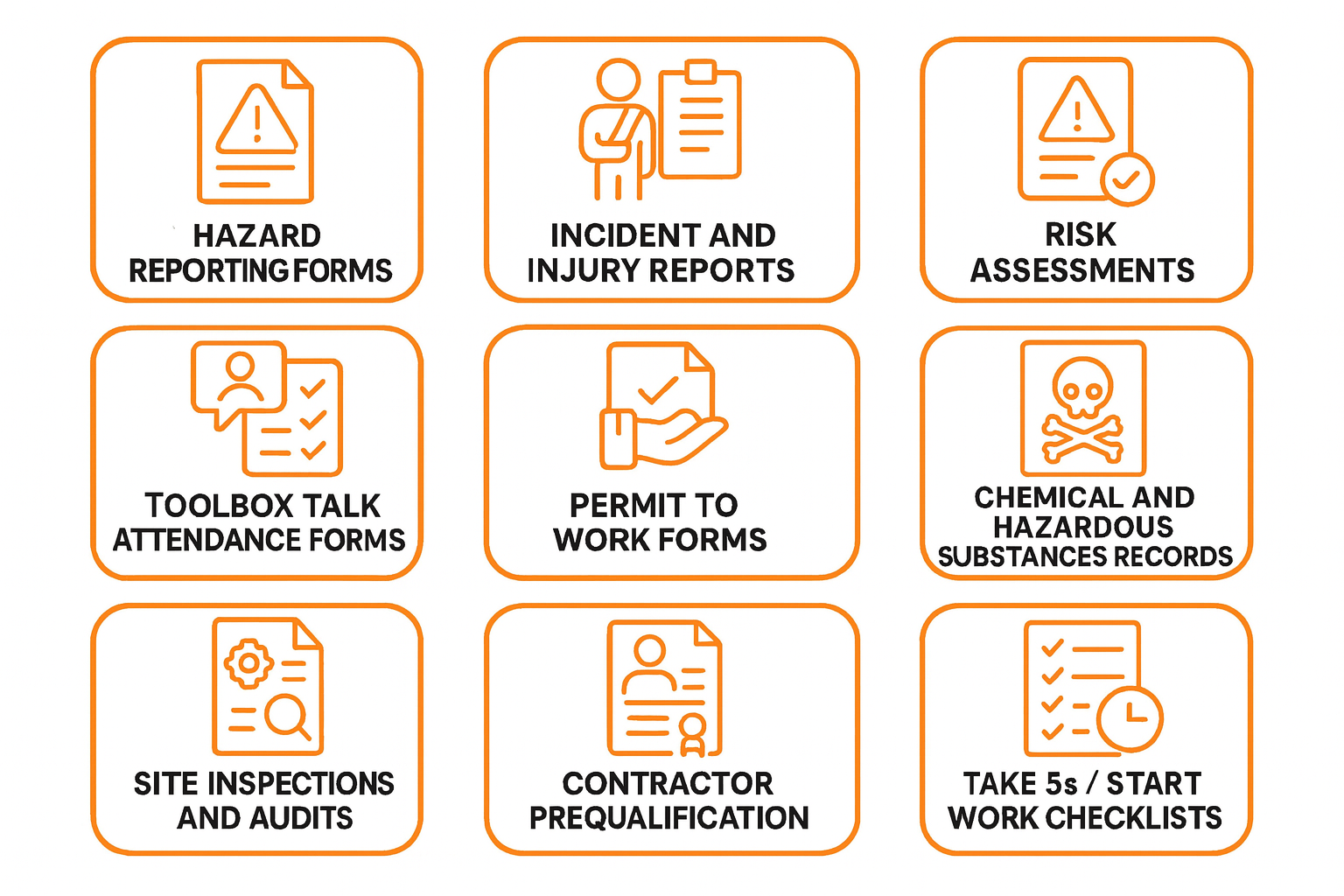
Instead of filling out physical paperwork or outdated PDF templates, workers can complete forms through user-friendly digital workflows that guide them step-by-step. These digital pathways reduce errors, improve completeness, and enable instant submission.
With systems like these, the advantages become clear: reporting is faster, accuracy improves, compliance increases, and managers gain immediate insight into risks.
Why Australian Businesses Are Moving to Digital Safety Solutions
Australian organisations across all sectors are increasingly adopting digital safety technologies due to several key drivers:
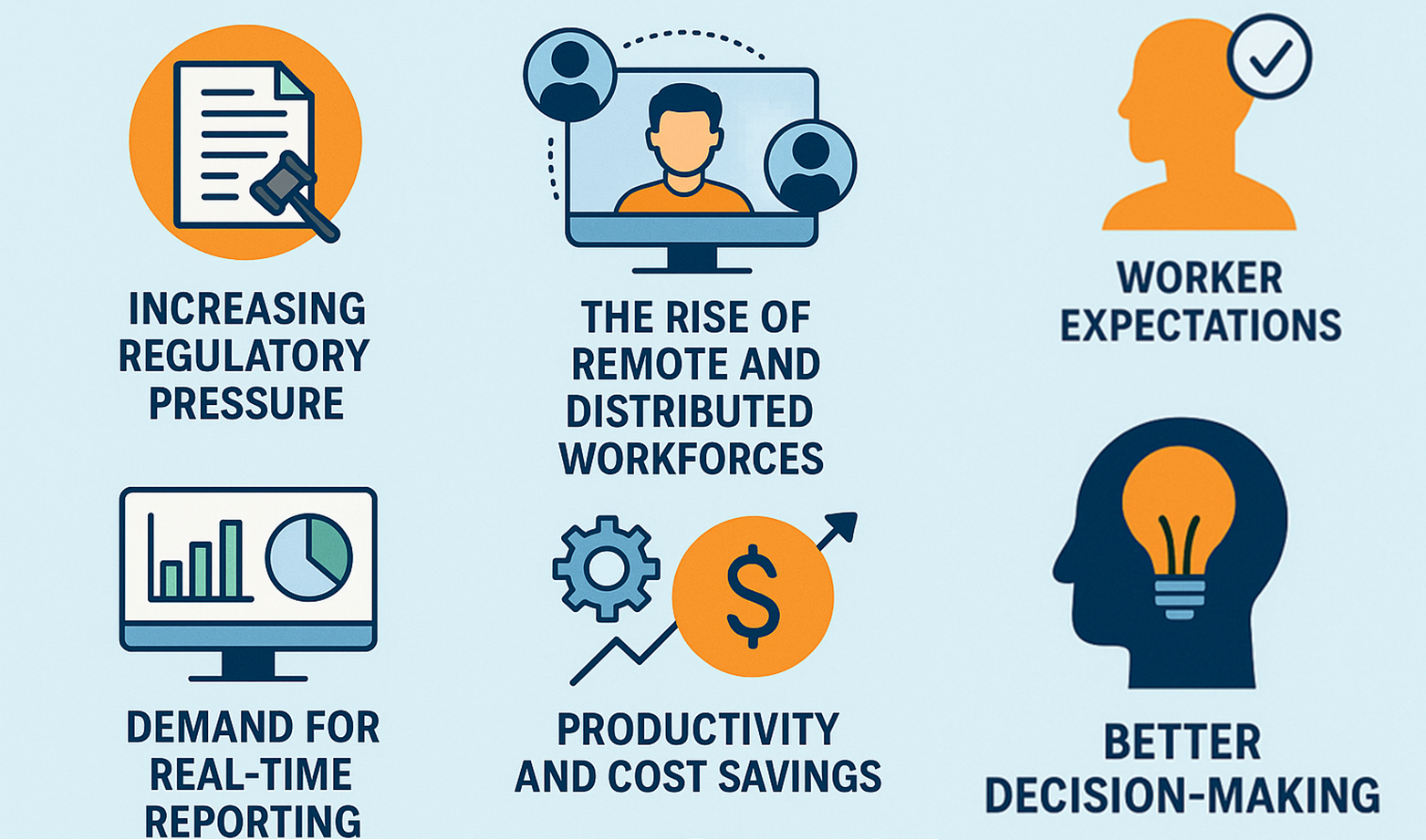
1. Increasing regulatory pressure
Regulators expect immediate access to safety evidence. Long gone are the days when organisations could spend days retrieving paperwork.
Digital systems allow instant retrieval, sorting, filtering, and presenting of records.
2. The rise of remote and distributed workforces
Australian businesses often operate across:
- multiple sites
- subcontractor networks
- regional and remote locations
- outsourced service arrangements
Digital safety systems ensure consistency across every site and contractor team.
3. Demand for real-time reporting
Incidents and hazards require prompt escalation. Digital systems can instantly flag priorities and escalate serious issues within seconds.
4. Productivity and cost savings
Paper-based reporting creates inefficiency:
- manual data entry
- double-handling
- printing
- storing
- lost forms
- administrative overhead
Digital workflows eliminate these costs.
5. Worker expectations
Younger workers expect mobile-first systems. Paper forms are now seen as outdated and cumbersome.
6. Better decision-making
With immediate access to dashboards and analytics, managers can monitor trends, track performance, and identify risks proactively.
This explains why digital safety forms for Australian systems have become indispensable tools for businesses aiming to modernise their safety processes while maintaining compliance integrity.
How Digital Safety Forms Improve WHS Performance
Digital systems offer advantages that paper forms cannot match. Below are the key ways they elevate WHS performance:
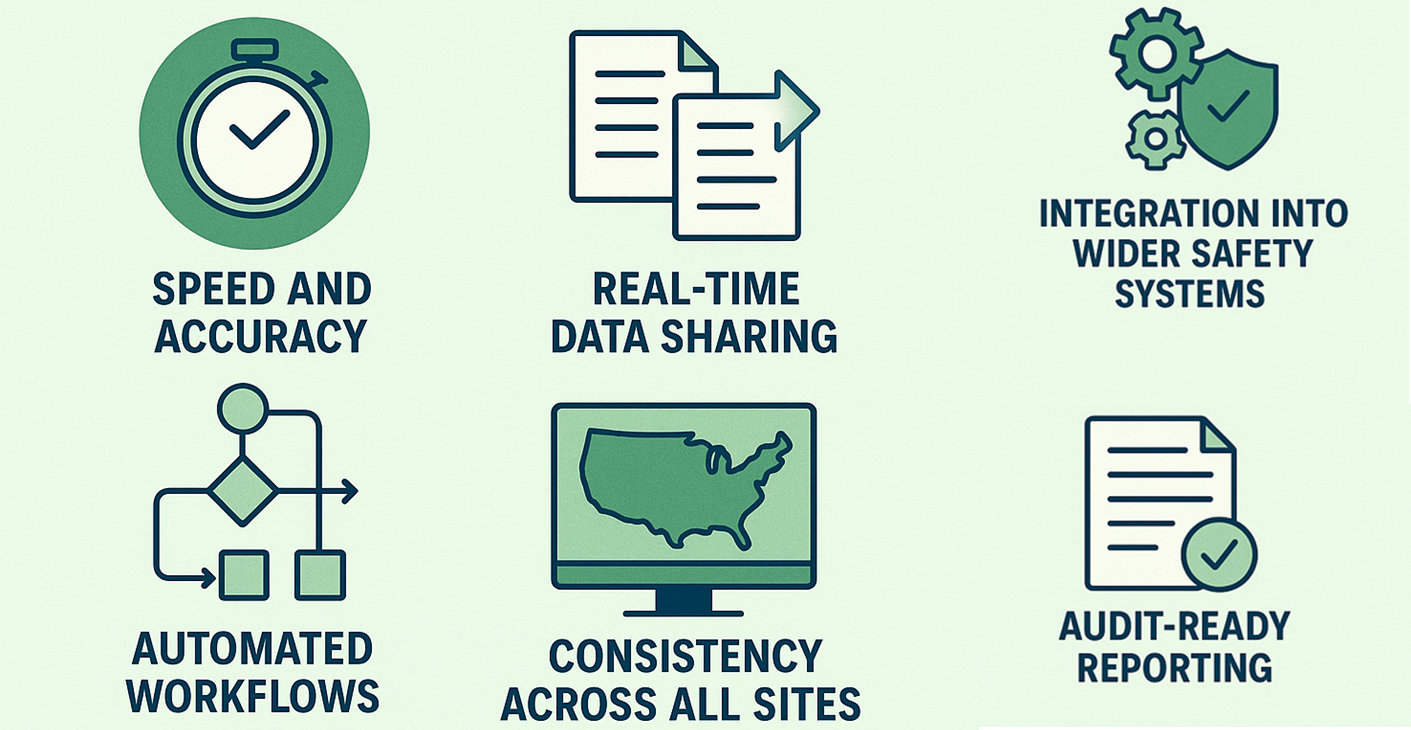
1. Speed and accuracy
Digital forms automatically validate inputs, reducing errors and ensuring completeness.
2. Real-time data sharing
Information is instantly accessible to supervisors, safety teams, and leadership.
3. Automated workflows
For example:
- A hazard report can automatically create a corrective action.
- An incident report can notify management.
- A training form can update a competency register.
4. Consistency across all sites
Every worker, contractor, or partner uses the same form, format, and workflow.
5. Integration into wider safety systems
Digital forms link into:
- Risk registers
- Document control
- Training systems
- Contractor portals
- Asset management systems
6. Audit-ready reporting
Every submission creates instant digital evidence that is timestamped, attributed, and unalterable.
Industries in Australia Most Impacted by Digital Safety Transformation
The adoption of digital safety systems is increasing across all industries, but several sectors have seen particularly strong uptake:
Construction
High-risk environments demand rapid reporting, consistent forms, and efficient contractor management.
Aged Care and Healthcare
Digital forms help meet strict compliance requirements including incident management, medication errors, manual handling reports, and risk assessments.
Logistics and Warehousing
These industries rely on rapid hazard reporting, equipment pre-starts, and training verification.
Manufacturing
Risk assessments, chemical reporting, and machinery inspections become much easier with digital workflows.
Local Government
Councils manage diverse assets, facilities, and contractor networks; digital safety forms simplify WHS oversight.
Mining and Resources
Real-time safety reporting is essential for high-risk, remote, and regulated operations.
Retail and Corporate Environments
Incident reporting, ergonomic assessments, and maintenance logs benefit from digital systems.
Key Features to Look for in a Digital Safety Forms Platform
When selecting a system, Australian organisations should look for the following capabilities:
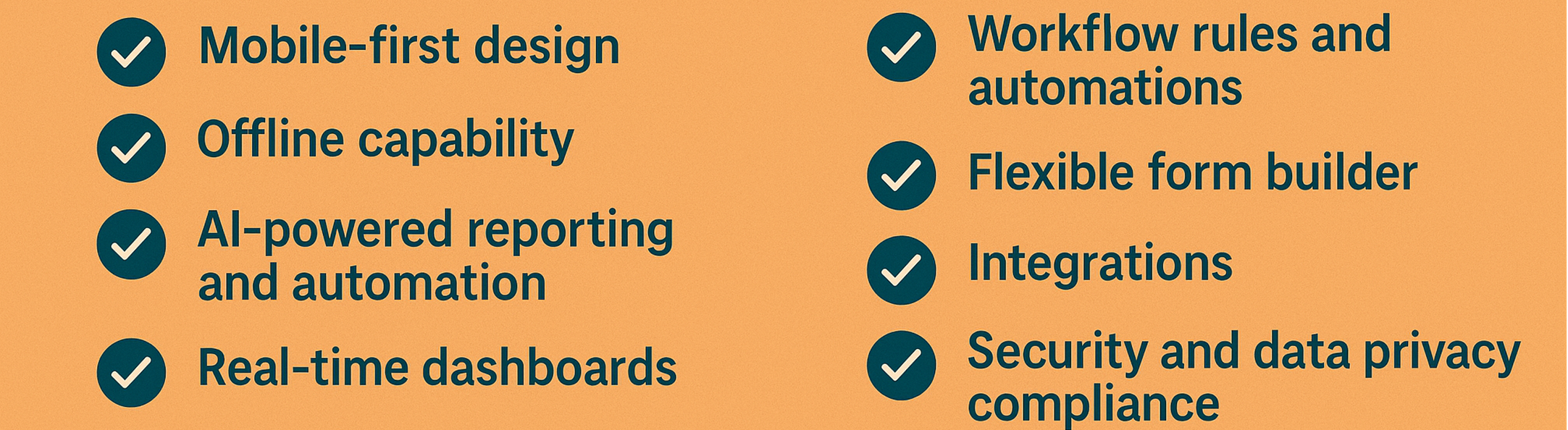
✔ Mobile-first design
Workers must be able to submit forms from the field, at any time.
✔ Offline capability
Critical in remote or low-coverage environments.
✔ AI-powered reporting and automation
Modern systems can automatically populate fields, detect hazards from photos, and generate reports.
✔ Real-time dashboards
Essential for supervisors and managers.
✔ Workflow rules and automations
Such as approvals, escalations, and corrective action assignment.
✔ Flexible form builder
Businesses should be able to create custom forms without coding.
✔ Integrations
Including:
- HR systems
- Asset management
- Contractor portals
- Training platforms
- Document control
✔ Security and data privacy compliance
Especially under Australian WHS laws and data protection requirements.
The Future of Digital Safety Forms in Australia
The next stage of evolution is already underway, AI-enabled safety reporting. AI will:
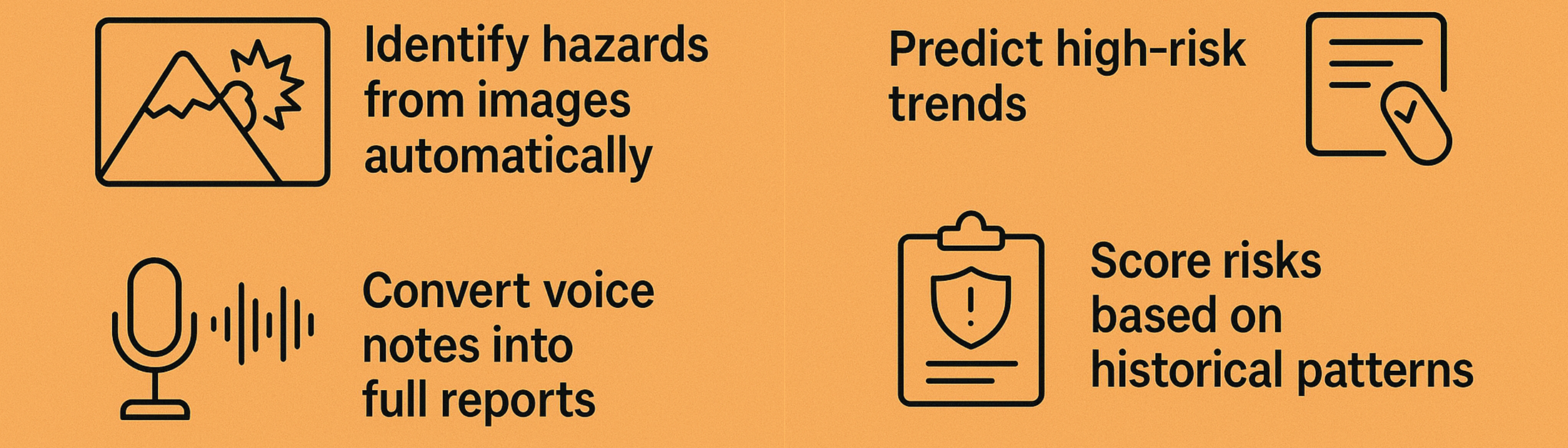
Australia is quickly becoming a leader in digital WHS transformation, and digital safety forms in Australian systems will continue to play a central role in advancing safer workplaces, more efficient compliance processes, and stronger risk culture.
Conclusion
The shift to digital safety platforms is transforming how Australian organisations manage risk, compliance, and workplace safety. Paper forms are slow, unreliable, and insufficient for modern WHS expectations. Digital systems offer speed, accuracy, transparency, and real-time insight, powerful advantages that are now essential in every industry.
By empowering workers with mobile-first reporting, generating instant evidence of compliance, and providing clear visibility across every site and team, digital safety solutions are redefining what good safety management looks like.
Investing in a digital safety forms in Australian systems is no longer optional, it is the new foundation of WHS excellence.
.png)
Disclaimer
At SiteSherpa, we follow the Model Work Health and Safety (WHS) Act, along with other relevant legislation, regulations, and codes of practice applicable to Australia, to ensure our content reflects industry best practices. Our resources are designed to provide helpful guidance, but they don’t replace professional advice or legal requirements. We do our best to share accurate and reliable information, but businesses should always check their specific WHS obligations to stay compliant and keep their workplaces safe.
Related Content
.png)
.png)
.png)
.png)
.png)
.png)
.png)
.png)
.png)

Join Our Newsletter
Receive expert insights, safety updates, and the latest updates in our services and apps. Stay ahead of workplace safety, compliance, and operational efficiency—delivered straight to your inbox.
By clicking Subscribe you're confirming that you agree with our Terms and Conditions.