Workplace Safety Software Australia

Workplace
The evolution of workplace safety management in Australia
How digital systems are reshaping compliance, culture, and real-world risk management across Australian workplaces
Australia has long been recognised for having some of the most comprehensive workplace health and safety laws in the world. With strong legislative frameworks at both Commonwealth and state levels, supported by regulators such as Safe Work Australia and state based authorities, the expectation on organisations is clear, protect workers from harm so far as is reasonably practicable. Yet despite this strong foundation, incidents, injuries, and near misses continue to occur across construction, aged care, logistics, manufacturing, education, retail, health care, and government sectors.
The challenge facing many organisations is not a lack of intent. Most leaders genuinely want to keep their people safe. The real difficulty lies in managing safety consistently across complex, fast moving, and often decentralised operations. Multiple sites, diverse workforces, contractors, changing legislation, and increasing documentation requirements all add layers of complexity. Traditional paper based systems and static spreadsheets struggle to keep up with this reality.
This is where modern digital solutions have emerged as a critical enabler. Workplace safety software in Australia has become an essential tool for organisations seeking to move beyond reactive compliance and towards proactive, data driven safety management. Rather than simply storing documents, modern systems integrate people, processes, and information into a single source of truth that supports daily decision making.
This article explores what workplace safety software really is, why it matters in the Australian context, how it supports compliance and culture, and what organisations should look for when selecting the right solution for their operations.
What is workplace safety software
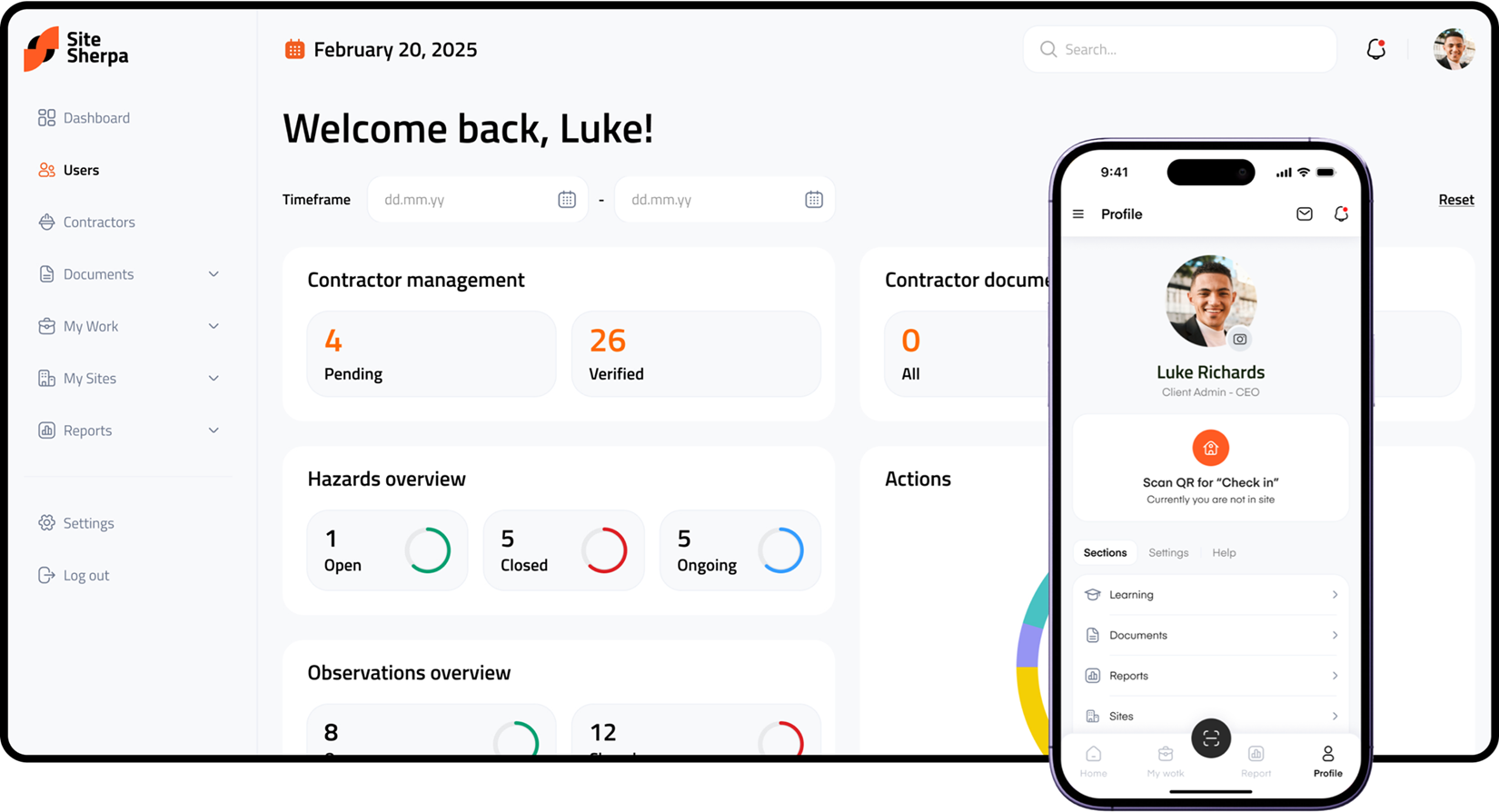
At its core, workplace safety software is a digital system designed to help organisations manage their health and safety obligations more effectively. It replaces or enhances manual processes by providing structured workflows, real time data capture, automated reporting, and centralised records.
Unlike basic document storage platforms, purpose built safety software supports the full safety management lifecycle. This includes hazard identification, risk assessment, incident reporting, corrective actions, audits and inspections, training and competency tracking, contractor management, and continuous improvement processes.
In the Australian environment, these systems are typically aligned with the Work Health and Safety Act, associated regulations, and relevant codes of practice. Many are also designed to support alignment with international standards such as ISO 45001 for occupational health and safety management systems.
Importantly, good safety software does not replace leadership or human judgement. Instead, it provides the structure and visibility needed to make informed decisions, identify trends early, and ensure nothing critical falls through the cracks.
Why digital safety systems matter more than ever

Workplaces today look very different to those of even a decade ago. Remote work, mobile workforces, subcontracting, and rapid project delivery have become normal across many industries. At the same time, regulatory expectations have increased, particularly around due diligence, consultation, psychosocial risks, and contractor management.
Paper based systems and disconnected tools create risk in this environment. Documents can be outdated, records may be incomplete, and critical information often sits in silos. When incidents occur or regulators request evidence, organisations can find themselves scrambling to piece together information.
Digital safety systems address these challenges by creating consistency and visibility. When hazards are reported in real time, actions are tracked to completion, and data is stored centrally, organisations gain confidence that their safety system is actually working, not just existing on paper.
This is one of the key reasons Workplace safety software in Australia has seen strong adoption across both large enterprises and small to medium businesses. The ability to demonstrate compliance while also improving day to day safety outcomes is no longer a nice to have, it is essential.
Supporting compliance with Australian legislation

Australia operates under a harmonised model of work health and safety laws, however practical application still varies across states and territories. Organisations operating nationally must understand and comply with jurisdiction specific requirements, while maintaining a consistent overarching safety system.
Well designed safety software helps bridge this gap. By embedding legislative requirements into workflows, checklists, and registers, systems can guide users through compliant processes without requiring them to interpret legislation themselves. This reduces reliance on individual knowledge and minimises the risk of non compliance due to human error.
Key compliance areas supported by safety software include:
• Hazard and risk management processes aligned with legislative duties
• Incident and injury reporting with appropriate notification thresholds
• Consultation and communication records
• Training, competency, and licence management
• Contractor prequalification and ongoing compliance checks
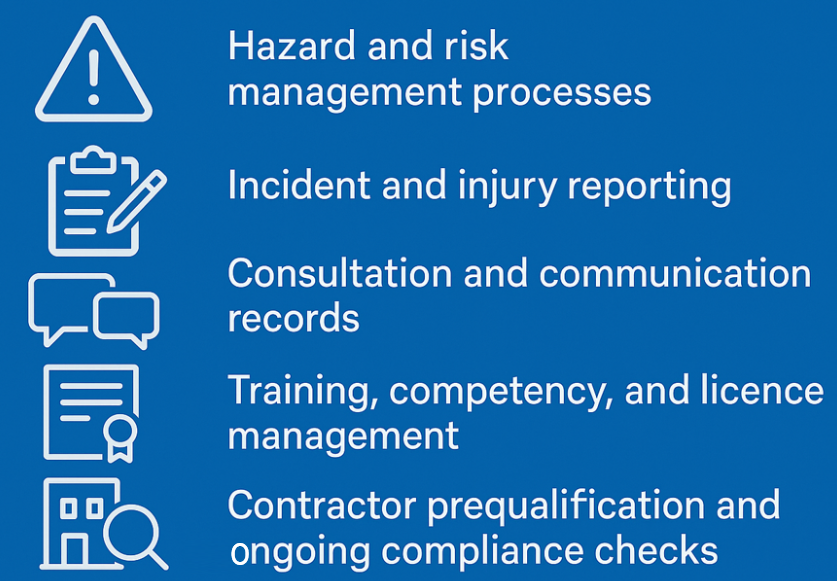
By centralising these elements, organisations can more easily demonstrate due diligence and respond to regulator inquiries with confidence.
Improving hazard identification and risk management
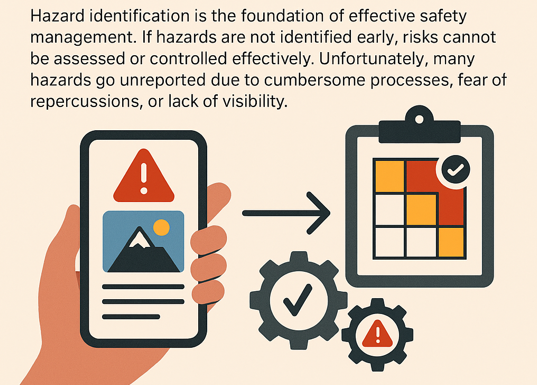
Digital safety platforms simplify this process by making hazard reporting accessible and intuitive. Mobile friendly forms, photo uploads, and simple categorisation allow workers to report hazards in the moment, rather than relying on memory or paperwork later.
Once hazards are logged, risk assessments can be standardised and linked directly to controls. This ensures consistency in how risks are evaluated across sites and teams. Over time, organisations can analyse hazard data to identify recurring issues, high risk activities, or emerging trends that require proactive intervention.
In this way, safety software shifts risk management from a static, annual exercise to a living process that reflects real world conditions.
Incident reporting and investigation in real time
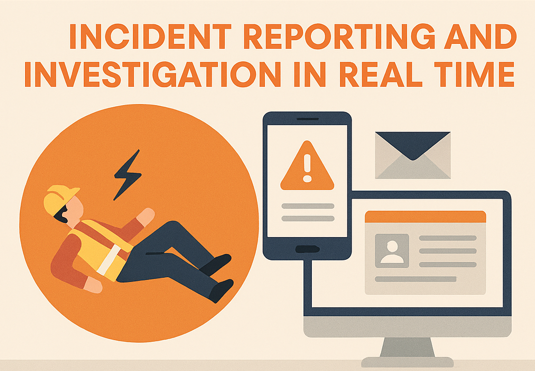
Incidents, injuries, and near misses provide critical learning opportunities. However, delayed or incomplete reporting undermines the ability to identify root causes and prevent recurrence. Traditional reporting methods often involve lengthy forms and manual data entry, discouraging timely submission.
Modern safety software transforms incident reporting into a simple, guided process. Workers can submit reports quickly using their phone or computer, attach photos or documents, and provide essential details while the event is still fresh. Automated notifications ensure relevant stakeholders are informed immediately.
Investigation workflows within the system support structured root cause analysis and corrective action planning. Actions can be assigned, tracked, and verified, creating accountability and ensuring lessons learned are actually implemented.
This closed loop approach is a key strength of Workplace safety software in Australia, particularly for organisations seeking to demonstrate continuous improvement and learning.
Audits, inspections, and assurance

Regular audits and inspections are critical for verifying that controls are in place and effective. Yet managing inspection schedules, checklists, findings, and follow up actions can be resource intensive without the right tools.
Safety software streamlines this process by providing digital inspection templates aligned with regulatory and organisational requirements. Inspections can be completed on site using mobile devices, even in offline environments. Findings are recorded instantly, with actions generated automatically where issues are identified.
Dashboards and reports provide real time visibility into inspection outcomes, overdue actions, and recurring non conformances. This allows leaders to focus attention where it is most needed and demonstrate proactive oversight.
For organisations subject to external audits or certification, having a digital audit trail significantly reduces preparation time and stress.
Training and competency management
Ensuring workers are trained and competent for their roles is a fundamental legal requirement. In practice, tracking training across multiple roles, sites, and contractors can quickly become complex. Expired licences, missed refreshers, and incomplete inductions create significant risk exposure.
Safety software addresses this by centralising training records and linking them to roles and tasks. Automated reminders alert managers and workers when training is due or has expired. Some systems integrate directly with learning platforms to provide seamless access to induction and refresher content.
By maintaining an up to date competency matrix, organisations can confidently allocate work, knowing individuals are qualified and authorised. This not only supports compliance but also builds trust and confidence within teams.
Contractor and supply chain safety

Contractors and suppliers play a critical role in many Australian industries. However, they also introduce additional safety risks if not properly managed. Regulators increasingly expect organisations to demonstrate effective contractor due diligence and ongoing monitoring.
Workplace safety software supports contractor management by providing structured prequalification processes, document collection, and risk classification. Insurances, licences, and safety documents can be uploaded, reviewed, and tracked centrally. Ongoing compliance checks ensure contractors remain compliant throughout the engagement.
By integrating contractors into the same safety system used by internal teams, organisations gain a holistic view of site safety and reduce the risk of gaps or inconsistencies.
Data driven decision making and reporting
One of the most powerful benefits of digital safety systems is the ability to turn safety data into actionable insights. Rather than relying on anecdotal information or lagging indicators alone, organisations can analyse trends across hazards, incidents, inspections, and actions.
Dashboards provide visual summaries of key metrics, allowing leaders to monitor performance at a glance. More detailed reports can be generated for board reporting, regulator engagement, or continuous improvement planning.
Over time, this data supports smarter decision making. Resources can be targeted to high risk areas, controls can be reviewed based on evidence, and safety initiatives can be evaluated for effectiveness.
This shift from reactive to proactive management is a defining feature of effective Australian Workplace safety software implementations.
Supporting a positive safety culture
Technology alone does not create a strong safety culture. However, the right tools can support behaviours that underpin a positive culture, transparency, accountability, and continuous learning.
When workers can easily report hazards and incidents without fear or frustration, engagement increases. When actions are tracked and feedback is provided, trust grows. When leaders have visibility into real issues and respond appropriately, credibility is built.
Safety software can also support consultation by capturing worker feedback, toolbox discussions, and safety observations. This reinforces the message that safety is a shared responsibility and that every voice matters.
Over time, these small but consistent interactions contribute to a culture where safety is part of how work is done, not an administrative burden.
Choosing the right safety software for your organisation
Not all safety software solutions are created equal. Selecting the right system requires careful consideration of organisational needs, industry context, and workforce capability.
Key factors to consider include:
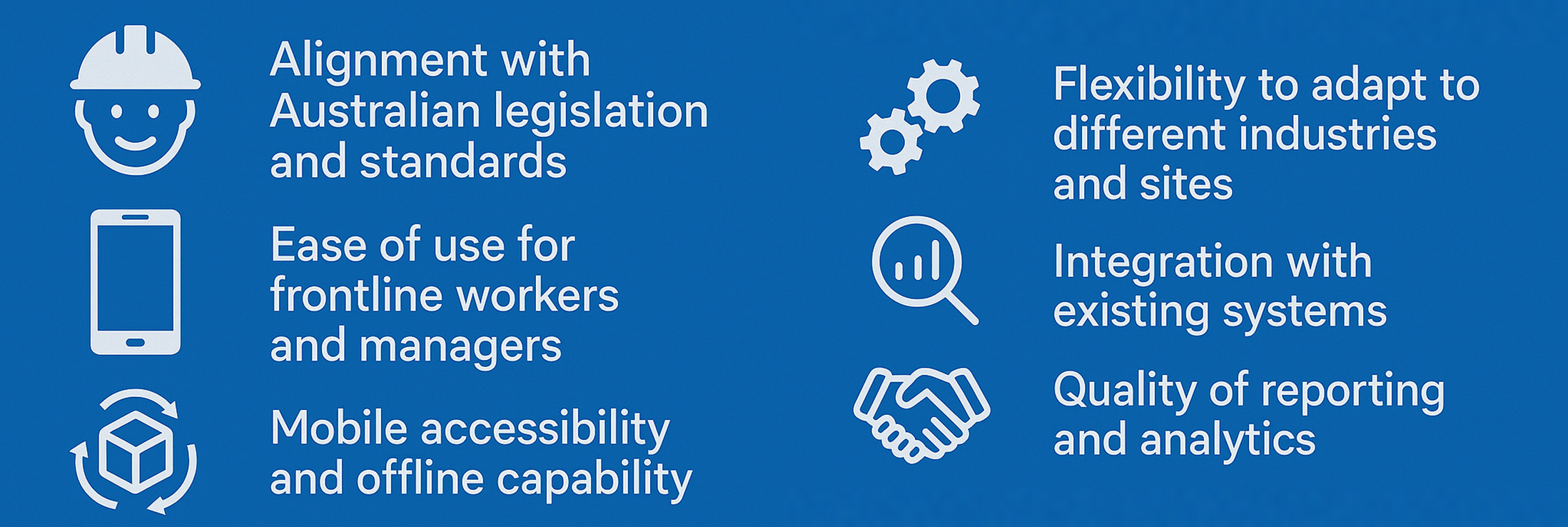
It is also important to involve end users in the selection process. A system that looks good in a demonstration but is difficult to use in practice will struggle to gain adoption.
Successful implementation is as much about change management as technology. Clear communication, training, and leadership support are critical to realising the full benefits of digital safety systems.
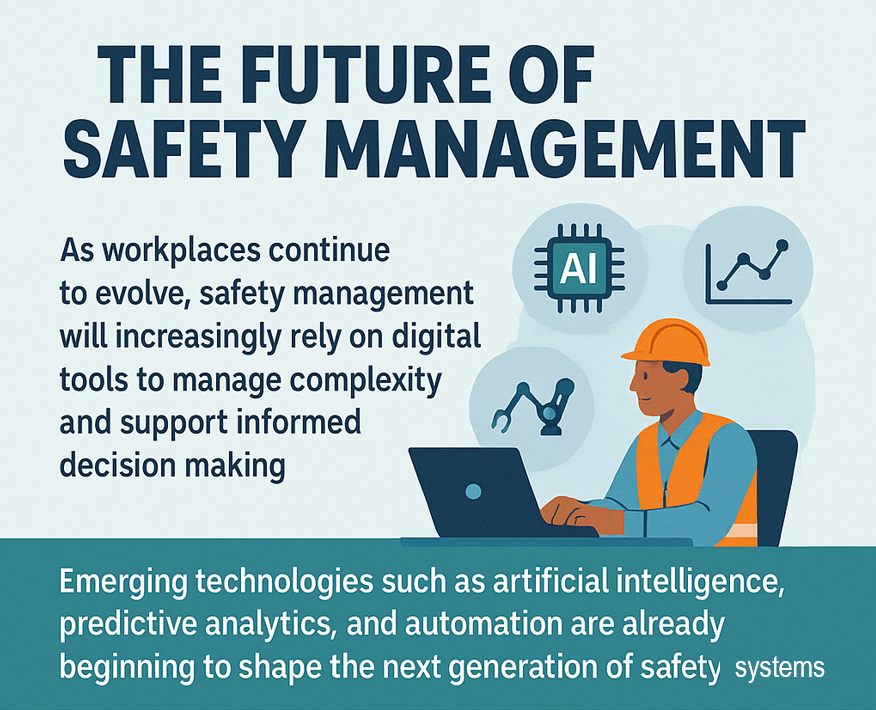
In the Australian context, expectations around due diligence, psychosocial risk management and contractor oversight, are likely to continue growing. Organisations that invest in robust, adaptable safety systems will be better positioned to meet these challenges and protect their people.
Conclusion
Workplace safety management is no longer a static exercise driven by paperwork and annual reviews. It is a dynamic, ongoing process that requires visibility, accountability, and engagement at every level of an organisation.
Digital safety systems provide the structure and tools needed to meet modern challenges while supporting legal compliance and positive safety culture. For Australian organisations navigating complex regulatory environments and diverse workforces, investing in Workplace safety software in Australia is a strategic decision that delivers value far beyond compliance.
By choosing the right solution and embedding it into everyday operations, organisations can move from reactive management to proactive prevention, building safer workplaces for today and the future.
.png)
Disclaimer
At SiteSherpa, we follow the Model Work Health and Safety (WHS) Act, along with other relevant legislation, regulations, and codes of practice applicable to Australia, to ensure our content reflects industry best practices. Our resources are designed to provide helpful guidance, but they don’t replace professional advice or legal requirements. We do our best to share accurate and reliable information, but businesses should always check their specific WHS obligations to stay compliant and keep their workplaces safe.
Related Content
.png)
.png)
.png)
.png)
.png)
.png)
.png)
.png)
.png)

Join Our Newsletter
Receive expert insights, safety updates, and the latest updates in our services and apps. Stay ahead of workplace safety, compliance, and operational efficiency—delivered straight to your inbox.
By clicking Subscribe you're confirming that you agree with our Terms and Conditions.