Psychosocial Hazard Management

Workplace
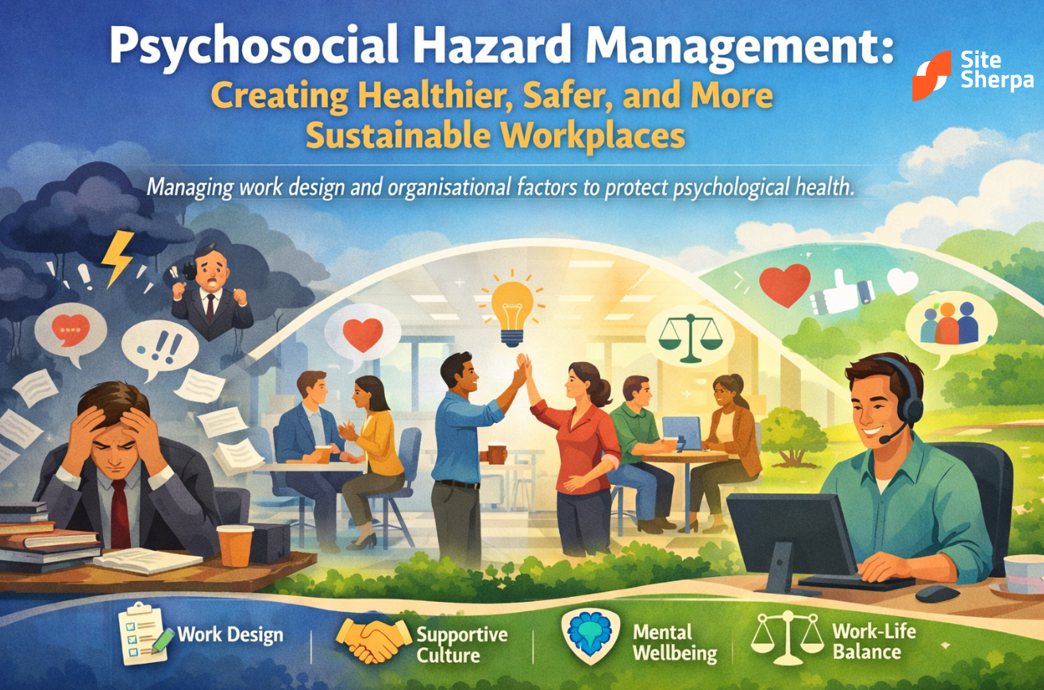
Psychosocial Hazard Management: Creating Healthier, Safer, and More Sustainable Workplaces
Managing work design and organisational factors to protect psychological health.
Workplace safety has traditionally focused on physical risks such as machinery, hazardous substances, and manual tasks. While these risks remain critical, there is growing recognition that many of the most serious and long-lasting harms in modern workplaces are psychological rather than physical. Stress, burnout, bullying, fatigue, and exposure to traumatic events can all have profound impacts on health, performance, and organisational outcomes.
In response, organisations across Australia are increasingly expected to take a structured, proactive approach to Psychosocial hazard management. This is not about wellness initiatives or individual resilience programs alone. It is about identifying work-related factors that can cause psychological harm and managing them with the same discipline applied to physical safety risks.
This article provides a comprehensive guide to psychosocial hazards, why they matter, how they arise, and how organisations can manage them effectively as part of a mature work health and safety system.
What Are Psychosocial Hazards?
Psychosocial hazards are aspects of work design, organisation, management, and social context that have the potential to cause psychological or physical harm. Unlike many physical hazards, they are often less visible, develop over time, and are influenced by both organisational systems and interpersonal dynamics.
Examples of psychosocial hazards include:
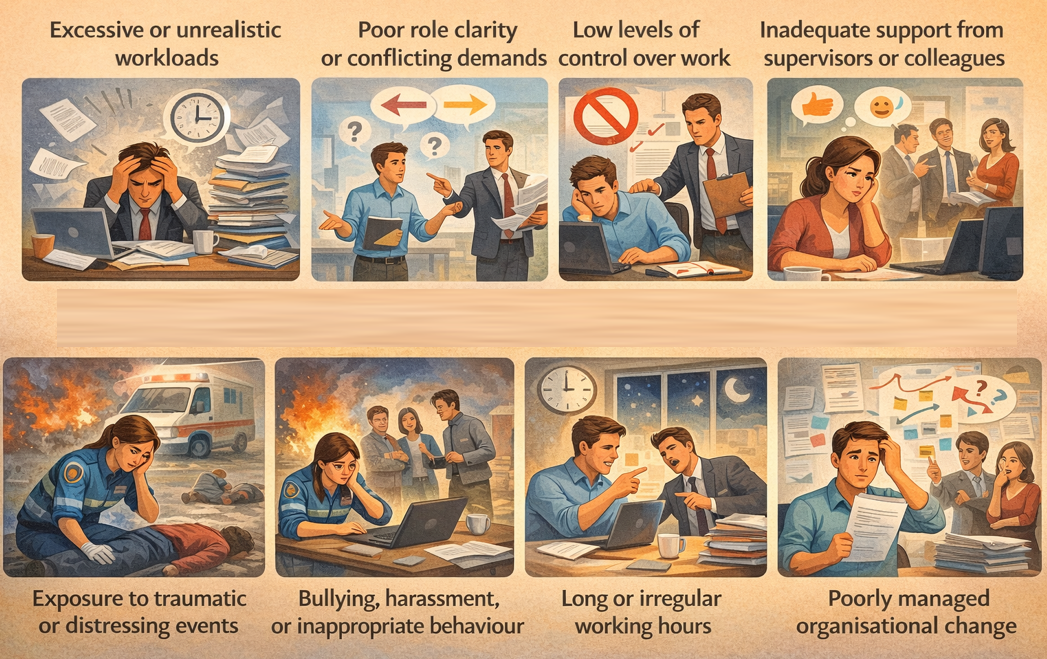
These hazards do not affect everyone in the same way, but they can create significant risk if not recognised and managed.
Why Psychosocial Hazards Are a Work Health and Safety Issue
Psychosocial risks are sometimes incorrectly framed as personal issues or human resources matters. In reality, they are a core work health and safety concern because they arise from how work is designed and managed.
Work-related psychological harm can result in:
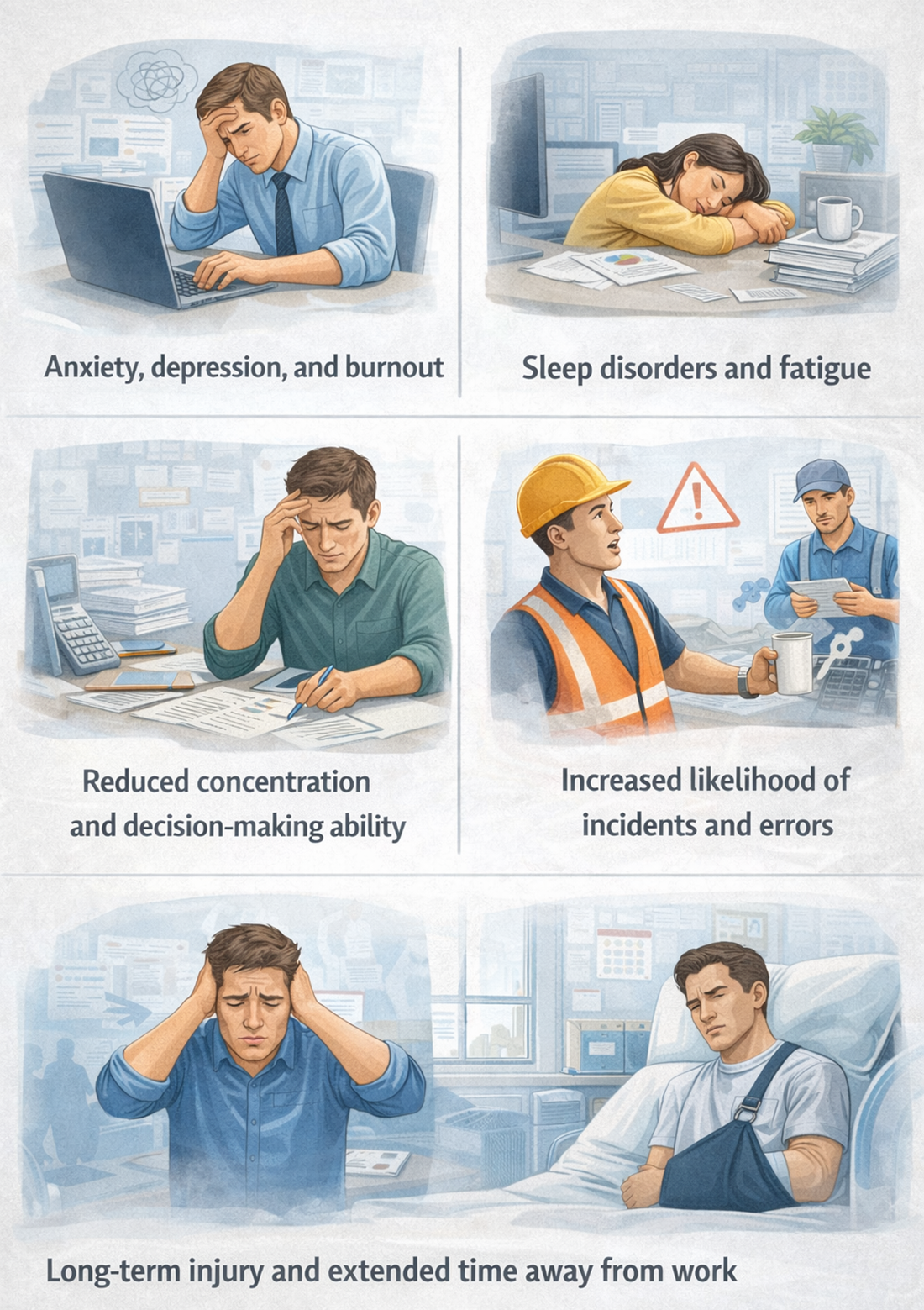
From an organisational perspective, unmanaged psychosocial risks contribute to absenteeism, presenteeism, turnover, reduced productivity, and increased compensation claims.
Legal Expectations and Due Diligence
Australian work health and safety laws require organisations to identify hazards and manage risks to health and safety so far as is reasonably practicable. This duty applies equally to psychological health.
Regulators increasingly expect organisations to demonstrate that they:
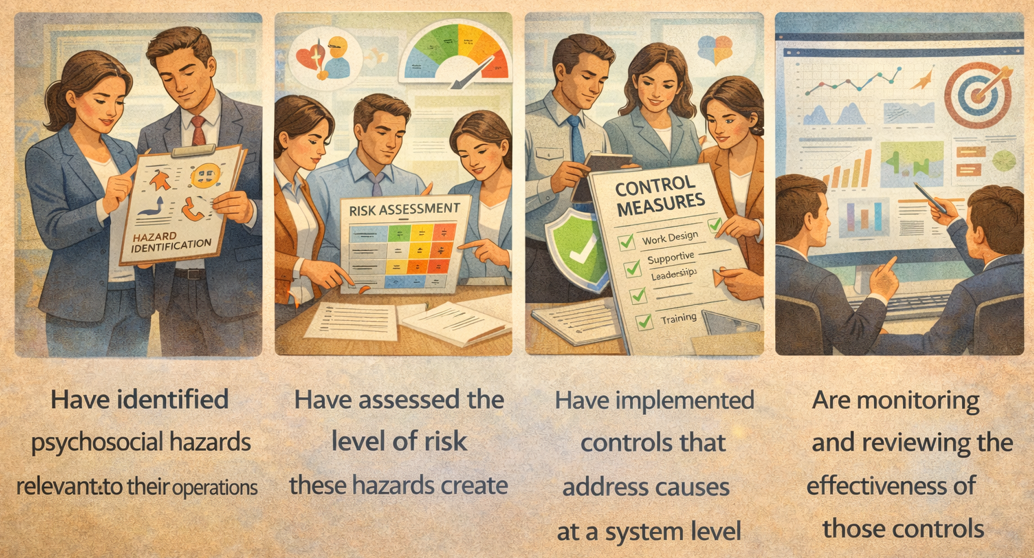
For officers and senior leaders, due diligence includes understanding psychosocial risks and ensuring appropriate resources and processes are in place to manage them.
Common Sources of Psychosocial Risk in Workplaces
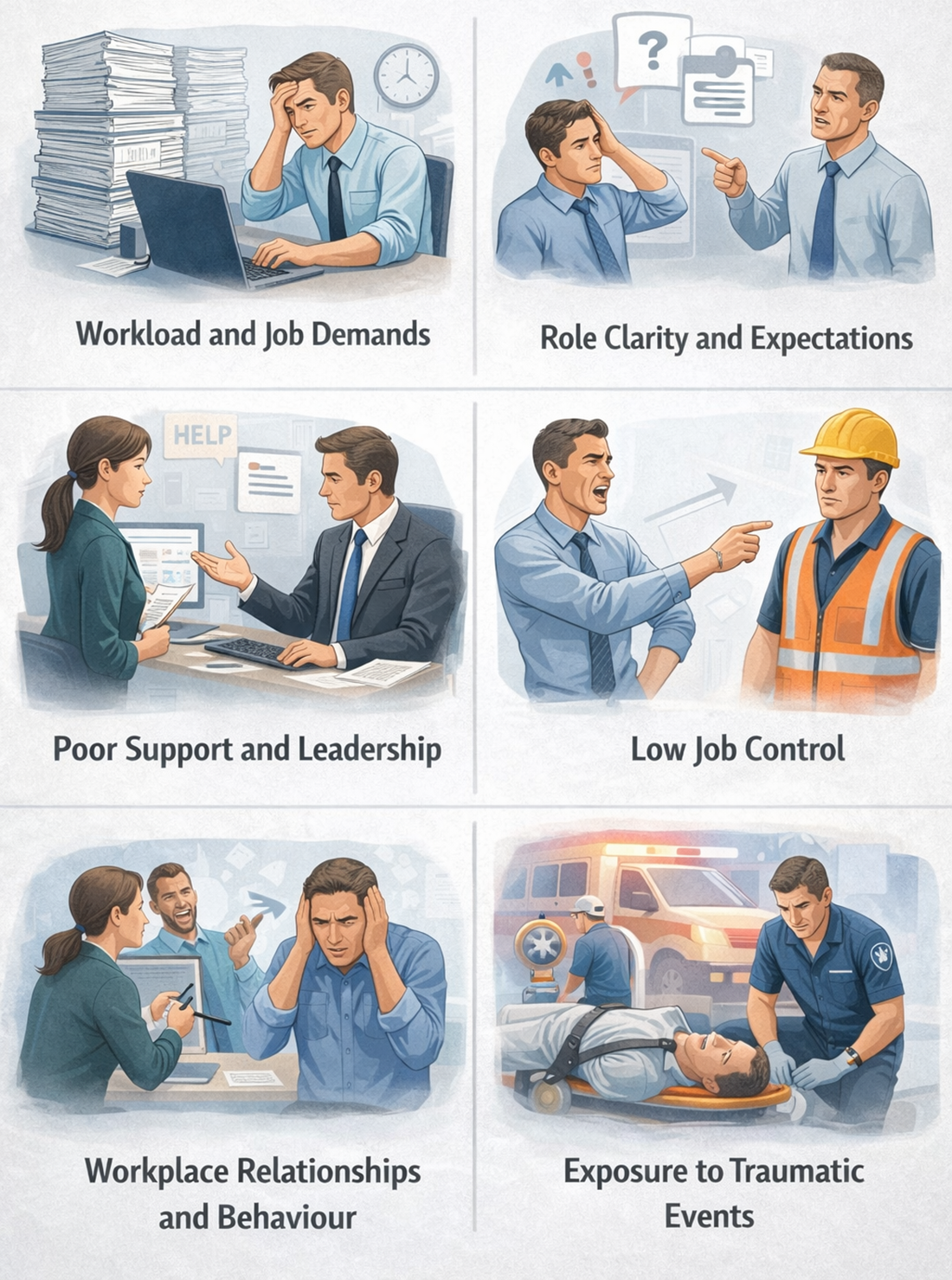
While every organisation is different, psychosocial hazards often emerge from similar underlying sources.
Workload and Job Demands
Sustained high workloads, tight deadlines, and constant time pressure can significantly increase stress levels. When demands consistently exceed capacity, the risk of burnout and errors rises sharply.
Role Clarity and Expectations
Unclear roles, conflicting instructions, or constantly changing priorities can create chronic stress and frustration. Workers may feel they are set up to fail or criticised for issues beyond their control.
Low Job Control
Limited autonomy over how work is performed, particularly when combined with high demands, is a well-established psychosocial risk factor.
Workplace Relationships and Behaviour
Bullying, harassment, and interpersonal conflict are among the most damaging psychosocial hazards. Even low-level inappropriate behaviour, if tolerated, can erode trust and safety.
Exposure to Traumatic Events
Certain roles involve regular exposure to distressing situations, such as healthcare, emergency services, and social services. Without appropriate controls, this exposure can lead to cumulative psychological harm.
The Difference Between Individual and Systemic Approaches
One of the most common mistakes organisations make is focusing solely on individual coping strategies. While support services and training are important, they do not address the root causes of psychosocial risk.
Effective management focuses on:
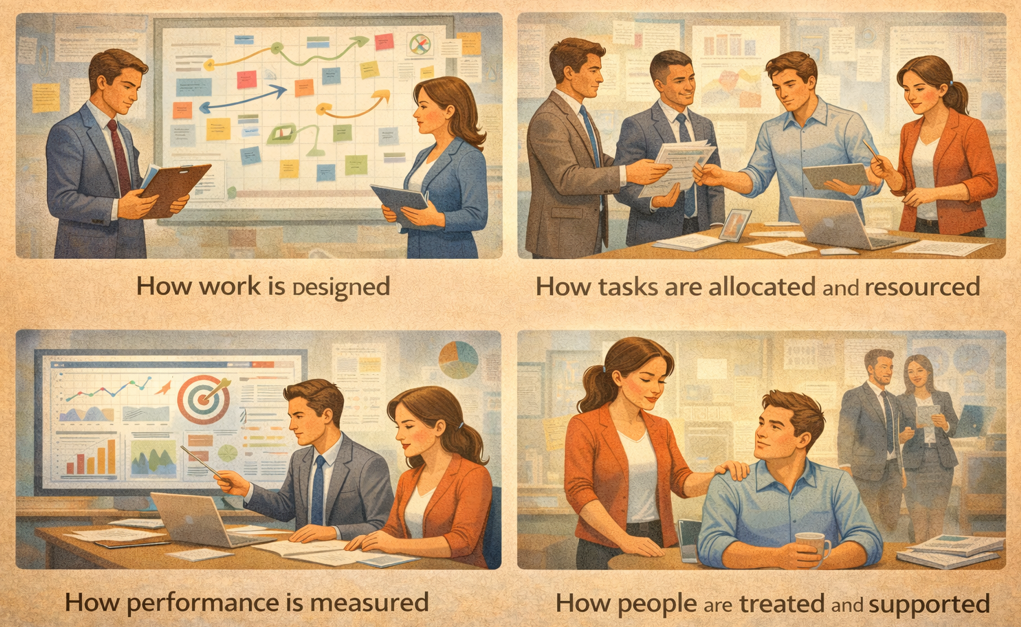
Individual support should complement, not replace, systemic controls.
Identifying Psychosocial Hazards
Identifying psychosocial hazards requires a different approach from traditional physical hazard identification. Because these risks are often less visible, multiple sources of information are needed.
Common methods include:
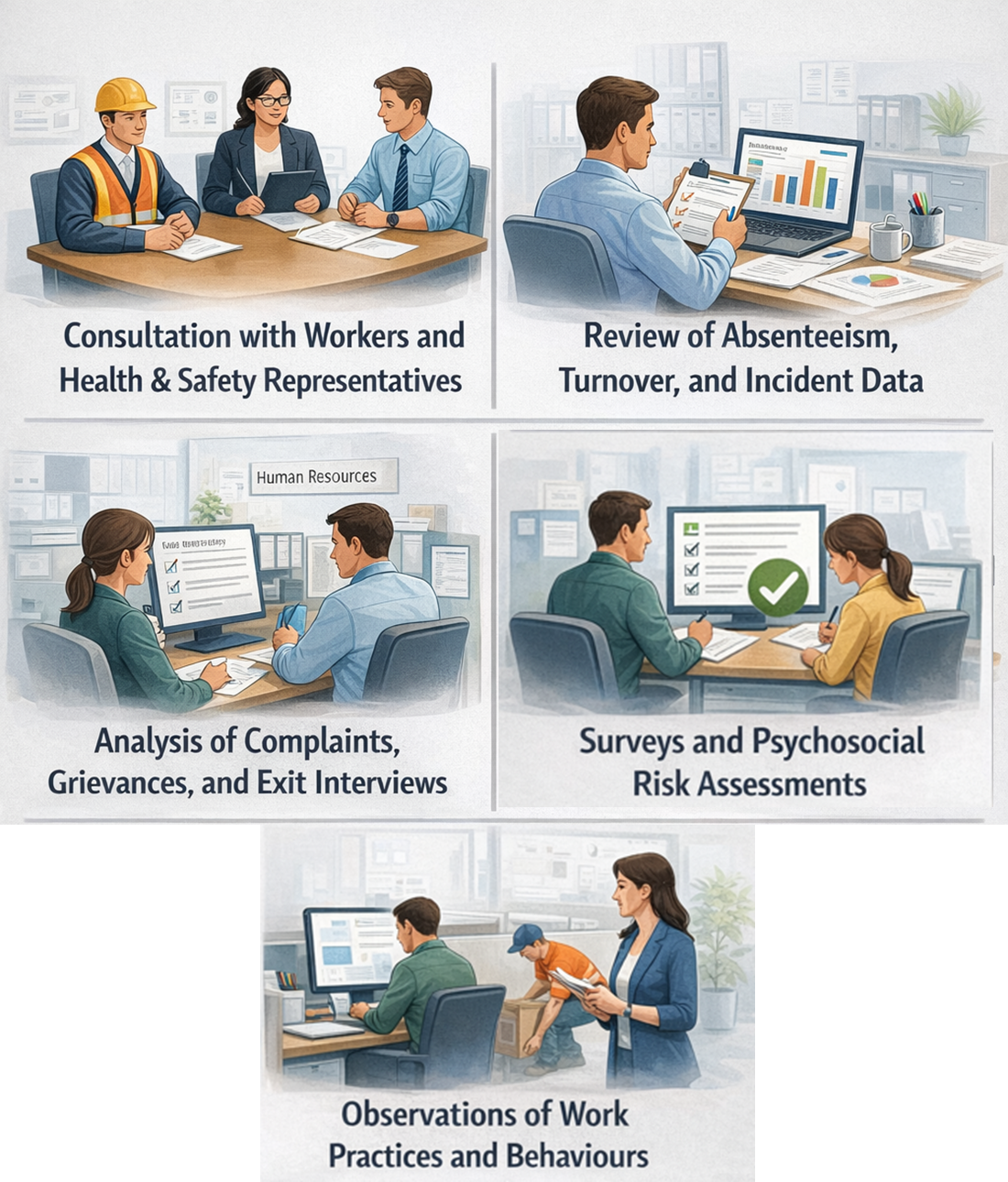
Open, respectful consultation is critical. Workers are often best placed to identify psychosocial risks if they feel safe to speak up.
Assessing Psychosocial Risk
Once hazards are identified, organisations need to assess the level of risk they present. This involves considering:

Assessment should focus on patterns and trends rather than isolated cases. A single complaint may signal a broader systemic issue that requires attention.
Controlling Psychosocial Risks
Control measures should target the underlying causes of risk rather than relying solely on reactive responses. The most effective controls are preventative and embedded into normal business processes.
Examples of control strategies include:
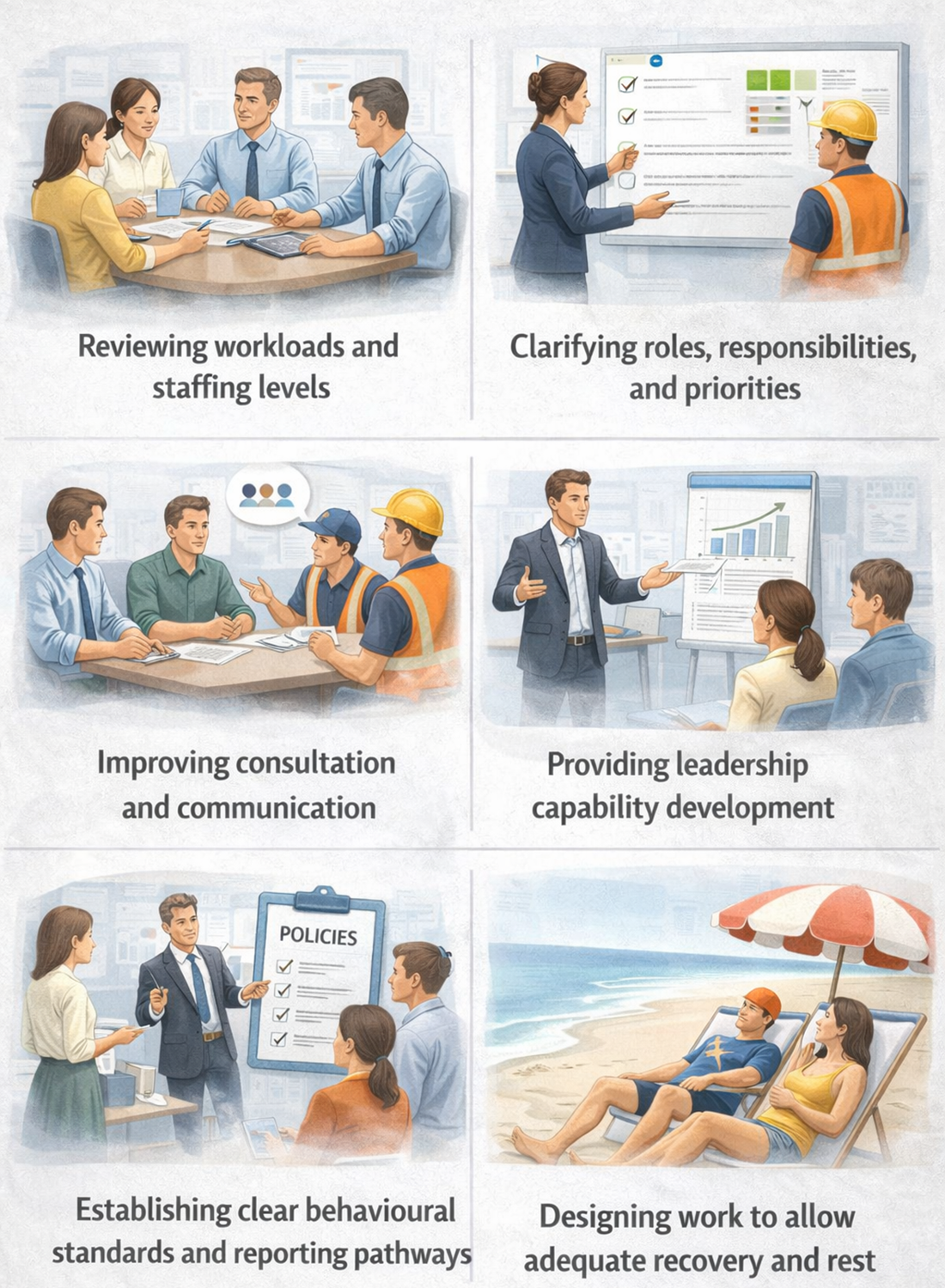
These controls often require cross-functional collaboration between safety, operations, and leadership teams.
The Role of Leadership in Managing Psychosocial Risk
Leadership behaviour has a powerful influence on psychosocial safety. Leaders shape how work is prioritised, how people are treated, and whether concerns are taken seriously.
Effective leaders:
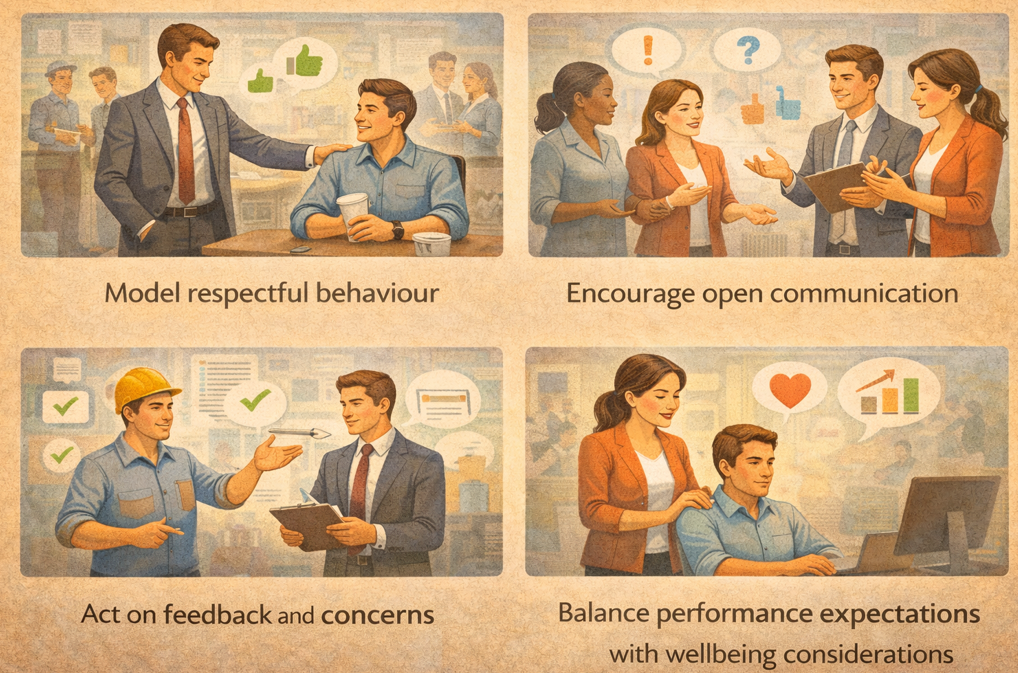
Leadership commitment is essential for psychosocial risk controls to be effective and credible.
Consultation and Worker Involvement
Psychosocial risk management cannot be imposed from the top down. Workers must be involved in identifying issues and developing solutions.
Consultation supports:
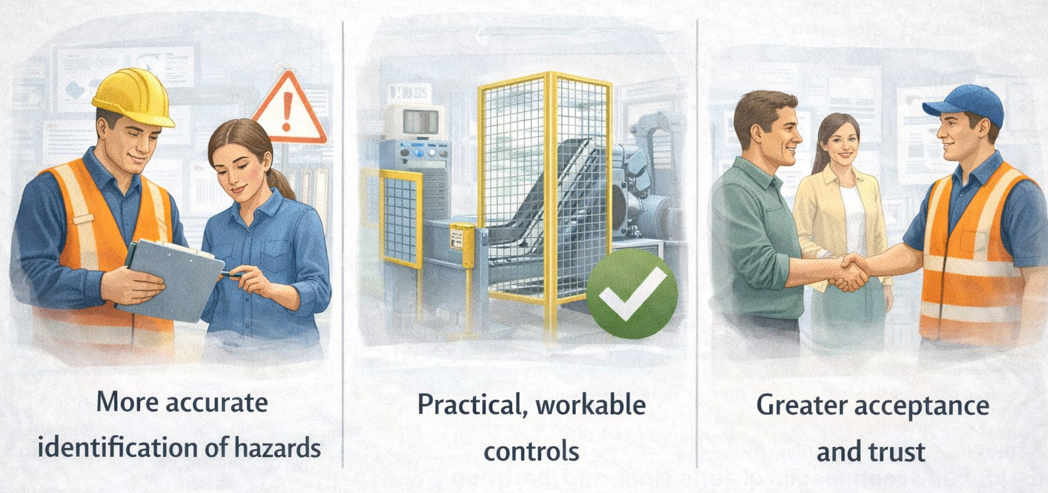
Meaningful consultation is also a legal requirement and a cornerstone of effective safety management.
Monitoring and Review
Psychosocial hazards and risks change over time as work, teams, and organisational priorities evolve. Ongoing monitoring ensures controls remain effective.
Monitoring may include:
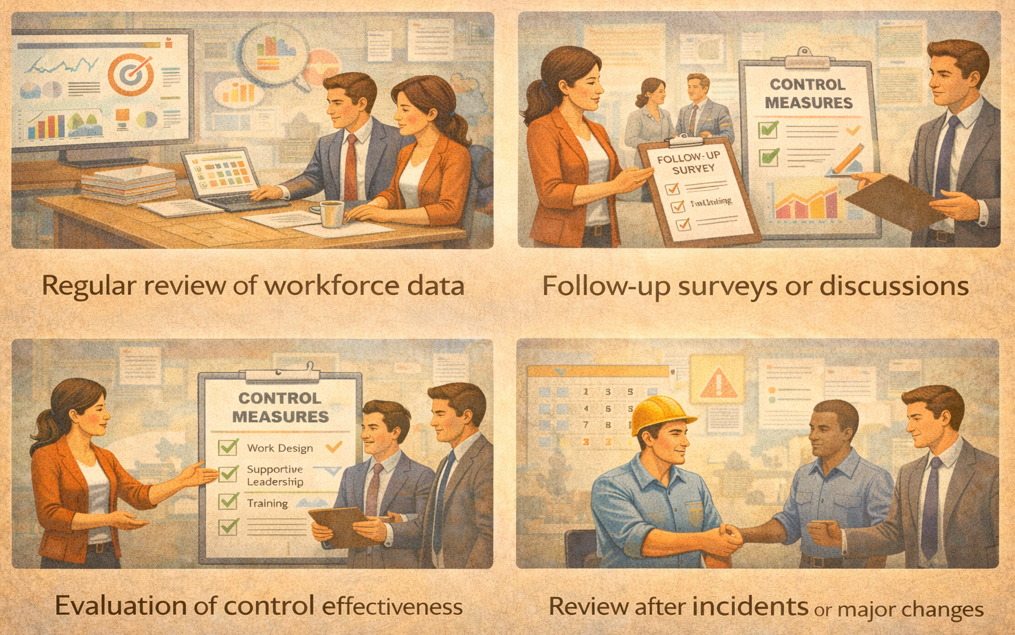
Continuous improvement is critical for long-term success.
Integrating Psychosocial Risk Into Existing Safety Systems
Psychological health should not sit in a separate silo. It should be integrated into existing work health and safety systems, including:
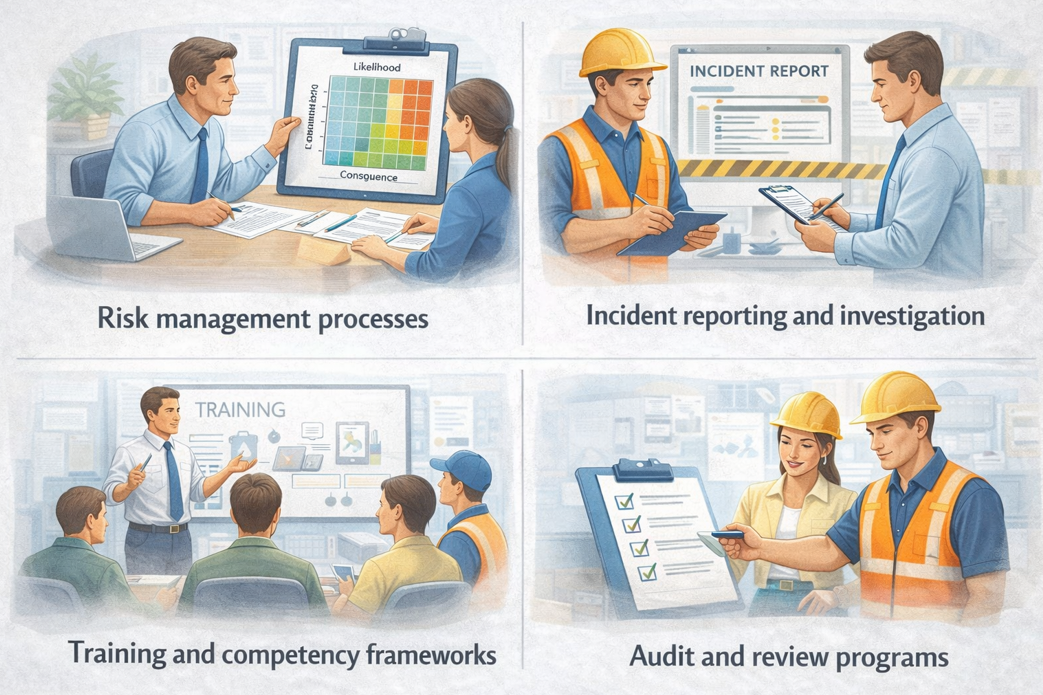
Integration reinforces the message that psychological safety is as important as physical safety.
Avoiding Common Pitfalls
Organisations sometimes struggle with psychosocial risk management due to:
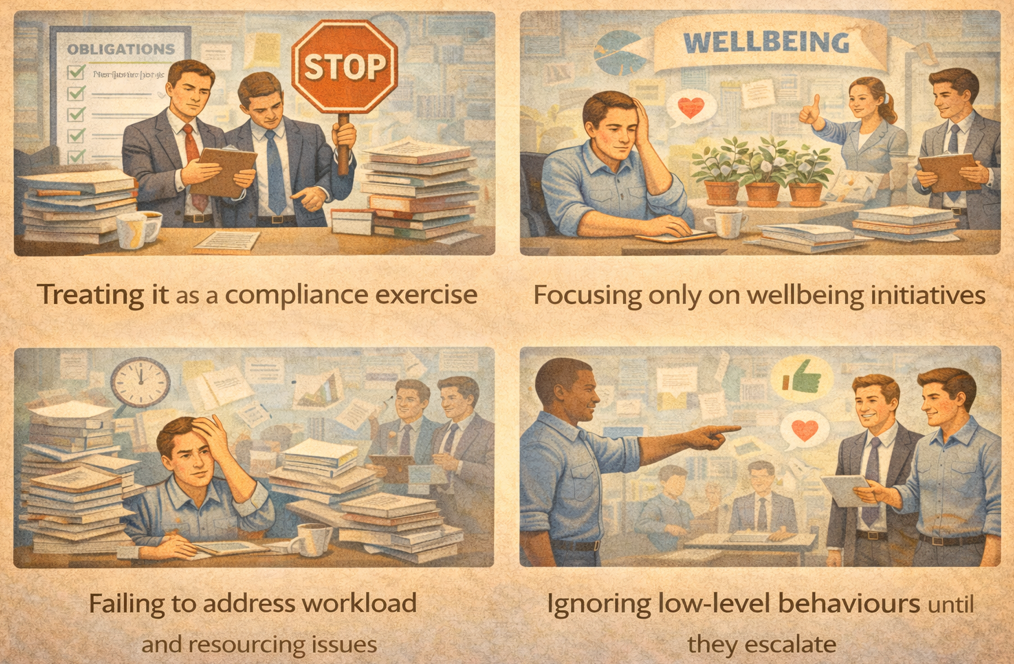
Recognising and addressing these pitfalls is key to meaningful improvement.
Building Capability Over Time
Managing psychosocial risks is not a one-off project. It requires ongoing capability building, learning, and adaptation.
This includes:
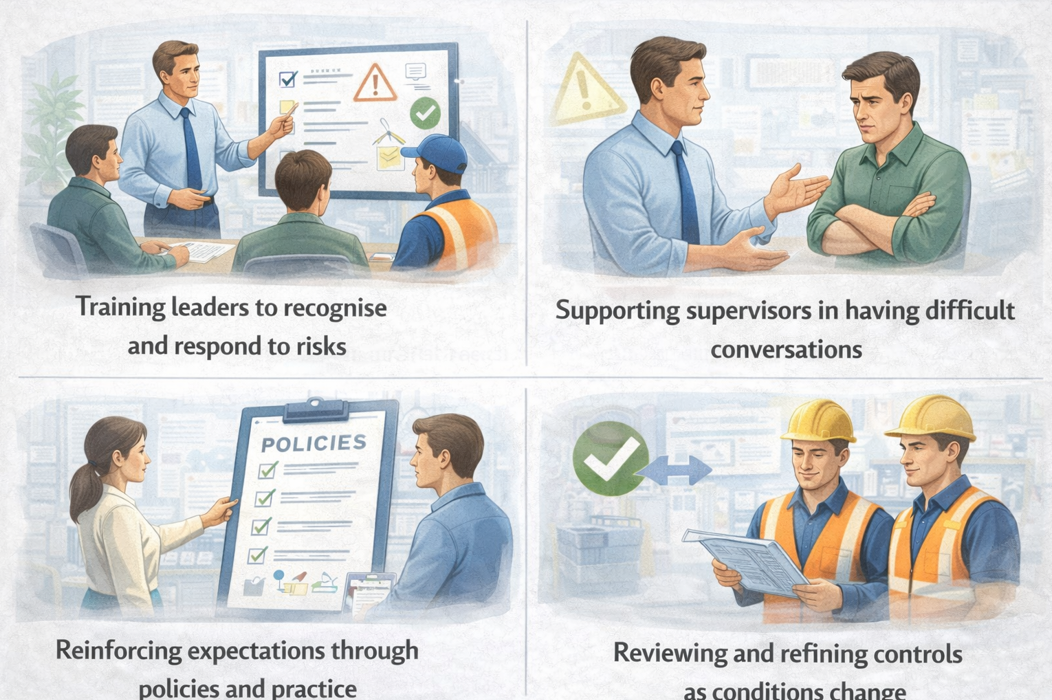
Capability grows through consistent action, not just documentation.
Why a Proactive Approach Matters
Proactive management of psychosocial hazards reduces harm, supports performance, and strengthens organisational resilience. It also demonstrates genuine care for workers, which in turn supports engagement and retention.
As work continues to evolve, organisations that invest in structured, preventative approaches to psychological health will be better positioned to meet both regulatory expectations and workforce needs.
This is why Psychosocial hazard management is increasingly seen as a defining feature of mature, responsible organisations rather than an optional extra.
Measuring Success
Success should be measured by meaningful outcomes, not just the existence of policies or training.
Indicators of effective management include:
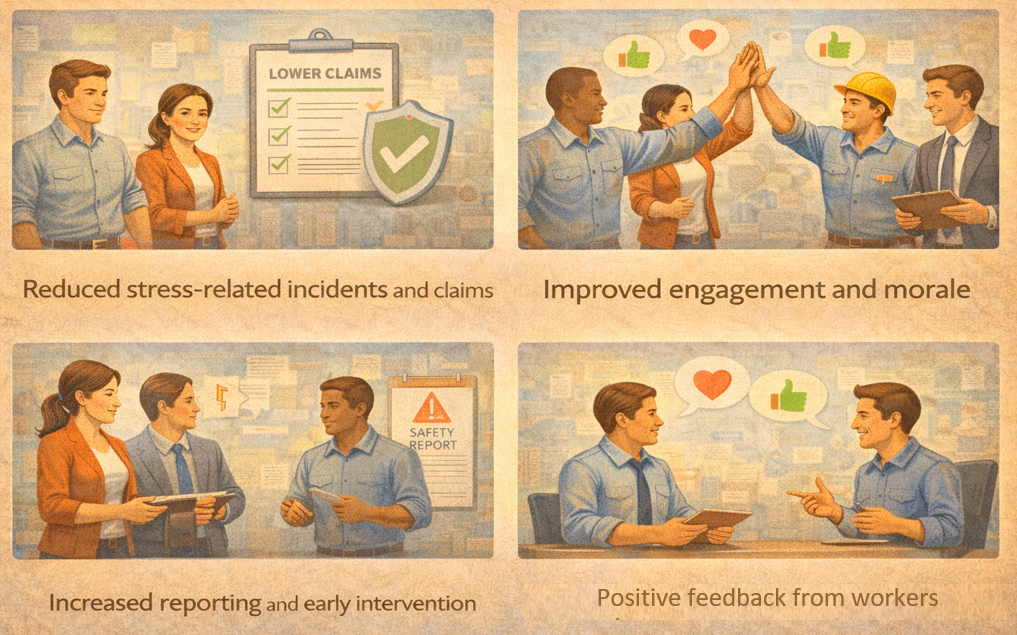
These indicators reflect whether controls are working in practice.
Conclusion
Psychological health and safety is now firmly established as a core component of work health and safety. Ignoring psychosocial hazards exposes organisations to significant legal, human, and commercial risk.
Effective Psychosocial hazard management requires the same structured approach applied to physical risks: identifying hazards, assessing risk, implementing controls, and reviewing effectiveness. When embedded into everyday work and supported by strong leadership and consultation, it becomes a powerful driver of healthier, safer, and more sustainable workplaces.
Ultimately, organisations that take psychosocial risks seriously are not only protecting their people — they are building environments where individuals can perform, grow, and thrive over the long term.
Disclaimer
At SiteSherpa, we follow the Model Work Health and Safety (WHS) Act, along with other relevant legislation, regulations, and codes of practice applicable to Australia, to ensure our content reflects industry best practices. Our resources are designed to provide helpful guidance, but they don’t replace professional advice or legal requirements. We do our best to share accurate and reliable information, but businesses should always check their specific WHS obligations to stay compliant and keep their workplaces safe.
Related Content
.png)
.png)
.png)
.png)
.png)
.png)
.png)
.png)
.png)

Join Our Newsletter
Receive expert insights, safety updates, and the latest updates in our services and apps. Stay ahead of workplace safety, compliance, and operational efficiency—delivered straight to your inbox.
By clicking Subscribe you're confirming that you agree with our Terms and Conditions.