Toolbox Talk Topics Australia

Safety
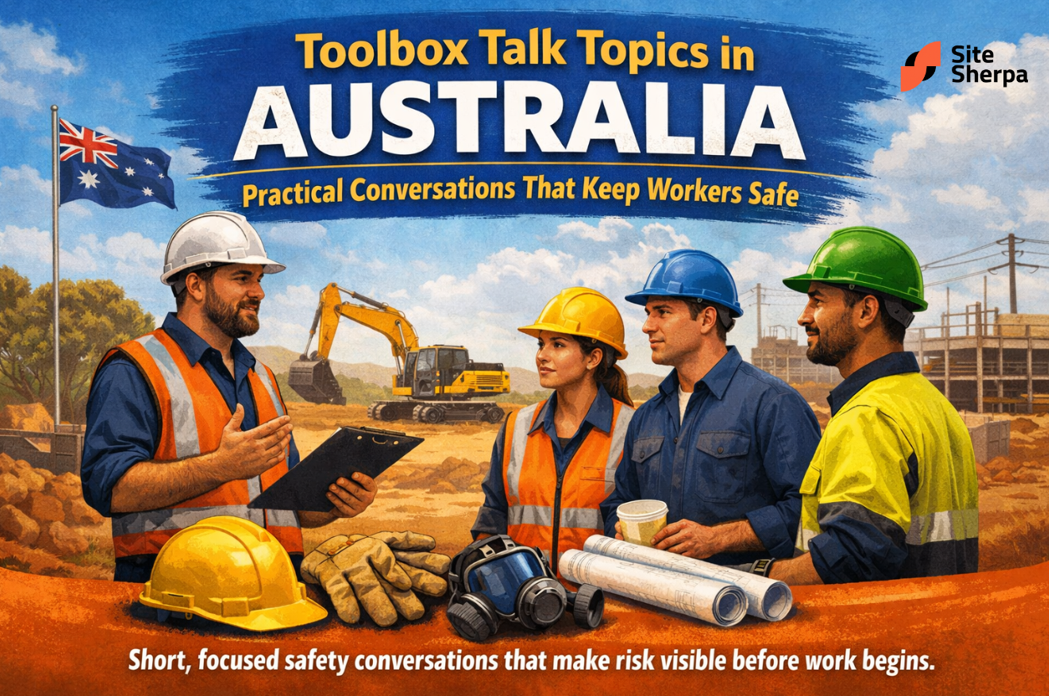
Toolbox Talk Topics in Australia: Practical Conversations That Keep Workers Safe
Short, focused safety conversations that make risk visible before work begins.
Effective safety management is not built on documents alone. It is built on conversations. Across Australian workplaces, one of the most practical and widely used ways to communicate safety expectations, reinforce controls, and engage workers is the toolbox talk.
Toolbox talks are short, focused safety discussions delivered regularly to workers, usually at the worksite or before tasks commence. When done well, they are one of the most powerful tools available to improve hazard awareness, encourage reporting, and reinforce safe behaviours. When done poorly, they become repetitive, rushed, and quickly ignored.
This article provides a comprehensive guide to toolbox talks, including why they matter, how to run them effectively, how to select relevant topics, and how organisations can ensure toolbox talks genuinely support safety rather than becoming another administrative task. It also explores how Toolbox talk topics in Australia should be tailored to local legislation, industry risks, and changing workplace conditions.
What Is a Toolbox Talk?
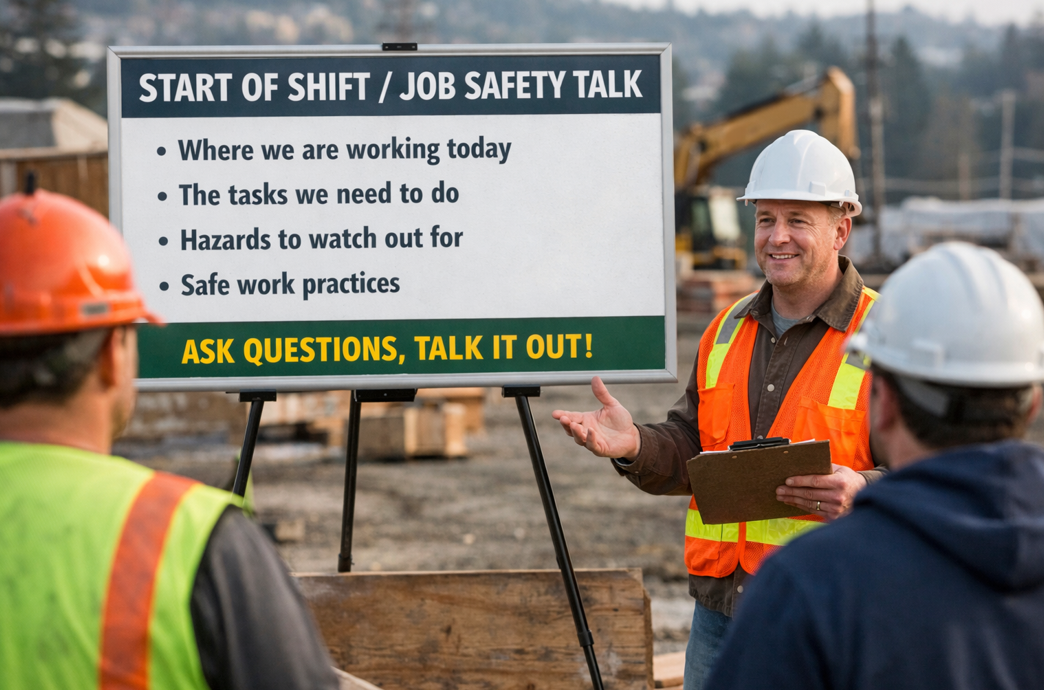
A toolbox talk is a short, informal safety discussion focused on a specific hazard, task, or safety issue. They are typically delivered:
- At the start of a shift or job
- On site, close to where work is being performed
- In plain, practical language
- With opportunity for questions and discussion
Toolbox talks are not formal training sessions. They are intended to be brief, relevant, and interactive. Most last between five and fifteen minutes.
The purpose of a toolbox talk is to:
- Raise awareness of specific risks
- Reinforce safe work practices
- Share lessons from incidents or near misses
- Encourage workers to speak up about safety concerns
Why Toolbox Talks Matter in Australian Workplaces
Australian work health and safety legislation places strong emphasis on consultation, communication, and worker involvement. Toolbox talks are one of the simplest and most effective ways to meet these expectations in practice.
Toolbox talks matter because they:
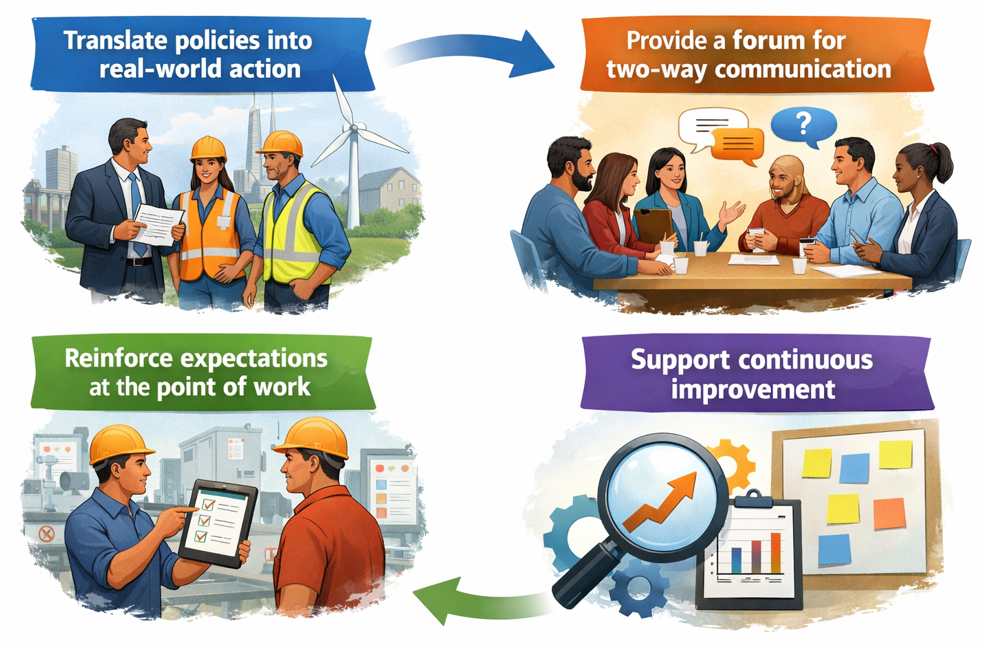
They are particularly valuable in dynamic environments where conditions change regularly, such as construction, maintenance, logistics, healthcare, and field-based work.
Toolbox Talks and Consultation Obligations
Consultation is a core duty under Australian work health and safety laws. Workers must be given a reasonable opportunity to express views, raise issues, and contribute to decisions about safety matters that affect them.
Toolbox talks support consultation by:
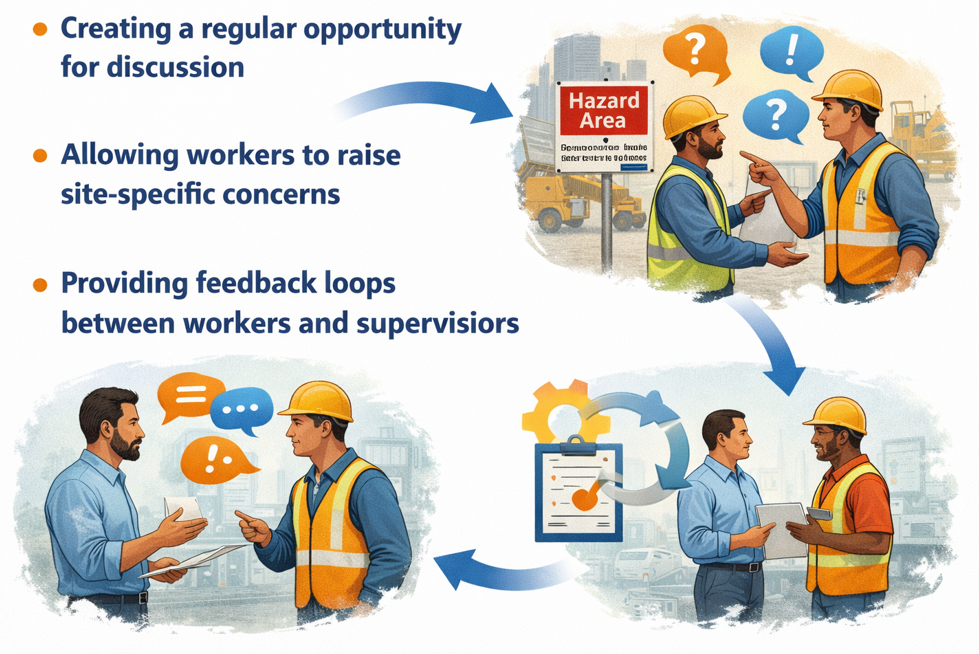
When used properly, toolbox talks are evidence that consultation is occurring in a practical, meaningful way.
What Makes a Toolbox Talk Effective?
Not all toolbox talks are effective. The difference between a useful toolbox talk and one that workers tune out often comes down to how it is delivered rather than the topic itself.
Effective toolbox talks are:
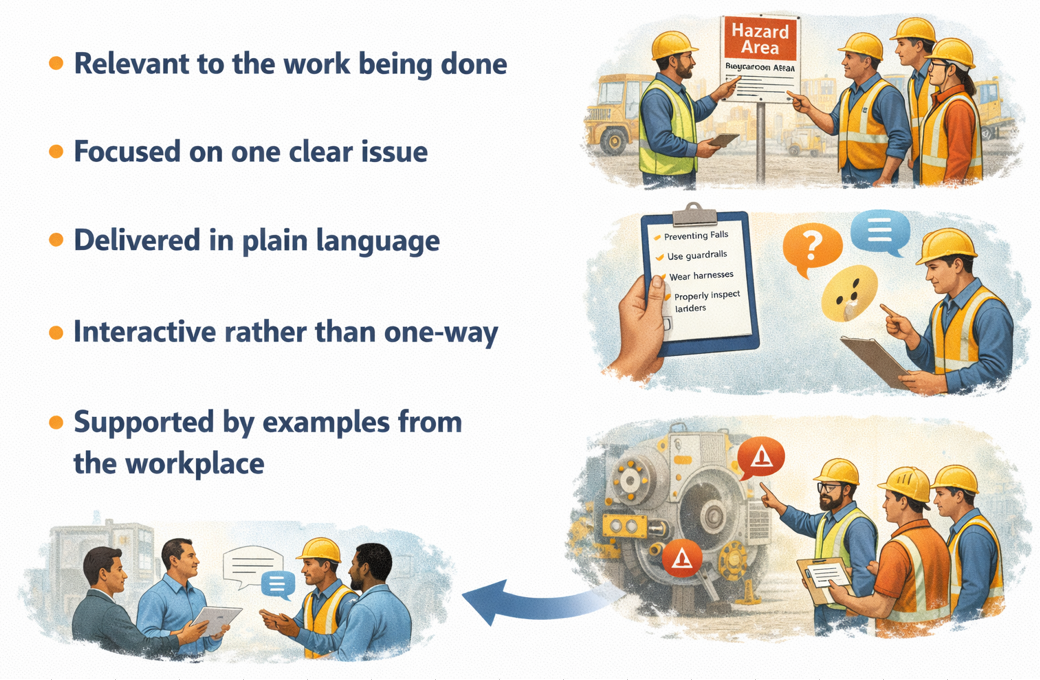
Ineffective toolbox talks are often generic, rushed, or read directly from a script without engagement.
Selecting the Right Toolbox Talk Topics
Choosing the right topic is critical. Topics should be driven by risk, not convenience. The most effective toolbox talks are those that address current or emerging issues rather than generic themes repeated endlessly.
Good sources for toolbox talk topics include:
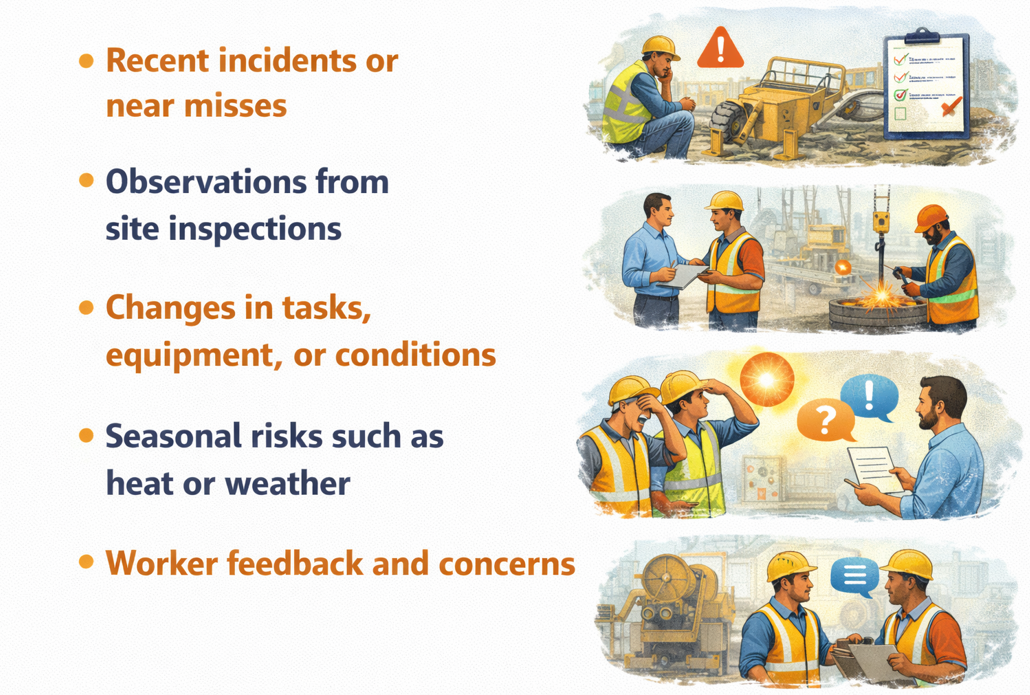
This is where Toolbox talk topics Australia need to reflect the realities of local workplaces, industries, and regulatory expectations.
Common Toolbox Talk Topics in Australia
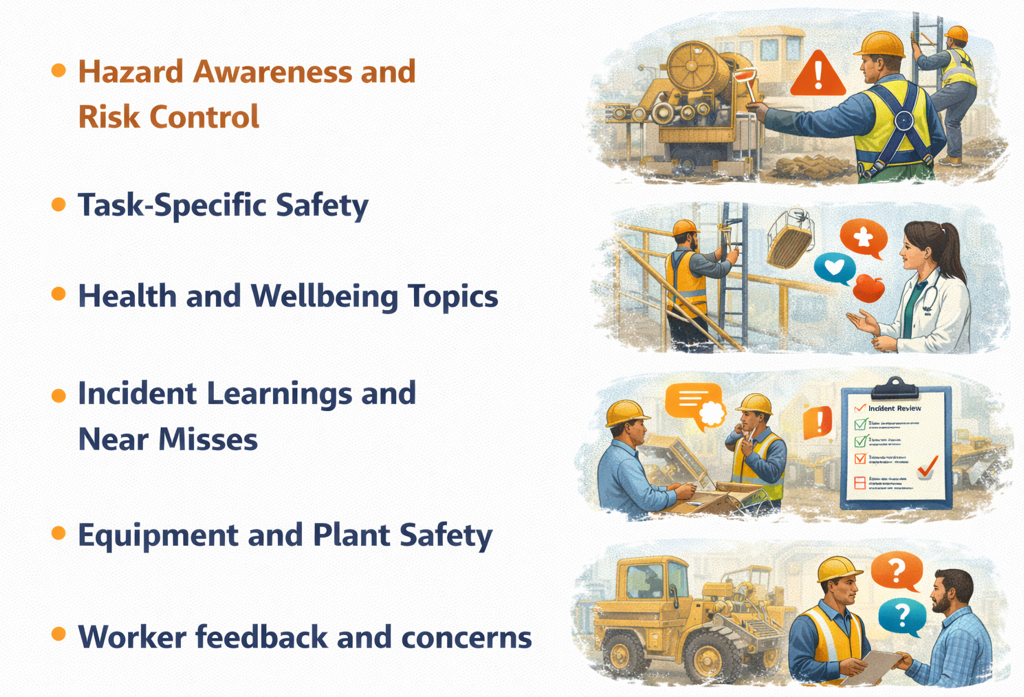
While topics should always be tailored to specific risks, some themes commonly arise across Australian workplaces.
Hazard Awareness and Risk Control
Many toolbox talks focus on identifying hazards and reinforcing controls. These discussions help workers recognise risks before incidents occur.
Examples include:
- Slips, trips, and falls
- Working at heights
- Manual handling and ergonomics
- Mobile plant and vehicle interactions
- Electrical safety
These topics are most effective when linked to current site conditions.
Task-Specific Safety
Task-focused toolbox talks are particularly useful before high-risk or unfamiliar work. They help ensure everyone understands how the task will be performed safely.
Examples include:
- Excavation and trenching
- Lifting operations
- Confined space entry
- Hot works
- Demolition activities
Discussing task steps and controls reinforces planning and accountability.
Health and Wellbeing Topics
Australian workplaces are increasingly recognising the importance of health and wellbeing alongside physical safety.
Toolbox talk topics in this area may include:
- Fatigue management
- Heat stress and hydration
- Mental health awareness
- Managing stress at work
- Fitness for work
These discussions support a more holistic approach to safety.
Incident Learnings and Near Misses
Using real incidents or near misses as toolbox talk topics is one of the most powerful ways to drive learning.
These talks should focus on:
- What happened
- Why it happened
- What controls failed or were missing
- What will be done differently
Blame-free discussion encourages honesty and improvement.
Seasonal and Environmental Risks
Environmental conditions play a significant role in workplace risk. Toolbox talks should adapt accordingly.
Examples include:
- Working in hot or cold conditions
- Wet weather hazards
- Bushfire or smoke exposure
- Storm and lightning risks
Seasonal topics demonstrate proactive risk management.
Equipment and Plant Safety
Changes in equipment or plant often introduce new risks. Toolbox talks can reinforce correct use and limitations.
Topics may include:
- Pre-start inspections
- Safe use of tools and machinery
- Isolation and lockout requirements
- Defect reporting
These talks support consistency and compliance.
Toolbox Talks in Contractor and Multi-Employer Environments
In workplaces with multiple contractors or employers, toolbox talks are essential for coordination and communication.
They help ensure:
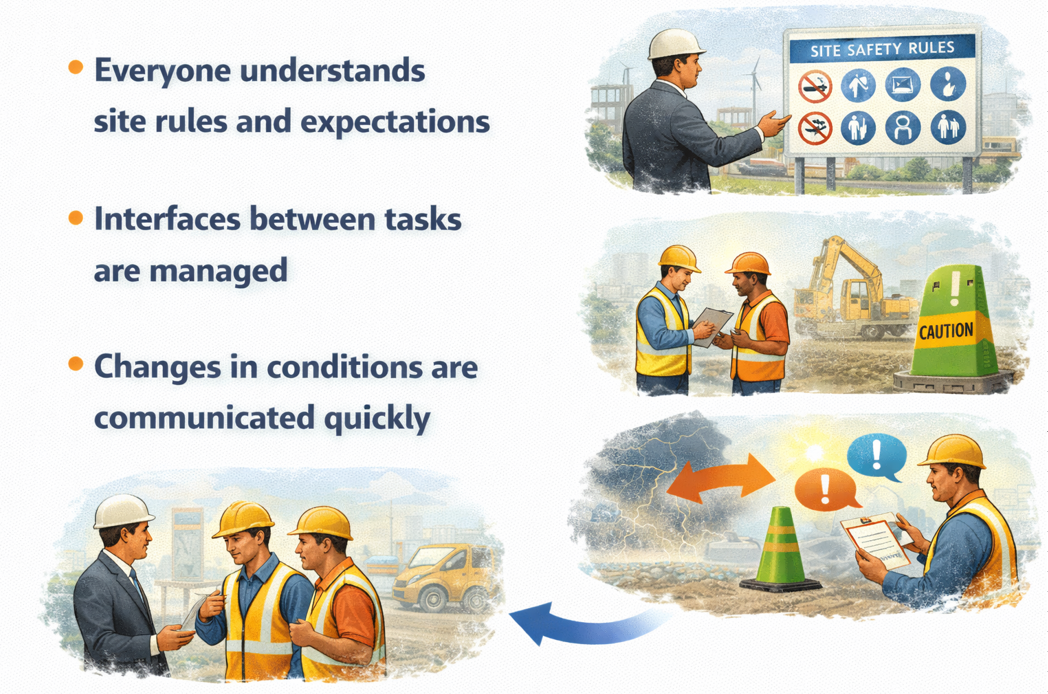
Clear, inclusive toolbox talks reduce the risk of assumptions and miscommunication.
Structuring a Toolbox Talk
While toolbox talks are informal, having a simple structure helps ensure key points are covered.
A practical structure may include:
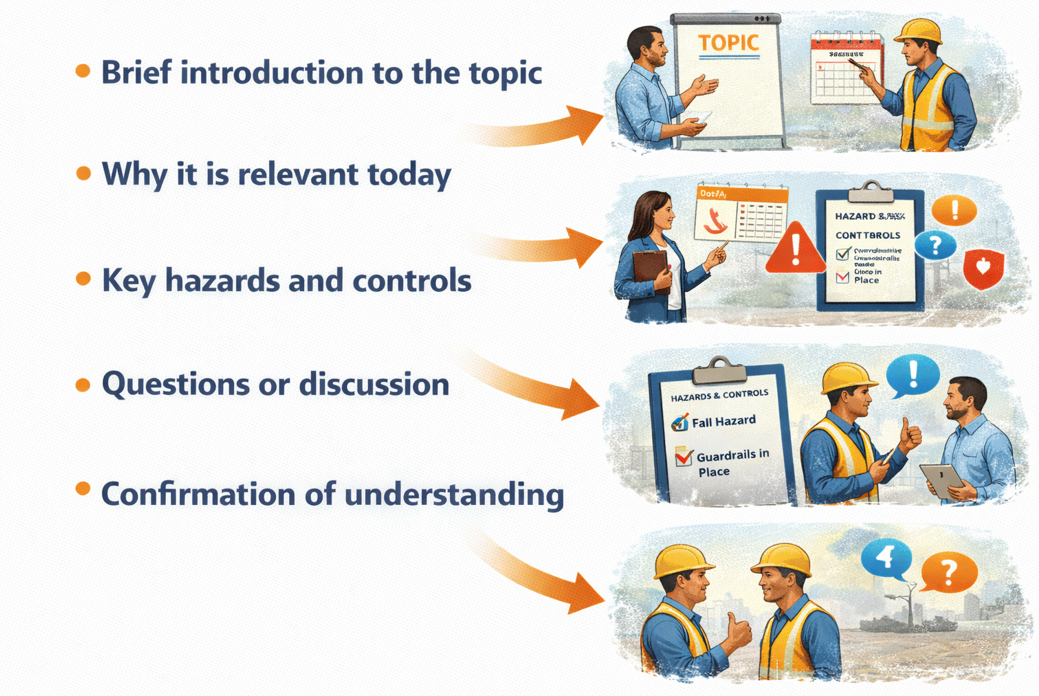
Keeping the structure simple supports consistency without making the talk feel scripted.
Encouraging Worker Participation
Worker participation is what turns a toolbox talk from a lecture into a conversation.
Ways to encourage participation include:
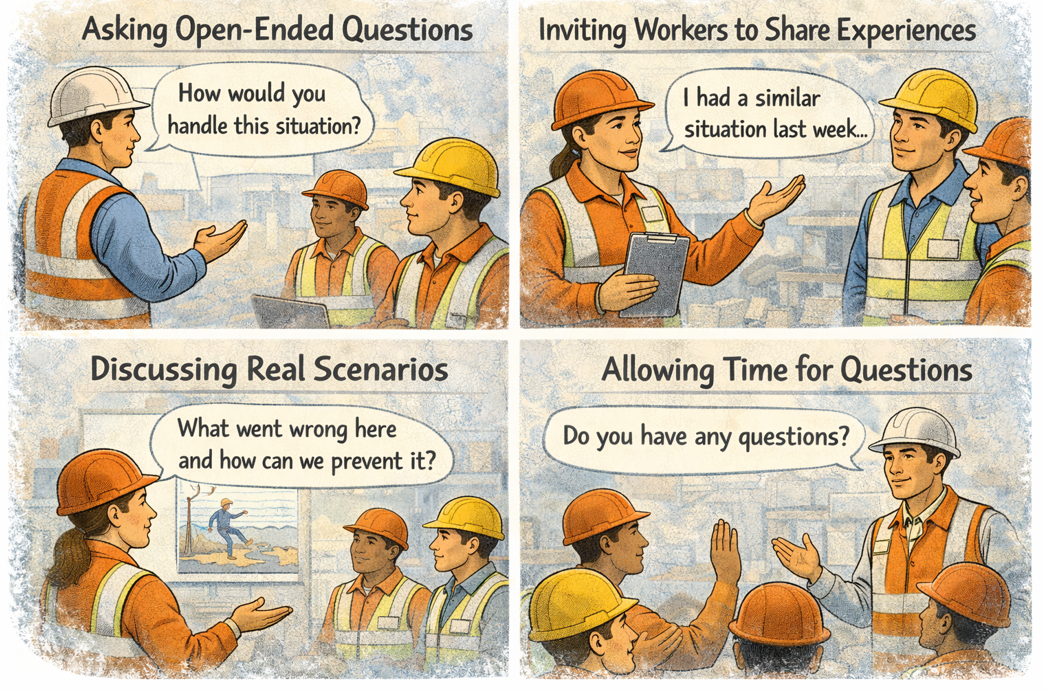
Participation improves understanding and ownership.
Common Mistakes to Avoid
Even well-intentioned toolbox talks can lose impact if common mistakes are not addressed.
Common issues include:
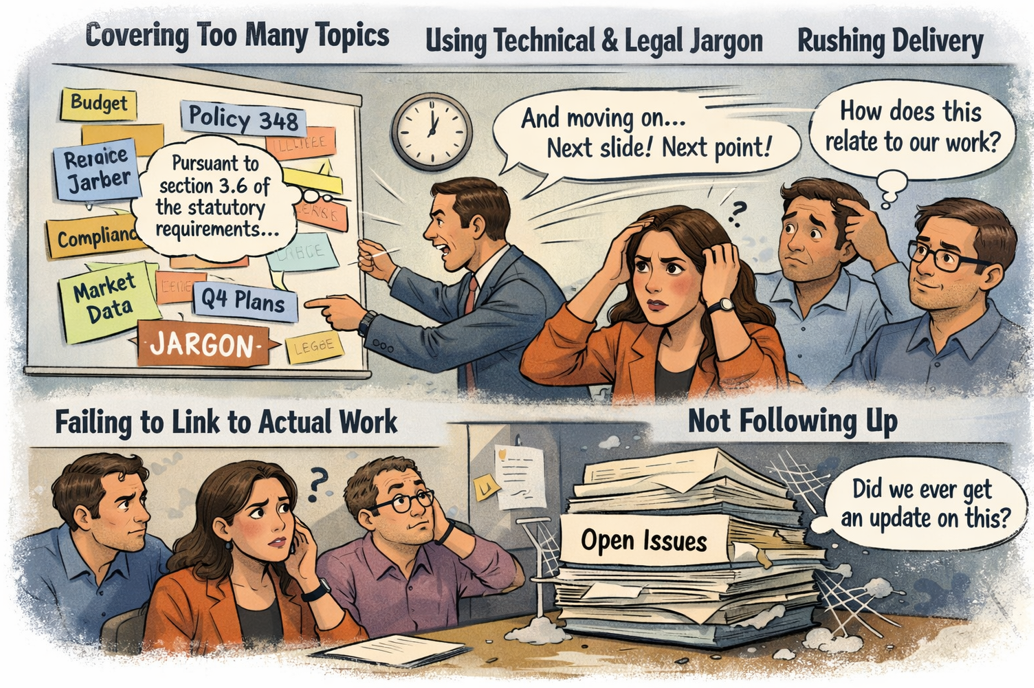
Recognising these pitfalls helps improve quality over time.
Recording Toolbox Talks
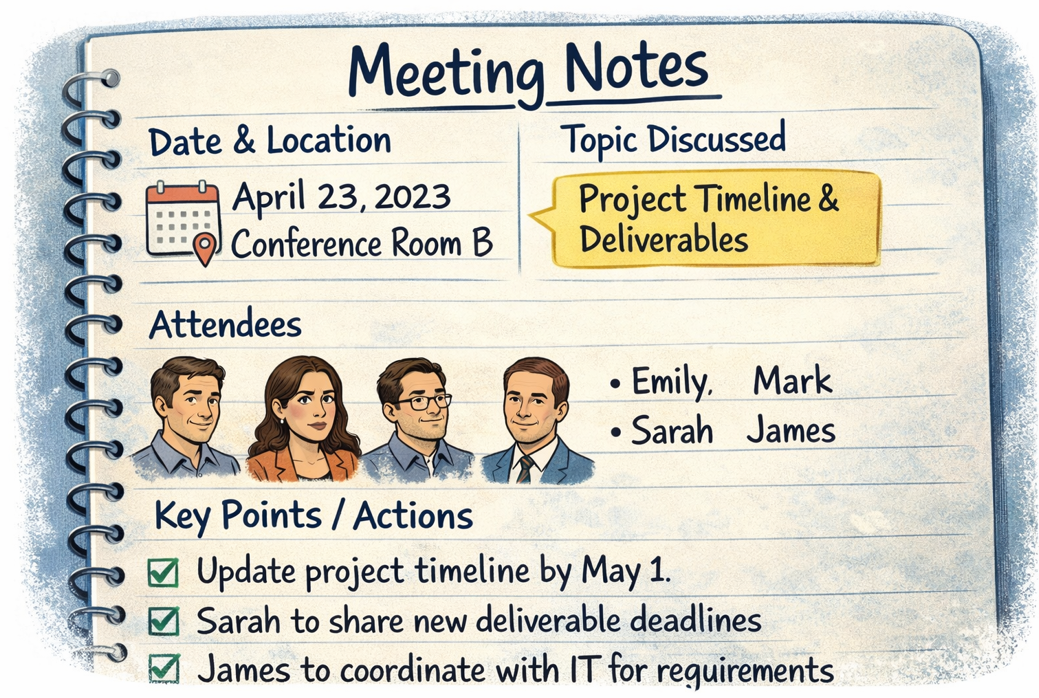
While toolbox talks are informal, records are often required to demonstrate consultation and communication.
Records typically include:
- Date and location
- Topic discussed
- Attendees
- Key points or actions
Records should support accountability without discouraging open discussion.
Toolbox Talks and Safety Culture
Toolbox talks are a visible expression of safety culture. They show whether safety is treated as a shared responsibility or a compliance exercise.
Strong safety cultures use toolbox talks to:
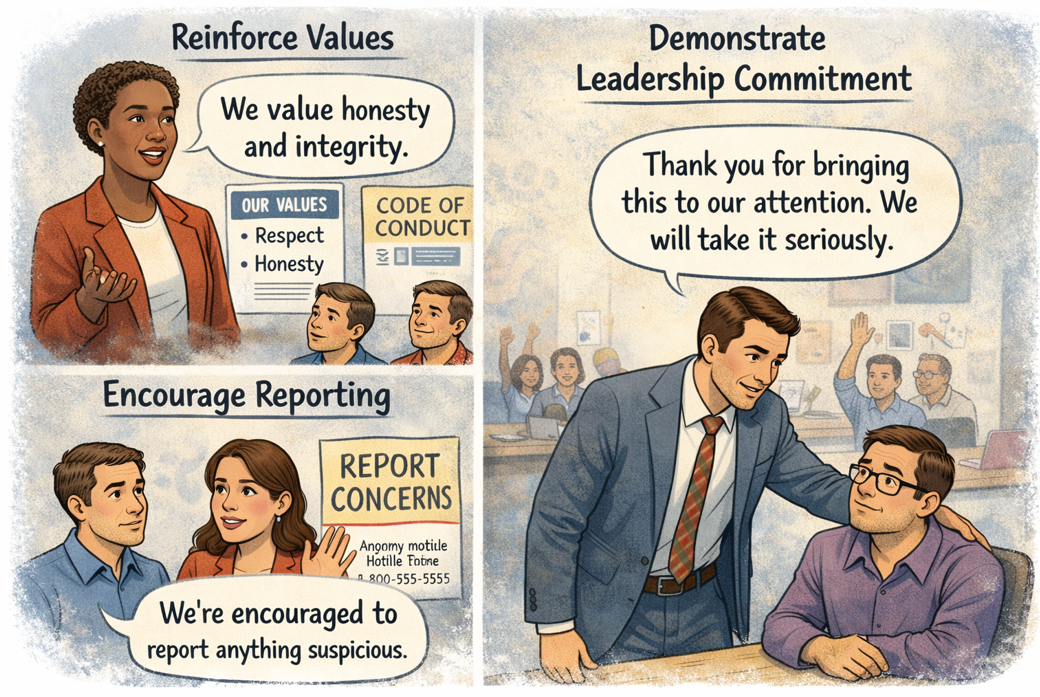
Weak cultures treat toolbox talks as a formality to be completed quickly.
Digital Toolbox Talks and Modern Approaches
Many organisations are now using digital tools to support toolbox talks, particularly in dispersed or mobile workforces.
Digital approaches can:
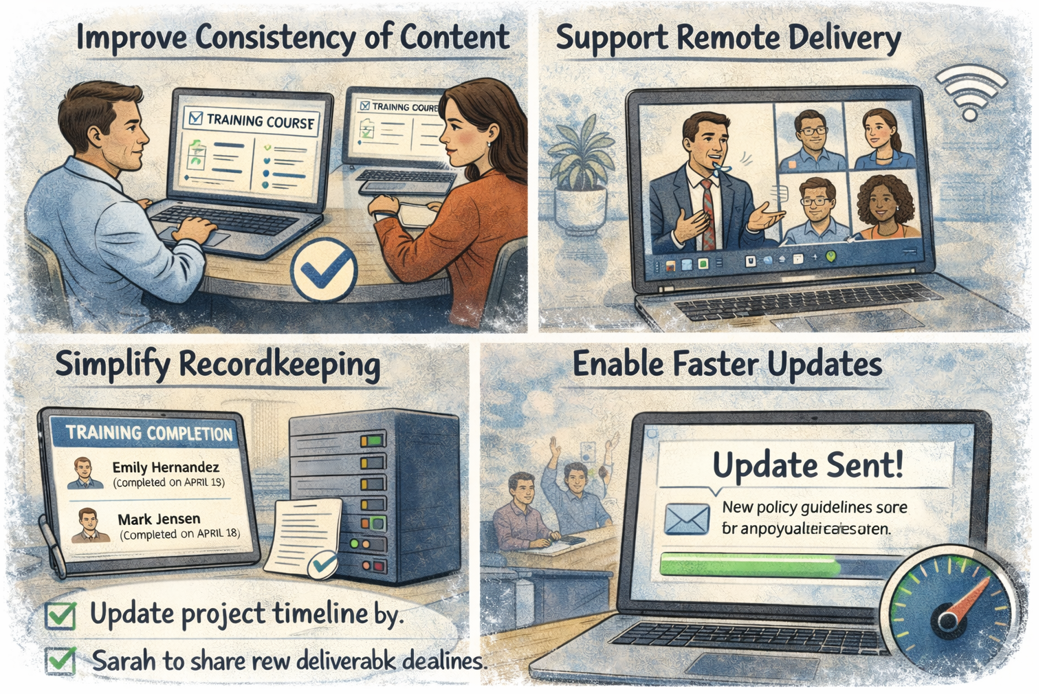
However, the principles remain the same. Technology should support engagement, not replace conversation.
Measuring the Effectiveness of Toolbox Talks
The success of toolbox talks should be measured by outcomes, not just attendance.
Indicators of effective toolbox talks include:
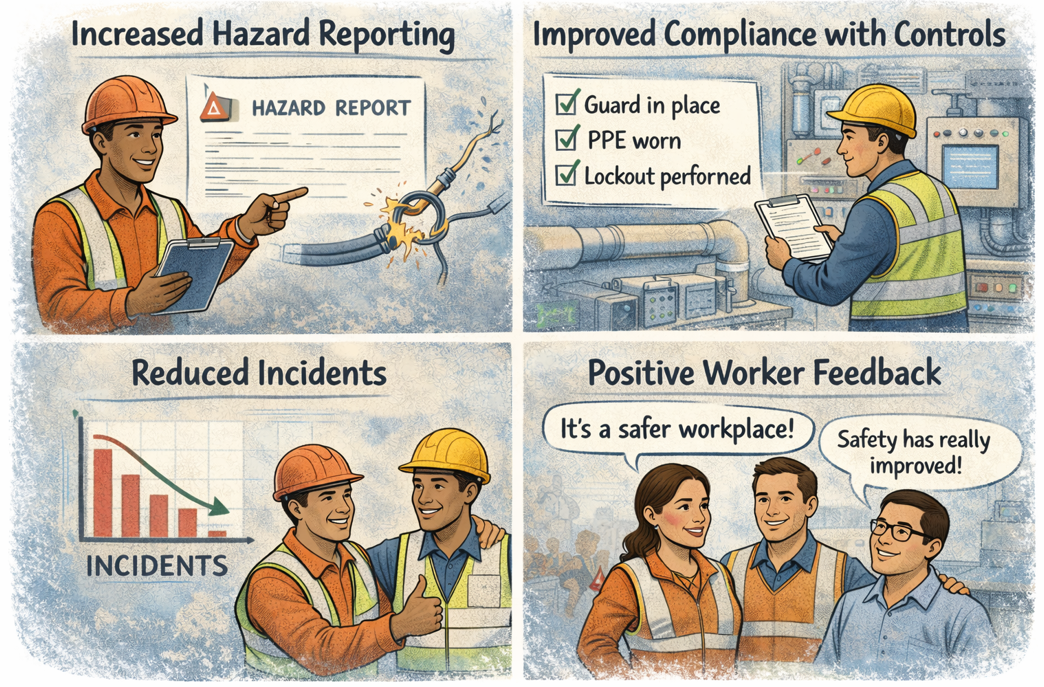
These indicators help determine whether toolbox talks are achieving their purpose.
Keeping Toolbox Talks Fresh and Relevant
Repetition is one of the biggest challenges with toolbox talks. Covering the same topics in the same way leads to disengagement.
To keep talks effective:
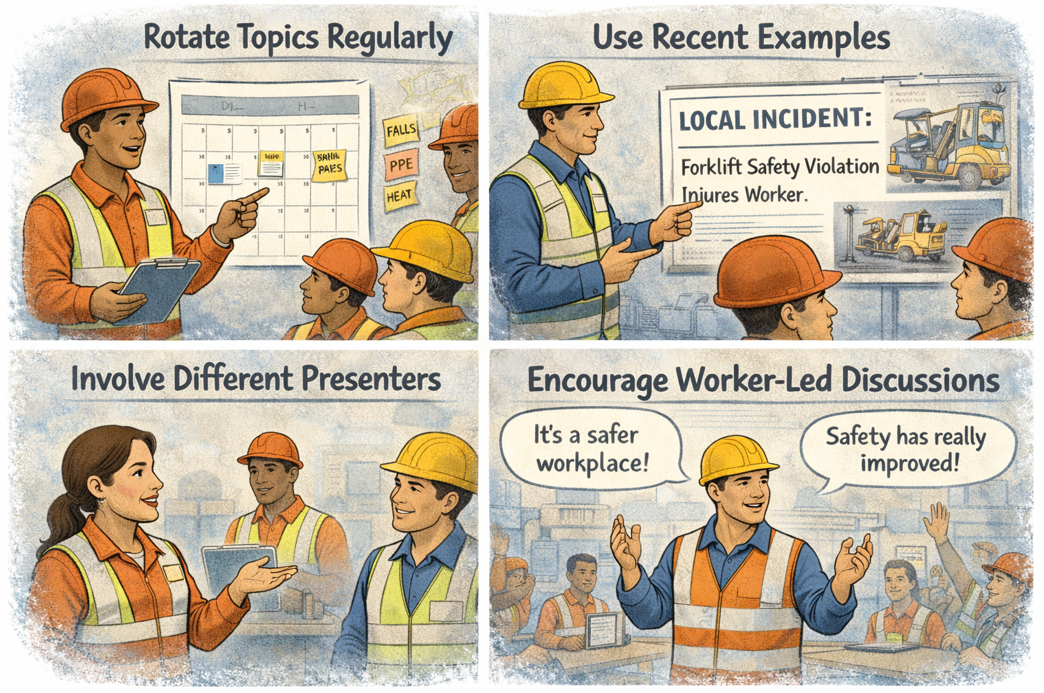
Variety supports attention and learning.
Why Topic Selection Matters
The relevance of a toolbox talk often comes down to topic selection. Choosing topics based on real risk demonstrates that safety discussions are meaningful, not arbitrary.
This is why Toolbox talk topics in Australia should reflect:
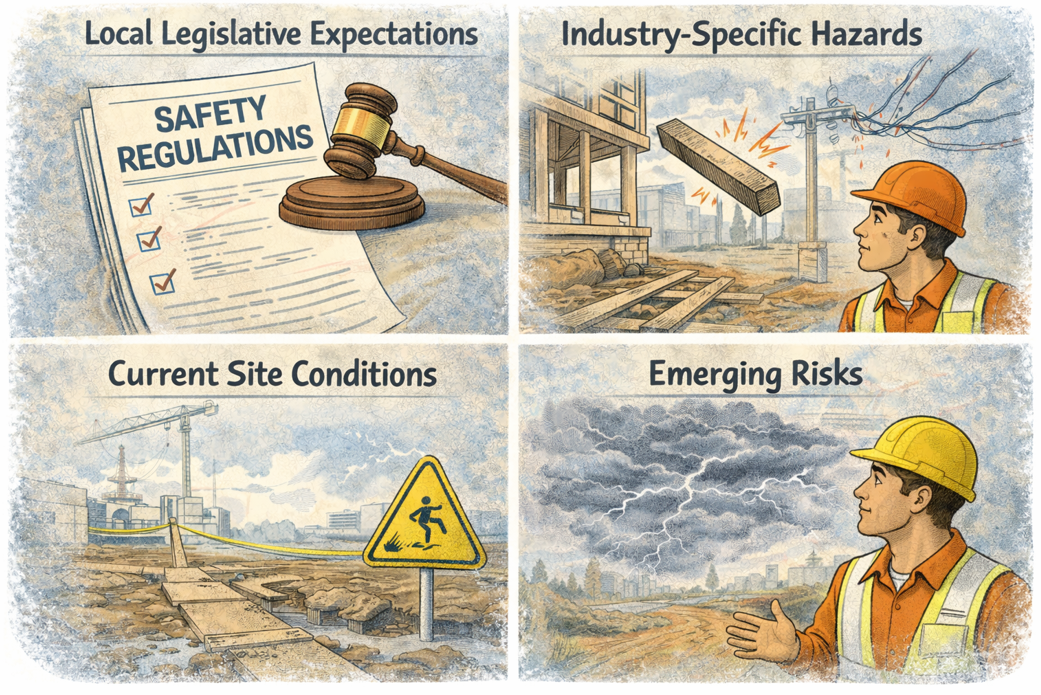
When topics align with real work, engagement increases.
Conclusion
Toolbox talks remain one of the most effective, low-cost tools available to improve workplace safety. They create space for communication, learning, and shared responsibility at the point where work is actually performed.
Selecting the right topics, delivering them well, and genuinely engaging workers are the keys to success. When these elements come together, Toolbox talk topics in Australia become more than routine meetings. They become practical conversations that help prevent harm, strengthen culture, and support safer outcomes across Australian workplaces.
The true measure of a toolbox talk is not whether it was delivered, but whether it changed how people think, act, and look out for one another on the job.
Disclaimer
At SiteSherpa, we follow the Model Work Health and Safety (WHS) Act, along with other relevant legislation, regulations, and codes of practice applicable to Australia, to ensure our content reflects industry best practices. Our resources are designed to provide helpful guidance, but they don’t replace professional advice or legal requirements. We do our best to share accurate and reliable information, but businesses should always check their specific WHS obligations to stay compliant and keep their workplaces safe.
Related Content

Join Our Newsletter
Receive expert insights, safety updates, and the latest updates in our services and apps. Stay ahead of workplace safety, compliance, and operational efficiency—delivered straight to your inbox.
By clicking Subscribe you're confirming that you agree with our Terms and Conditions.