
Workplace
Prequalification Contractor Management: Building Safer, More Reliable Supply Chains Through Smarter Oversight
SiteSherpa · 2026-01-23 · 10 min read
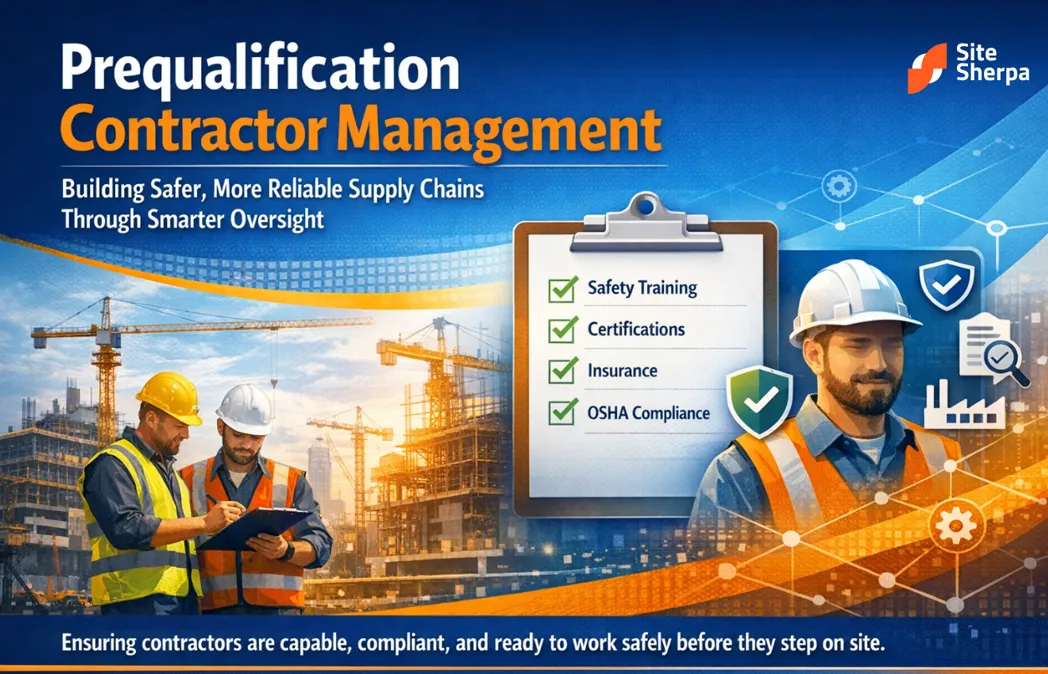
Modern organisations rely heavily on contractors to deliver core services, specialist expertise, and project-based work. From construction and infrastructure to healthcare, logistics, facilities management, and professional services, contractors are now embedded in everyday operations. While this flexibility brings commercial and operational benefits, it also introduces significant risk if contractor engagement is not managed properly.
At the heart of effective contractor governance sits Prequalification contractor management. When designed and implemented well, prequalification processes help organisations understand who they are engaging, how risks will be managed, and whether contractors are genuinely capable of performing work safely and compliantly.
This article explores what prequalification contractor management is, why it matters, how it should be structured, and how organisations can move beyond paperwork-heavy processes toward systems that genuinely reduce risk and support better outcomes.
What Is Prequalification Contractor Management?
Prequalification contractor management is the structured process used by an organisation to assess, approve, and monitor contractors before they are engaged to perform work. It focuses on verifying that a contractor has the appropriate systems, competencies, experience, and resources to manage the risks associated with their scope of work.
Prequalification is not simply about collecting certificates or insurance documents. It is about determining whether a contractor is suitable to work within your operating environment and whether their safety, quality, and compliance practices align with your expectations.
Effective prequalification considers:
When these elements are aligned, contractor risk becomes visible and manageable rather than assumed.
Why Contractor Prequalification Is Critical
Contractors often work across multiple sites, under different conditions, and for multiple clients simultaneously. Without proper oversight, this complexity can lead to gaps in accountability, inconsistent standards, and increased exposure to incidents, regulatory breaches, and reputational damage.
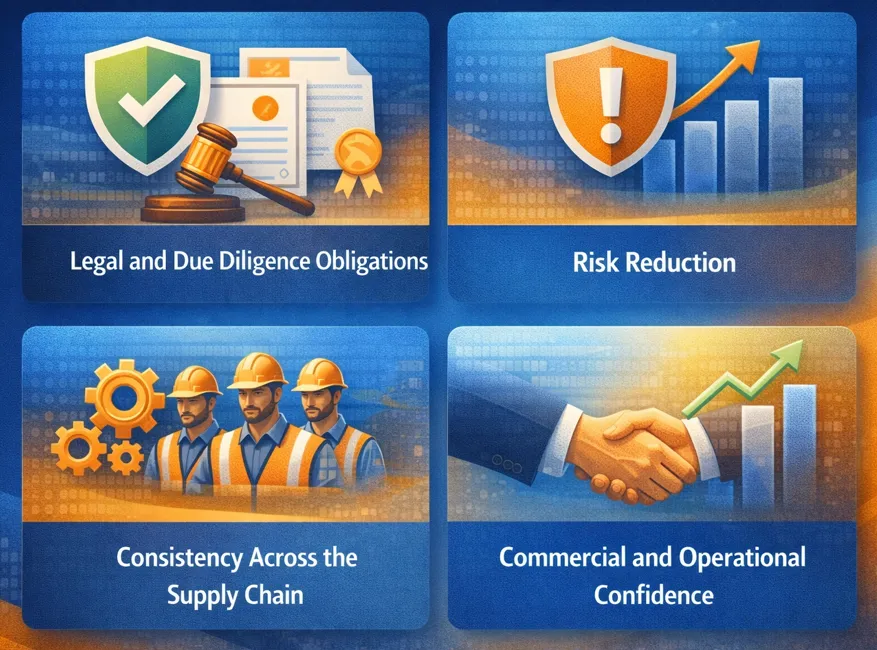
Key reasons organisations invest in contractor prequalification include:
Legal and Due Diligence Obligations
Under work health and safety legislation, organisations cannot outsource their duty of care. Engaging a contractor does not transfer responsibility for ensuring work is carried out safely. Prequalification demonstrates that reasonable steps have been taken to assess contractor capability before work begins.
Risk Reduction
Many serious incidents occur at the contractor interface. Prequalification helps identify gaps in systems, training, or experience before those gaps result in harm.
Consistency Across the Supply Chain
A structured process sets clear expectations and creates consistency across all contractors, regardless of size or scope.
Commercial and Operational Confidence
Engaging capable contractors reduces disruptions, rework, delays, and disputes, supporting smoother project delivery.
The Difference Between Prequalification and Induction
Prequalification and induction are often confused or treated as interchangeable, but they serve very different purposes.
Prequalification answers the question: Should we engage this contractor at all?
Induction answers: How do we work safely together on this site?
Both are essential, but prequalification sets the foundation.
Risk-Based Prequalification: One Size Does Not Fit All
One of the most common mistakes organisations make is applying the same prequalification requirements to every contractor, regardless of risk.
A risk-based approach ensures that the level of assessment matches the nature of the work. For example:
- A low-risk office services contractor may require minimal documentation and verification.
- A high-risk construction or maintenance contractor may require comprehensive system reviews, licences, and evidence of competency.
Risk-based categorisation improves efficiency, reduces administrative burden, and ensures focus is placed where it matters most.
Core Elements of an Effective Prequalification Process
While every organisation’s process will differ based on industry and risk profile, effective prequalification contractor management typically includes the following components.
1. Scope and Risk Assessment
Before assessing a contractor, organisations should clearly define the scope of work and associated risks. This step determines what evidence is required and how the contractor will be assessed.
Clear scoping avoids over or under assessment and sets transparent expectations from the outset.
2. Management System Review
Contractors should demonstrate that they have systems in place to manage health and safety, quality, and environmental risks relevant to their work.
This may include:
- Policies and procedures
- Risk assessment and control processes
- Incident reporting and investigation arrangements
- Consultation and communication mechanisms
The focus should be on suitability and implementation, not just the presence of documents.
3. Competency and Training Verification
Contractors must be able to show that their workers are trained, competent, and authorised to perform the work.
This includes:
- Qualifications and licences
- High-risk work certifications where applicable
- Role-specific training
- Supervision arrangements
Competency verification is particularly important for high-risk tasks.
4. Insurance and Legal Compliance
Insurance certificates, registrations, and licences are essential but should be treated as a baseline requirement rather than the sole focus of prequalification.
These checks help ensure that contractors are legally able to operate and appropriately insured for the work they are performing.
5. Past Performance and Experience
Understanding a contractor’s experience with similar work provides valuable insight into their capability.
This may include:
- Project history
- References
- Incident history trends
- Regulatory interactions
Past performance is often a strong indicator of future performance.
Moving Beyond Paperwork-Based Prequalification
Traditional prequalification processes are often criticised for being slow, manual, and overly focused on documentation. While documentation is important, it does not always reflect how work is actually performed.
Modern approaches to prequalification contractor management aim to:
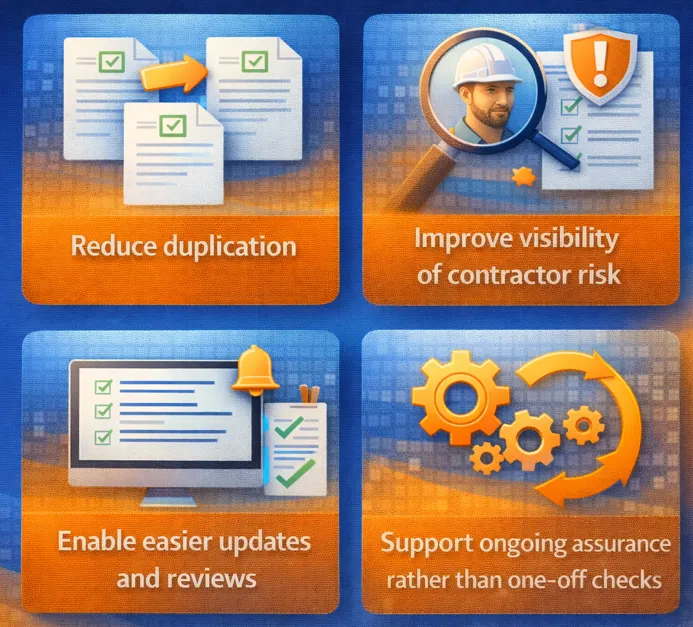
Digital systems and structured workflows can support these outcomes, but technology alone is not the solution. The underlying process must still be risk-based, practical, and aligned with operational realities.
Ongoing Contractor Management After Prequalification
Prequalification is not a one-time activity. Contractor risk changes over time as scopes, personnel, and operating environments evolve.
Effective contractor management includes:
This lifecycle approach ensures that approval remains valid and meaningful.
Common Challenges in Contractor Prequalification
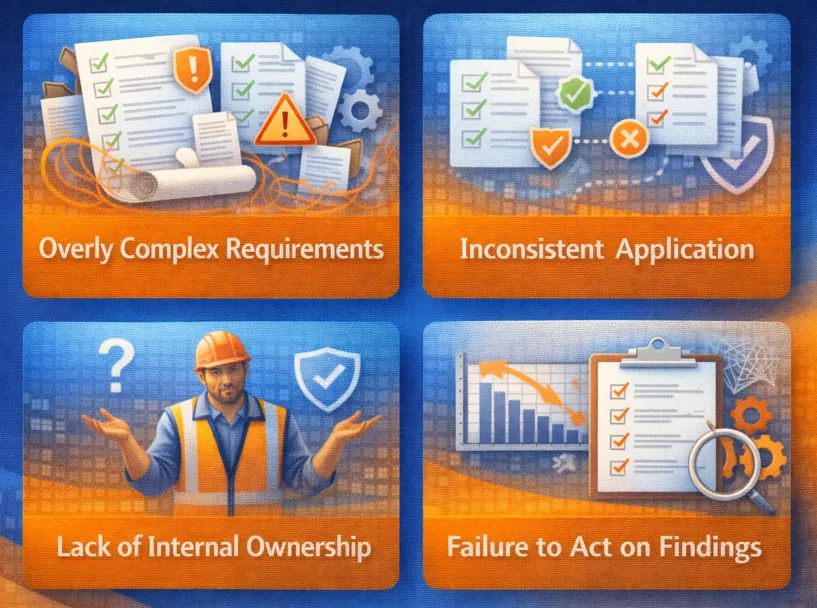
Despite best intentions, many organisations struggle to implement effective prequalification processes. Common challenges include:
Overly Complex Requirements
Excessive documentation requests can discourage capable contractors and create unnecessary administrative burden.
Inconsistent Application
Different teams applying different standards undermines the credibility of the process.
Lack of Internal Ownership
When responsibility for contractor management is unclear, processes often become fragmented or outdated.
Failure to Act on Findings
Identifying gaps without addressing them reduces prequalification to a formality rather than a risk control.
Recognising these challenges is the first step toward improvement.
The Role of Prequalification in Safety Culture
Prequalification sends a powerful message about an organisation’s values. Clear, fair, and transparent processes demonstrate that safety and quality matter, not just cost or speed.
When contractors understand expectations upfront and see consistent enforcement, they are more likely to engage positively and align with organisational standards.
This alignment supports:

Integrating Prequalification With Broader Systems
Prequalification should not sit in isolation. It is most effective when integrated with:
Integration creates a coherent system where contractor information is current, accessible, and actively used to manage risk.
Measuring the Effectiveness of Prequalification
To understand whether prequalification processes are delivering value, organisations should look beyond completion rates and focus on outcomes.
Useful indicators include:
These indicators help demonstrate whether the process is improving safety and performance rather than simply generating records.
Future Trends in Contractor Prequalification
As supply chains become more complex and regulatory expectations increase, contractor prequalification is continuing to evolve.
Emerging trends include:
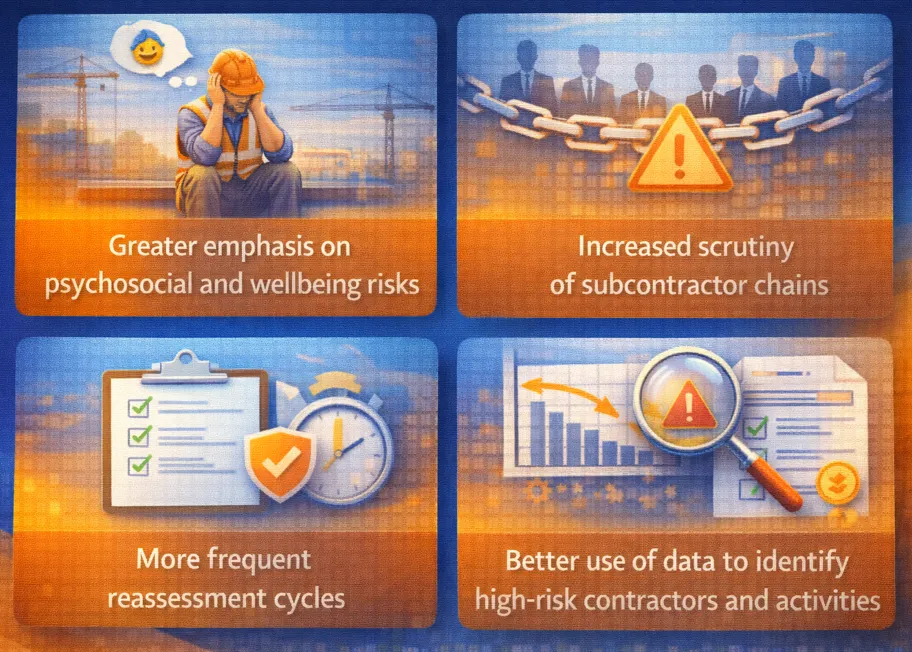
Organisations that adapt to these trends will be better positioned to manage risk proactively.
Conclusion
Contractors play a critical role in modern operations, but they also introduce unique risks that cannot be ignored. Prequalification provides a structured and defensible way to assess contractor capability before work begins and to maintain confidence over time.
When approached thoughtfully, Prequalification contractor management becomes more than a compliance requirement. It becomes a practical tool for protecting people, supporting due diligence, and building reliable, high-performing supply chains.
Rather than asking how quickly contractors can be approved, organisations should be asking how effectively risks are being understood and managed. When that question guides the process, prequalification becomes a genuine driver of safer, more sustainable outcomes.
Stay in the loop.
WHS news, platform updates, and the occasional rant. No spam.
By subscribing you agree to our Terms.