Permit to Work Software

Workplace
Enhancing Workplace Safety with Permit to Work Software
Streamline high-risk work approvals and boost compliance with permit to work software.
Managing high-risk work activities requires more than just compliance; it requires structure, oversight, and real-time communication. In industries such as construction, oil and gas, mining, manufacturing, and utilities, safety procedures must be robust to protect both people and assets. One of the most effective tools for achieving this is permit to work software, a digital solution that streamlines the approval, monitoring, and closure of hazardous work activities.
This article explores what permit to work systems are, why digital solutions are superior to traditional paper-based methods, and how software can transform workplace safety and efficiency.
What is a Permit to Work System?
A permit to work (PTW) system is a formal, documented process used to authorise certain types of high-risk work. It ensures that the right checks, authorisations, and risk controls are in place before work begins.
Typical activities requiring permits include:
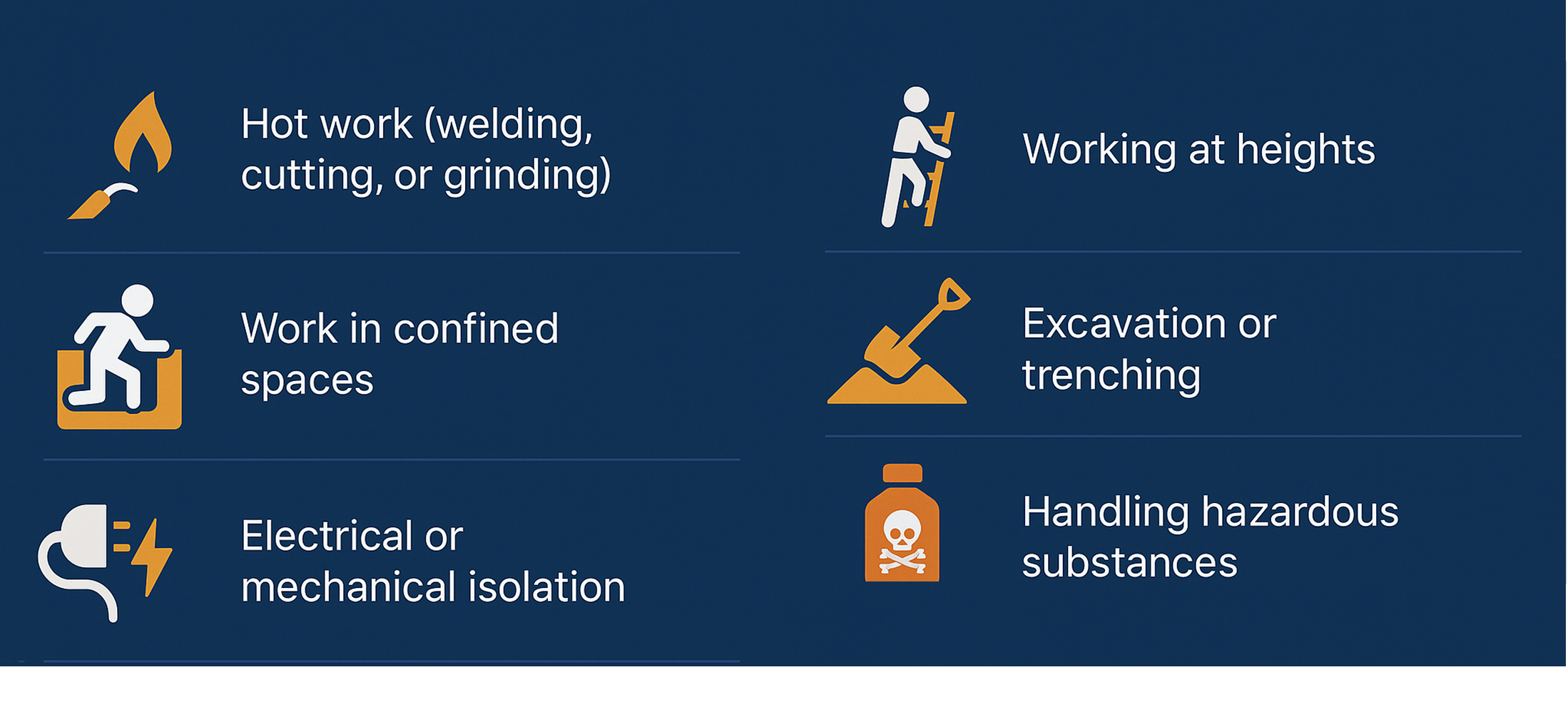
Traditionally, permits were managed using paper-based systems, which often led to inefficiencies, lost documents, and poor visibility. With the growing demand for accountability and compliance, many organisations are shifting to digital permit to work software solutions.
Why Digital Solutions Outperform Paper Systems
While paper-based permits may appear simple, they often create challenges in large or complex workplaces. Delays in approvals, difficulty tracking permit status, and lack of integration with other safety systems can compromise efficiency and compliance.
Digital software solutions address these issues by offering:

- Centralised access: All permits are stored in one secure platform, accessible from multiple devices.
- Real-time monitoring: Managers and supervisors can track active permits instantly.
- Automated workflows: Built-in approvals and reminders ensure that no step is missed.
- Integration with safety systems: Software can connect with risk registers, incident management, and training records.
- Audit readiness: Digital records provide clear evidence of compliance during inspections or investigations.
By reducing manual errors and providing greater visibility, permit to work software supports proactive safety management.
Key Features of Permit to Work Software
When evaluating software solutions, businesses should look for features that align with their operational needs. Common capabilities include:

1. Customisable Permit Types
Different industries require unique permit formats. Software should allow businesses to customise permits for specific work types, hazards, and regulatory requirements.
2. Role-Based Access Control
Ensuring only authorised personnel can issue, approve, or close permits is crucial. Role-based permissions provide accountability and prevent unauthorised work.
3. Mobile Accessibility
Field workers need access to permits on the go. Mobile-friendly platforms allow permits to be requested, approved, and closed directly from smartphones or tablets.
4. Automated Notifications
Reminders for pending approvals, expiring permits, or overdue closures ensure that critical actions are not missed.
5. Reporting and Analytics
Software should generate detailed reports to identify patterns, highlight risks, and demonstrate compliance with safety regulations.
Benefits for Businesses
Implementing permit to work software brings measurable benefits, including:
- Enhanced safety: Clear authorisation processes reduce the likelihood of accidents during high-risk work.
- Time savings: Automated workflows reduce delays and eliminate repetitive paperwork.
- Improved compliance: Detailed digital records help meet regulatory requirements and simplify audits.
- Operational efficiency: Integration with broader safety systems ensures a holistic approach to risk management.
- Stronger accountability: Every action—whether approval, rejection, or closure—is traceable to a specific person.

For businesses operating across multiple sites, centralised software also provides consistency and visibility across all locations.
Integrating Software into Workplace Safety Systems
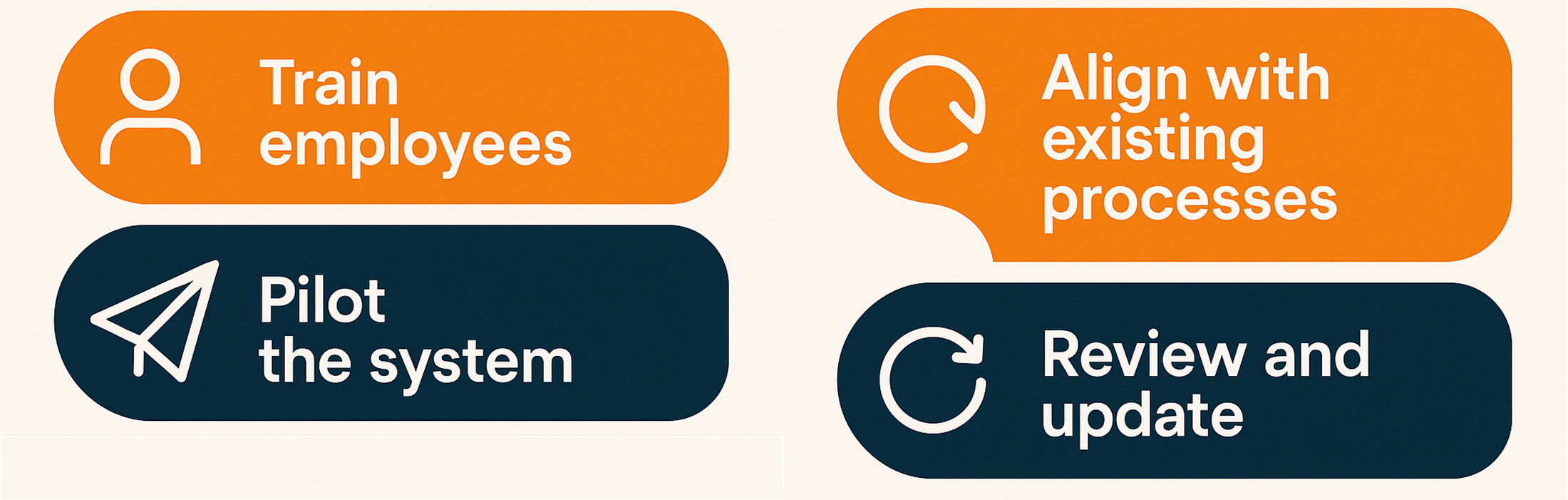
Adopting new software requires more than implementation; it demands cultural alignment. To ensure success:
- Train employees: Workers and supervisors should understand how to use the system effectively.
- Pilot the system: Trial software on a single site or work activity before rolling it out organisation-wide.
- Align with existing processes: Integration with existing WHS systems avoids duplication and ensures smooth adoption.
- Review and update: Regular reviews of the software’s effectiveness help identify improvements and adapt to changing requirements.
Compliance and Legal Considerations
Workplace health and safety laws across Australia and internationally require businesses to implement effective risk controls for hazardous work. While regulations do not mandate a specific tool, using permit to work software demonstrates due diligence by documenting every step of the process. In the event of an incident, digital records provide critical evidence that the correct procedures were followed.
Conclusion
Workplace safety is non-negotiable, particularly in industries where high-risk activities are routine. By moving from paper-based systems to permit to work software, organisations gain stronger control, greater efficiency, and a clear audit trail.
This investment not only supports compliance with legal requirements but also builds trust among employees, clients, and regulators. Ultimately, software-driven permit to work systems help create safer, more accountable workplaces, ensuring that risks are managed effectively and workers return home safely every day.
.png)
Disclaimer
At SiteSherpa, we follow the Model Work Health and Safety (WHS) Act, along with other relevant legislation, regulations, and codes of practice applicable to Australia, to ensure our content reflects industry best practices. Our resources are designed to provide helpful guidance, but they don’t replace professional advice or legal requirements. We do our best to share accurate and reliable information, but businesses should always check their specific WHS obligations to stay compliant and keep their workplaces safe.
Related Content
.png)
.png)
.png)
.png)
.png)
.png)
.png)
.png)
.png)

Join Our Newsletter
Receive expert insights, safety updates, and the latest updates in our services and apps. Stay ahead of workplace safety, compliance, and operational efficiency—delivered straight to your inbox.
By clicking Subscribe you're confirming that you agree with our Terms and Conditions.