Perth Workplace Safety Consultants

Workplace
Building Safer Workplaces in Western Australia: The Essential Role of Perth Workplace Safety Consultants
Why safety consulting is crucial for compliance, productivity, and wellbeing in Perth’s diverse industries
Western Australia’s economy is built on energy, infrastructure, mining, logistics, and trade. Across every sector from heavy industry to healthcare, construction to corporate offices, one principle unites them all: the need for safe and healthy workplaces.
Ensuring workplace safety is not just a legal requirement under the Work Health and Safety Act 2020 (WA); it is a moral and strategic responsibility. Safe work environments reduce accidents, improve morale, and enhance overall business performance. However, as regulations become more complex and expectations rise, many organisations need expert guidance to stay compliant and create strong safety cultures.
That’s where Perth workplace safety consultants come in. These professionals provide the expertise, systems, and training necessary to help businesses prevent incidents, comply with legislation, and foster environments where workers can thrive.
This article explores the essential role safety consultants play in Perth’s business ecosystem, how they add value across industries, and why engaging them is one of the smartest investments an organisation can make.
The Foundation of Workplace Safety
Workplace safety is about more than compliance, it’s about people. It’s about ensuring every employee, contractor, and visitor goes home safely at the end of each day.
The Work Health and Safety Act 2020 (WA) requires that businesses, or Persons Conducting a Business or Undertaking (PCBU), ensure the health and safety of workers “so far as is reasonably practicable.” This includes identifying hazards, managing risks, and maintaining safe systems of work.
Common causes of workplace incidents across Western Australia include:

While some of these risks are visible, others are hidden within systems, behaviours, or cultures. Effective safety management requires a systematic approach something that experienced consultants specialise in designing and delivering.
What Do Workplace Safety Consultants Do?
A workplace safety consultant is a trained professional who advises organisations on all aspects of health and safety compliance, risk management, and culture. They act as strategic partners, helping businesses create safer operations, meet legal obligations, and enhance productivity.
Common Services Provided
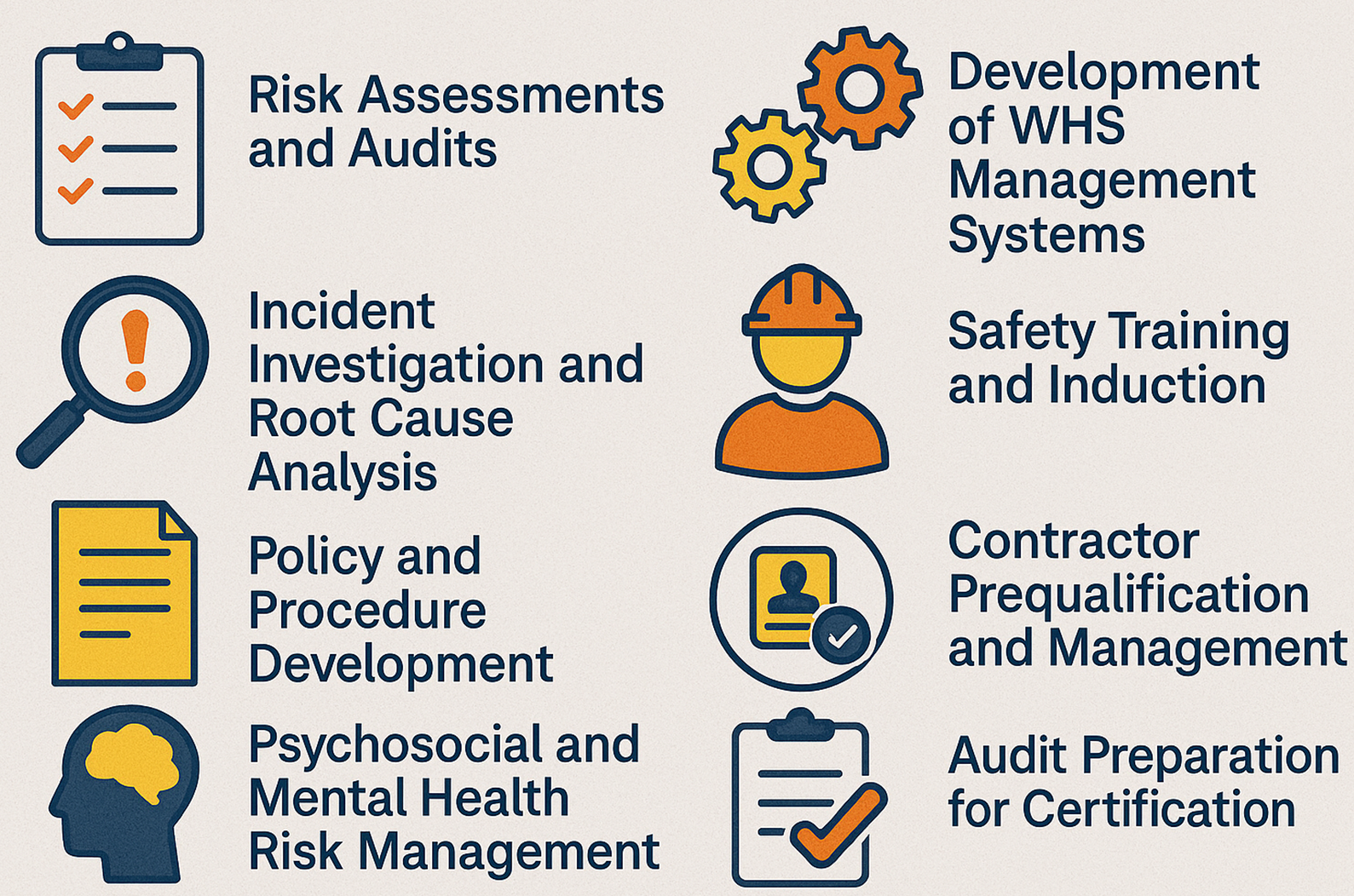
- Risk Assessments and Audits
Consultants conduct comprehensive site inspections to identify hazards, evaluate controls, and recommend improvements.
- Development of WHS Management Systems
They design safety systems aligned with ISO 45001 and Western Australian regulatory standards.
- Incident Investigation and Root Cause Analysis
When accidents occur, consultants analyse the underlying causes and help prevent recurrences.
- Safety Training and Induction
They deliver tailored training programs, toolbox talks, and safety leadership sessions.
- Policy and Procedure Development
Consultants draft safety policies, Safe Work Method Statements (SWMS), and Emergency Response Plans.
- Contractor Prequalification and Management
They ensure contractors meet required safety standards before commencing work.
- Psychosocial and Mental Health Risk Management
Consultants assist with compliance under the new psychosocial hazard requirements introduced by Safe Work Australia.
- Audit Preparation for Certification
Many businesses seek assistance preparing for third-party audits or government inspections.
Through these services, Perth workplace safety consultants provide the structure and expertise that transforms safety from a regulatory checkbox into an organisational strength.
Why Perth’s Business Environment Demands Expert Safety Support
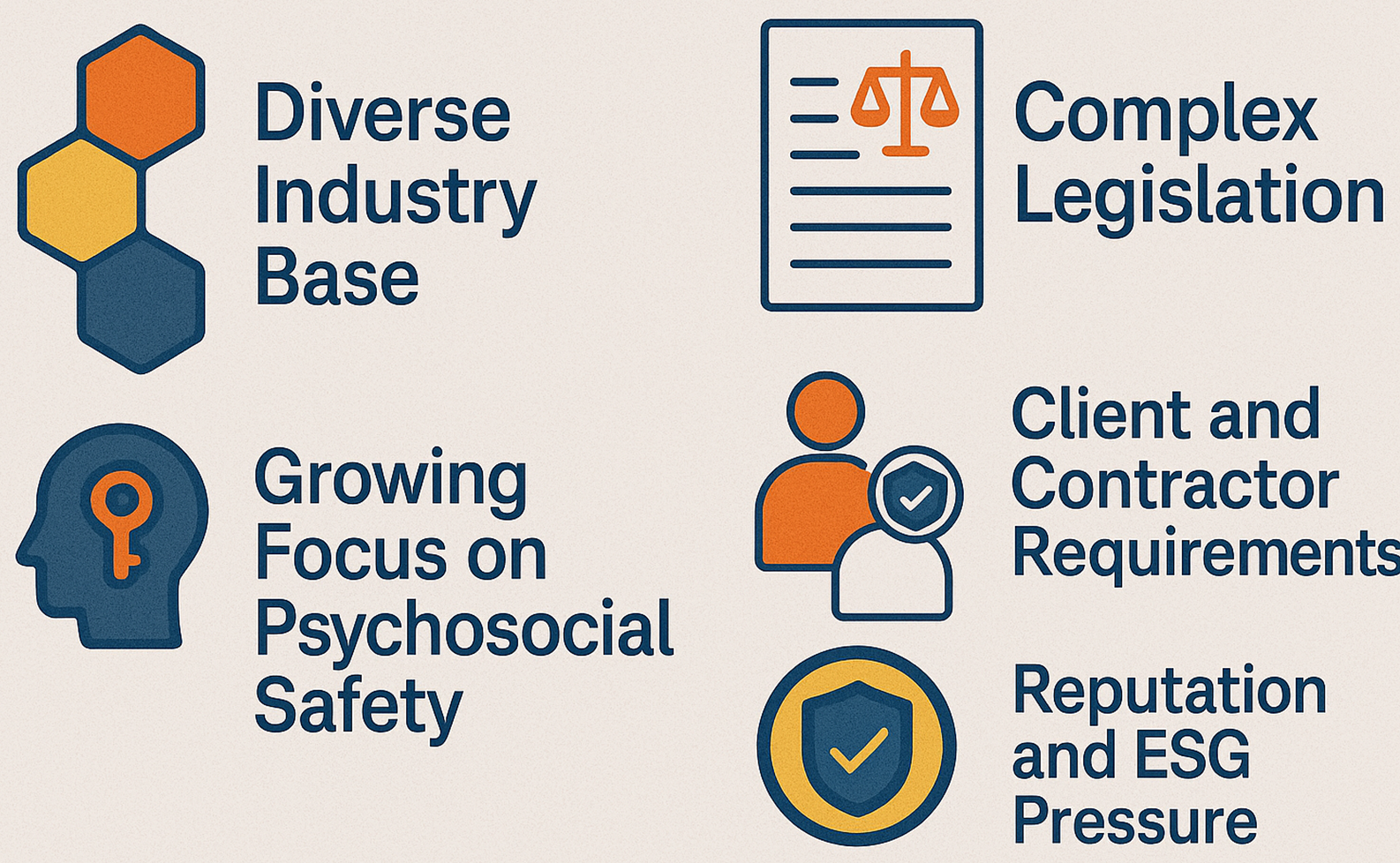
1. Diverse Industry Base
Perth is home to sectors ranging from mining and construction to education, retail, logistics, and professional services. Each industry presents unique risks that demand specialised knowledge. Consultants bring the cross-sector expertise to tailor safety systems for each environment.
2. Complex Legislation
Western Australia’s WHS Act harmonised many national standards but retains state-specific elements. Businesses must also consider supporting regulations, codes of practice, and industry standards such as AS/NZS ISO 45001:2018. Navigating these legal frameworks requires expert interpretation.
3. Growing Focus on Psychosocial Safety
New WHS regulations require organisations to manage psychosocial hazards such as bullying, fatigue, or stress. Consultants help businesses comply with these modern safety dimensions.
4. Client and Contractor Requirements
Major projects, particularly in the resources and construction sectors, demand rigorous safety documentation and contractor verification. Consultants ensure documentation and systems meet client expectations.
5. Reputation and ESG Pressure
Stakeholders increasingly judge organisations by their safety record. A strong safety culture enhances Environmental, Social, and Governance (ESG) performance and public trust.
The Process: How Consultants Work with Businesses
Engaging a consultant typically involves several structured steps to ensure outcomes are measurable and aligned with the organisation’s needs.
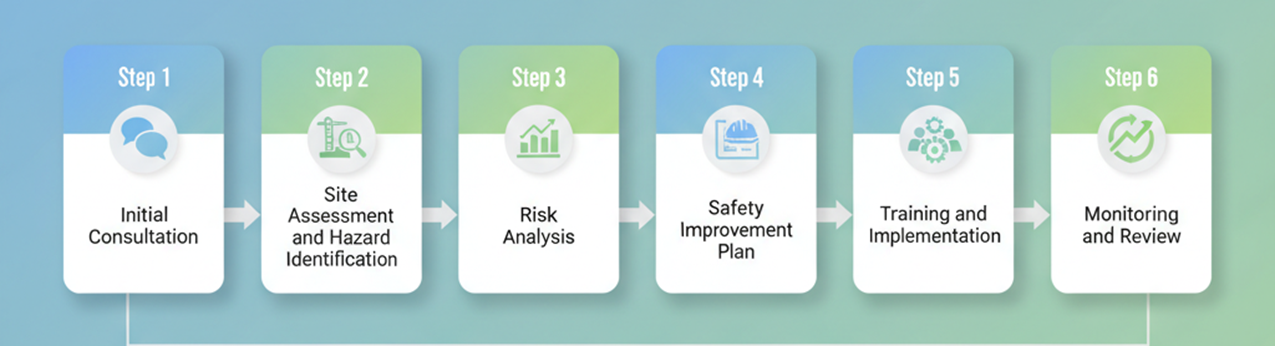
Step 1: Initial Consultation
The consultant meets with key stakeholders to understand the business structure, existing systems, and safety challenges.
Step 2: Site Assessment and Hazard Identification
A physical inspection is conducted to identify potential hazards, unsafe behaviours, and compliance gaps.
Step 3: Risk Analysis
Consultants assess the likelihood and consequence of each hazard, prioritising high-risk areas.
Step 4: Safety Improvement Plan
A tailored plan outlines corrective actions, responsible parties, and implementation timelines.
Step 5: Training and Implementation
Consultants assist in rolling out new systems, delivering employee training, and embedding cultural change.
Step 6: Monitoring and Review
Periodic reviews ensure safety systems remain effective and adapt to new risks or operational changes.
This structured approach not only improves compliance but also ensures continuous improvement in workplace health and safety performance.
Key Services in Detail

1. Risk Management Frameworks
Consultants help develop structured frameworks based on the “hierarchy of controls” elimination, substitution, engineering, administration, and personal protective equipment (PPE).
For example:
- Eliminating hazardous chemicals where possible.
- Substituting manual handling tasks with mechanical aids.
- Installing guarding or isolation barriers.
- Implementing training and safe work procedures.
2. WHS Management Systems
A documented system defines policies, responsibilities, and processes. Consultants create systems aligned with ISO 45001 and integrate them with quality (ISO 9001) and environmental (ISO 14001) standards.
3. Emergency Preparedness and Response
Emergency Response Plans (ERPs) are mandatory for most workplaces. Consultants prepare site-specific plans that address fire, chemical spills, medical incidents, and natural disasters.
4. Health and Wellbeing Programs
Modern consultants address both physical and mental wellbeing, designing initiatives around ergonomics, fatigue management, and psychological safety.
5. Contractor Management
Given Perth’s heavy reliance on subcontracting, consultant-led systems ensure that all external parties meet site safety standards through prequalification and ongoing performance monitoring.
Common Challenges Perth Businesses Face
Despite good intentions, many organisations struggle with safety for predictable reasons:
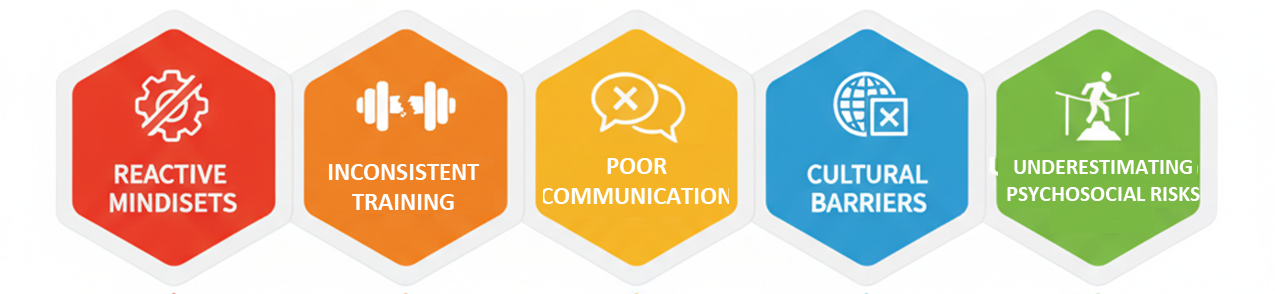
- Reactive Mindsets – Responding only after incidents occur rather than preventing them.
- Inconsistent Training – Workers lack ongoing education or refresher sessions.
- Poor Communication – Safety messages don’t always reach every level of the business.
- Cultural Barriers – A “she’ll be right” attitude still exists in some industries.
- Underestimating Psychosocial Risks – Stress and fatigue are often overlooked until they affect performance or cause absenteeism.
Consultants help overcome these challenges through cultural change programs and leadership engagement.
Case Study: Improving Safety in a Perth Manufacturing Facility
A medium-sized metal fabrication company in Welshpool faced rising injury rates and non-compliance notices from WorkSafe WA. Management engaged a safety consulting firm to overhaul their approach.
Actions Taken:
- Conducted a full risk audit and hazard analysis.
- Implemented a new WHS management system aligned with ISO 45001.
- Introduced daily pre-start safety talks and monthly leadership training.
- Established a safety committee representing all departments.
- Updated SWMS for welding, crane operation, and chemical use.
- Improved lighting and machine guarding throughout the workshop.
Results After 12 Months:
- Lost-time injury frequency rate dropped by 60%.
- Employee engagement surveys showed a 40% increase in perceived safety culture.
- The company successfully passed a WorkSafe inspection with zero major non-conformances.
This case demonstrates the measurable benefits of engaging professional Perth workplace safety consultants — improving compliance, culture, and operational efficiency.
Legal Compliance: What Businesses Need to Know
Under the Work Health and Safety Act 2020 (WA), employers must:

- Identify and manage hazards and risks.
- Provide safe systems of work.
- Consult with workers on safety matters.
- Maintain information, training, and supervision.
- Keep incident and injury records.
Failure to comply can result in significant penalties. For example, corporate penalties for Category 1 offences (reckless conduct) can reach up to $3.5 million, while individuals can face imprisonment.
Consultants provide assurance that your business meets these obligations, avoiding fines, litigation, or damage to reputation.
The Role of Technology in Modern Safety Management
Technology is transforming the way safety is monitored, reported, and improved.
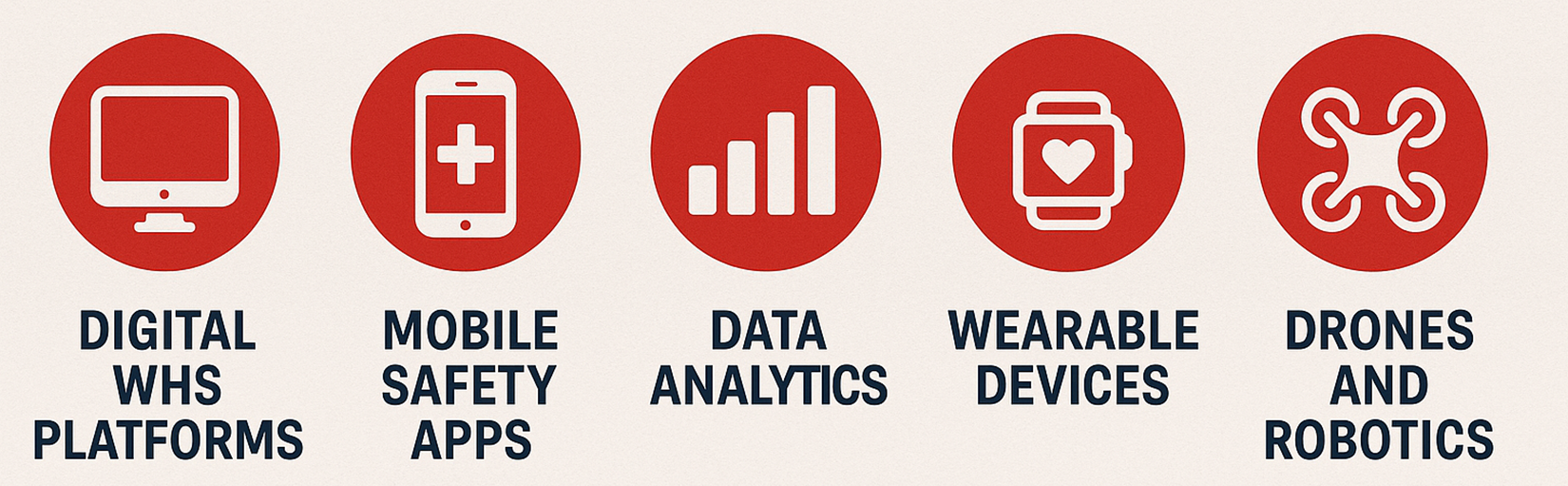
Examples Include:
- Digital WHS Platforms: Cloud-based systems track incidents, inspections, and corrective actions in real time.
- Mobile Safety Apps: Enable workers to log hazards or complete checklists from the field.
- Data Analytics: Identifies trends to predict and prevent incidents before they occur.
- Wearable Devices: Monitor fatigue, vibration exposure, or posture.
- Drones and Robotics: Allow remote inspection of hazardous or inaccessible areas.
Consultants help integrate these innovations into existing operations, ensuring technology supports, not complicates, your WHS systems.
Training: The Cornerstone of Safety
No system is effective without proper training. Consultants deliver customised learning programs that target both technical and behavioural competencies.
Common Training Areas:
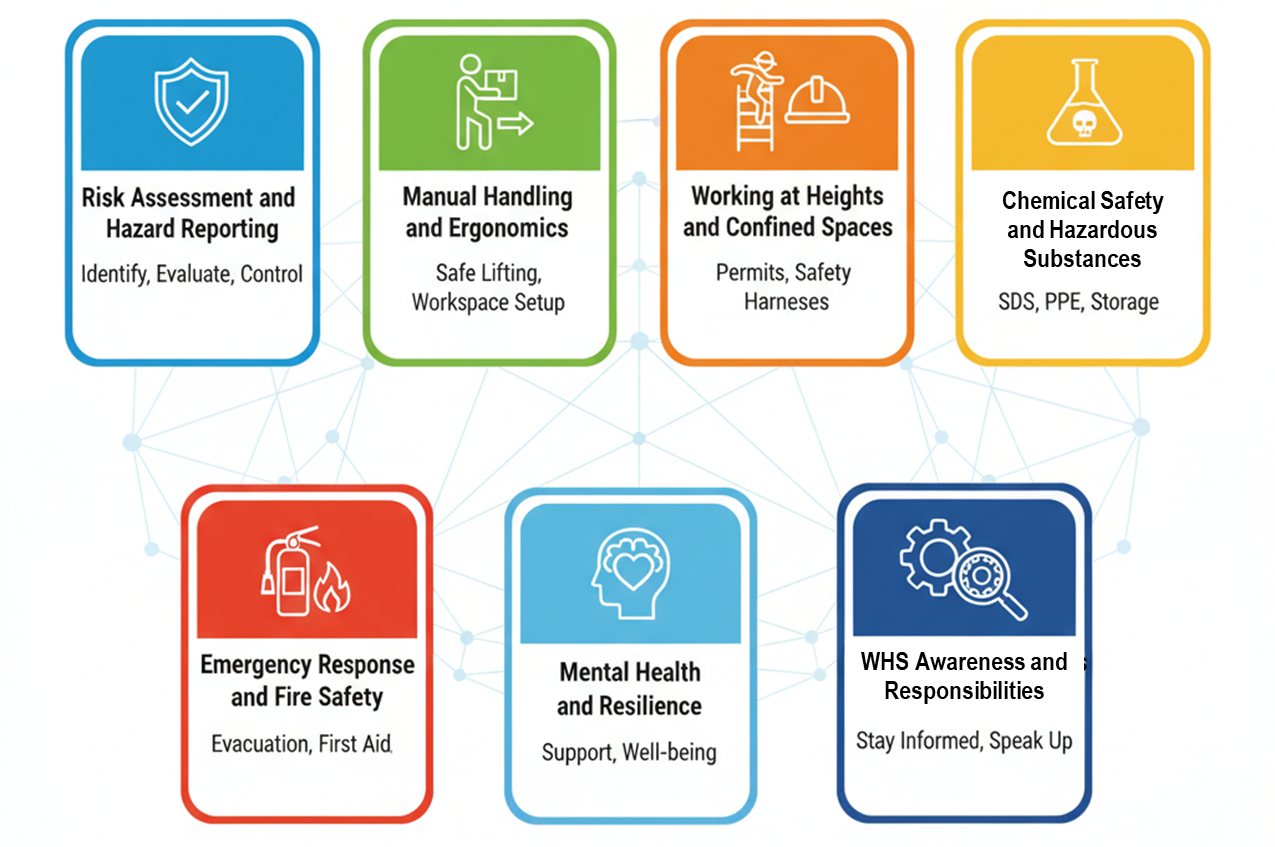
Training not only reduces incident rates but also empowers employees to take ownership of safety outcomes.
The Economic Value of a Strong Safety Culture
Safety isn’t just about compliance, it’s about business performance. According to Safe Work Australia, workplace injuries and illnesses cost Australian businesses billions each year in lost productivity, compensation, and turnover.
Investing in proactive safety systems yields tangible benefits:

- Reduced Workers’ Compensation Premiums: Lower claims translate into cost savings.
- Fewer Disruptions: Fewer incidents mean less downtime and rework.
- Improved Productivity: Healthy employees are more engaged and efficient.
- Enhanced Reputation: Clients and investors prefer companies with a strong safety record.
A consultant helps quantify and deliver these savings by aligning safety initiatives with business objectives.
Cultural Transformation: From Compliance to Commitment
True safety success requires more than documentation, it requires culture.
Consultants help organisations embed safety into their DNA by:
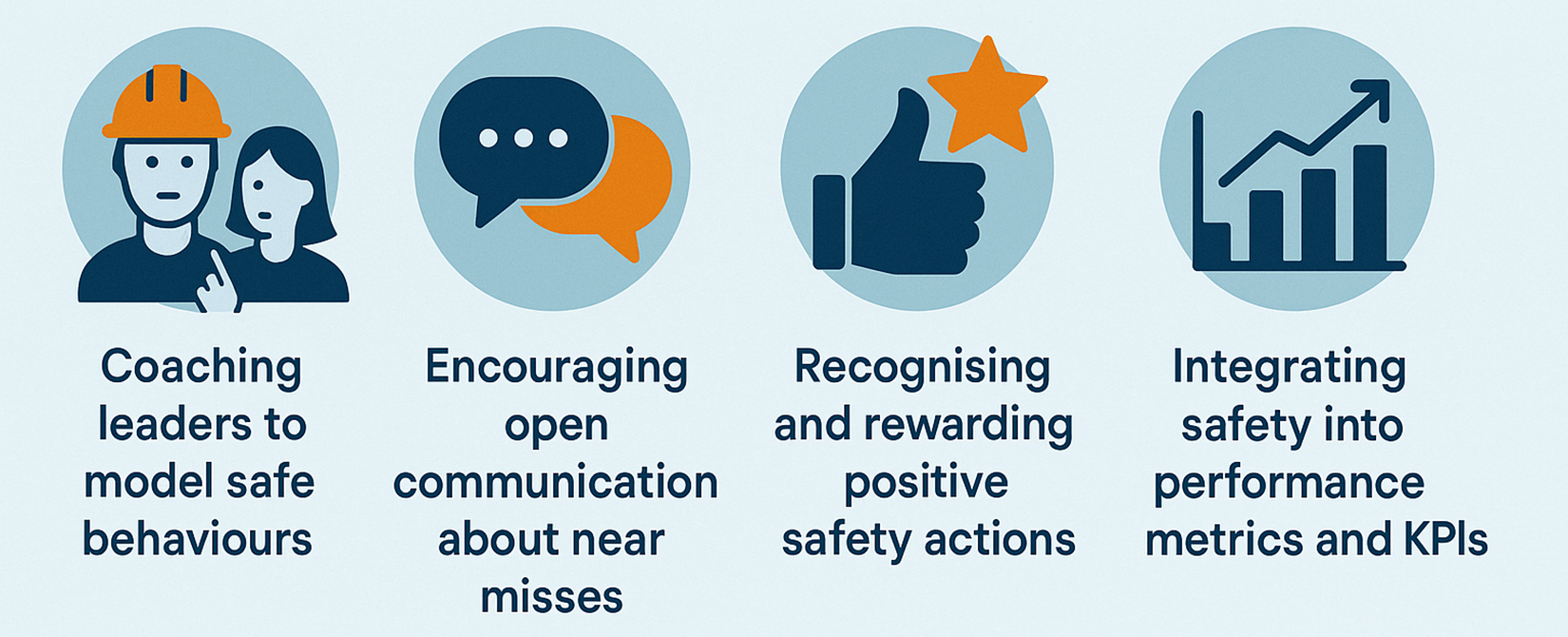
When employees see that management genuinely values their wellbeing, engagement and accountability increase dramatically.
Selecting the Right Safety Consultant
Choosing a consultant is an important decision.
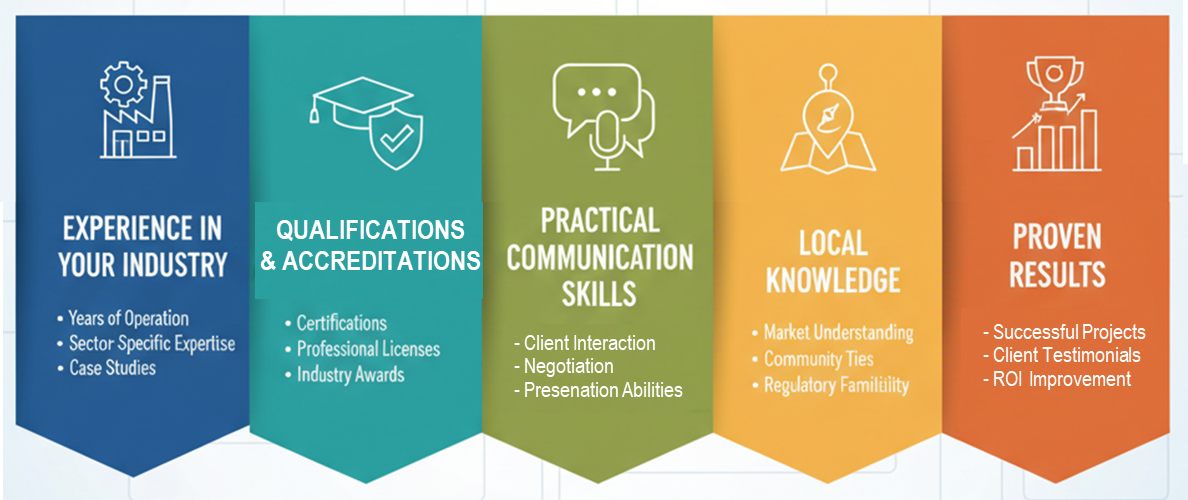
Look for:
- Experience in Your Industry: Ensure familiarity with relevant hazards, whether in construction, logistics, or professional services.
- Qualifications and Accreditation: Certifications such as Diploma or Graduate Diploma in WHS and membership with the Australian Institute of Health & Safety (AIHS).
- Practical Communication Skills: Ability to translate technical requirements into understandable actions.
- Local Knowledge: Understanding of Western Australian legislation and regulators like WorkSafe WA.
- Proven Results: References and case studies demonstrating measurable improvements.
By selecting experienced Perth workplace safety consultants, businesses can ensure their safety programs are not only compliant but also effective and sustainable.
Continuous Improvement: Keeping Safety Dynamic
Safety is never static. It evolves as operations, technologies, and regulations change.

Consultants help organisations adopt a Plan-Do-Check-Act approach for ongoing improvement:
- Plan: Identify hazards, assess risks, and set safety objectives.
- Do: Implement control measures and provide training.
- Check: Audit performance, gather data, and analyse incidents.
- Act: Update systems and reinforce accountability.
This cyclical process ensures organisations remain adaptive, proactive, and resilient in the face of change.
The Future of Workplace Safety in Perth
Perth is experiencing strong economic growth, with major infrastructure, construction, and resource projects driving employment. As industries evolve, so do the safety challenges especially with automation, mental health, and sustainability at the forefront.
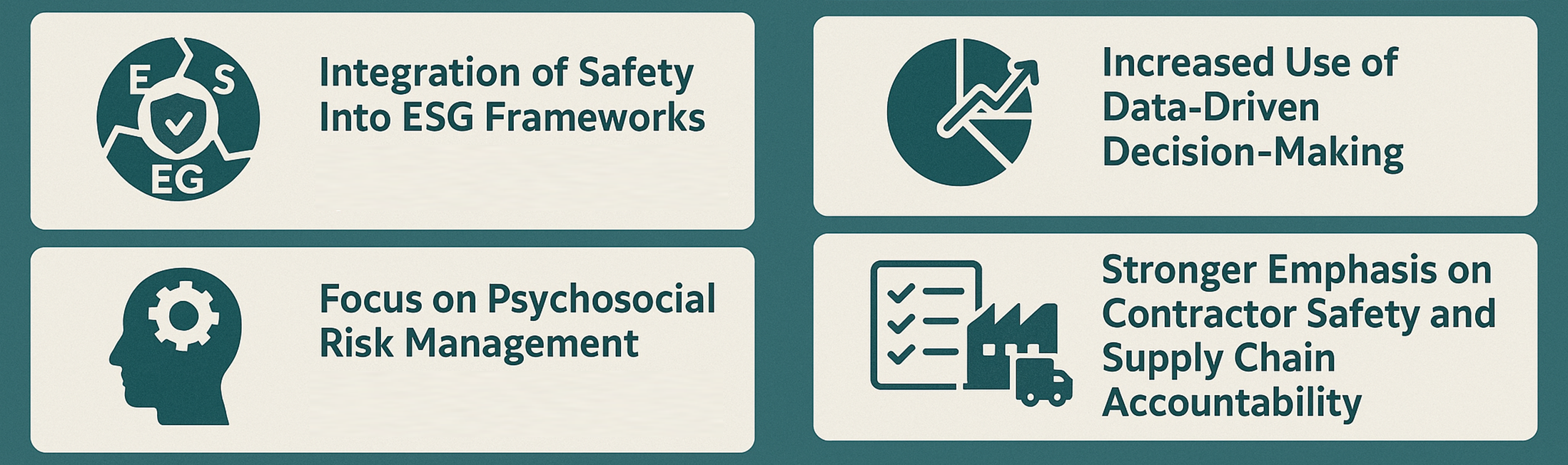
Emerging trends include:
- Integration of safety into Environmental, Social, and Governance (ESG) frameworks.
- Focus on psychosocial risk management under new national codes.
- Increased use of data-driven decision-making.
- Stronger emphasis on contractor safety and supply chain accountability.
Consultants will play a pivotal role in guiding Perth’s businesses through these transitions balancing innovation with risk management and compliance.
Conclusion
Workplace safety is the foundation of every successful organisation. It protects people, strengthens performance, and builds trust with clients, regulators, and communities. In Western Australia, where industries are expanding and regulations continue to evolve, expert guidance is essential.
Engaging professional Perth workplace safety consultants ensures your business not only meets its legal obligations but also fosters a proactive culture of care, competence, and continuous improvement. From risk assessments and training to strategic leadership development, consultants provide the expertise to transform safety from a compliance task into a competitive advantage.
When safety becomes everyone’s responsibility supported by expert insight, the result is a stronger, smarter, and more sustainable workplace. For Perth’s thriving industries, that means a safer future for all.
.png)
Disclaimer
At SiteSherpa, we follow the Model Work Health and Safety (WHS) Act, along with other relevant legislation, regulations, and codes of practice applicable to Australia, to ensure our content reflects industry best practices. Our resources are designed to provide helpful guidance, but they don’t replace professional advice or legal requirements. We do our best to share accurate and reliable information, but businesses should always check their specific WHS obligations to stay compliant and keep their workplaces safe.
Related Content
.png)
.png)
.png)
.png)
.png)
.png)

Join Our Newsletter
Receive expert insights, safety updates, and the latest updates in our services and apps. Stay ahead of workplace safety, compliance, and operational efficiency—delivered straight to your inbox.
By clicking Subscribe you're confirming that you agree with our Terms and Conditions.