EWP SWMS

Safety
A Guide to EWP SWMS: Ensuring Safety When Working at Heights
Why an EWP SWMS is vital for compliance, risk management, and worker safety.
Elevating Work Platforms (EWPs) are widely used across industries such as construction, warehousing, telecommunications, and maintenance. They allow workers to safely perform tasks at height, but they also introduce significant risks. Falls, equipment failures, and unsafe operation remain leading causes of workplace incidents.
To manage these risks, organisations rely on a structured safety document known as a Safe Work Method Statement (SWMS). Specifically, an EWP SWMS provides a clear, practical guide to ensure elevated work platform tasks are carried out safely, legally, and efficiently.
In this article, we’ll explore what an EWP SWMS is, why it matters, how to prepare one, and how it fits into broader workplace safety systems.
What Is an EWP SWMS?
An EWP SWMS (Elevating Work Platform Safe Work Method Statement) is a formal document that outlines how work involving elevated platforms will be conducted safely. It identifies hazards associated with using equipment such as scissor lifts, boom lifts, or cherry pickers and describes the risk controls that must be in place before work begins.
The document typically includes:
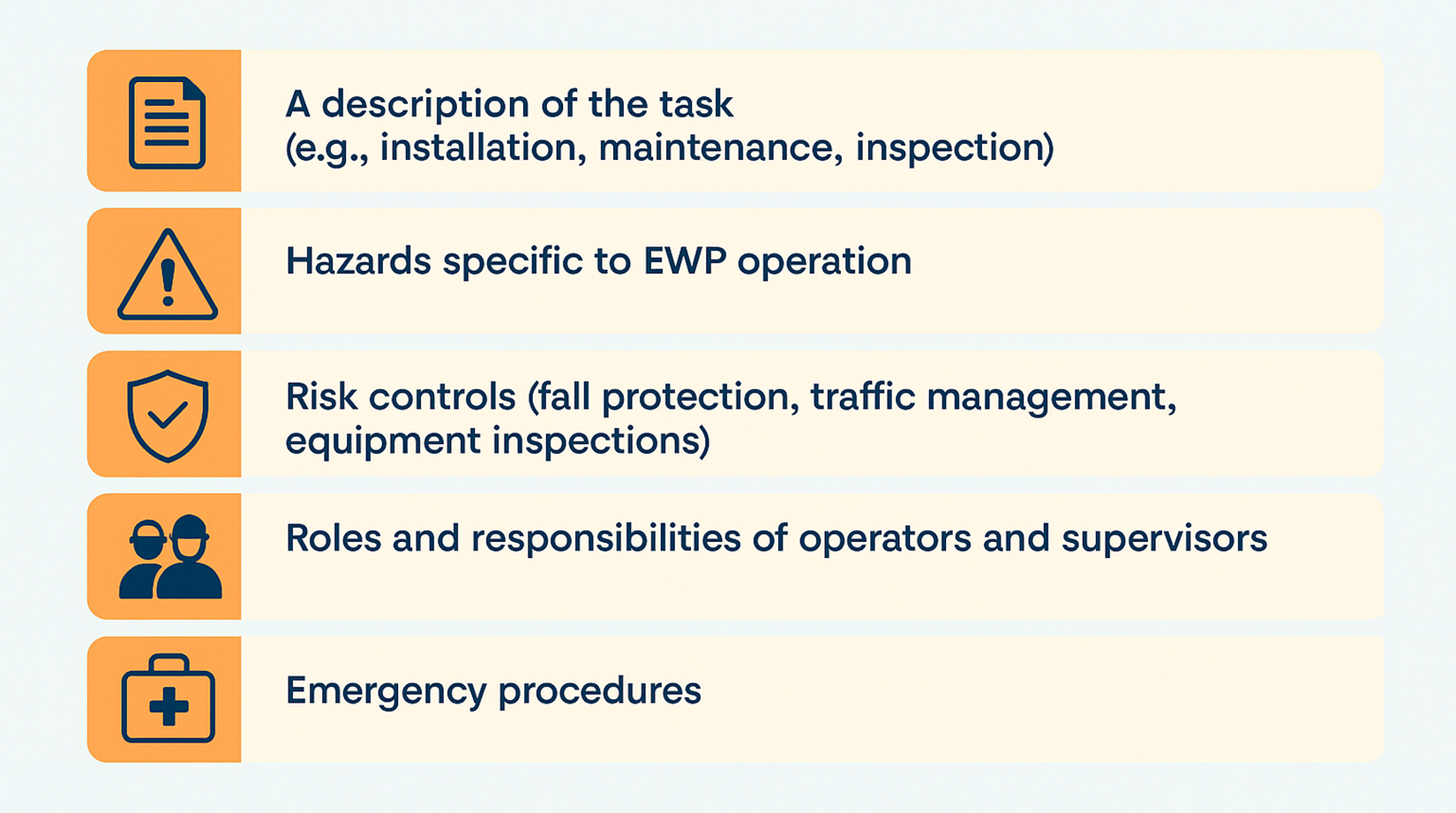
By clearly outlining these elements, an EWP SWMS ensures all workers understand their responsibilities and the measures necessary to prevent accidents.
Why Is an EWP SWMS Important?
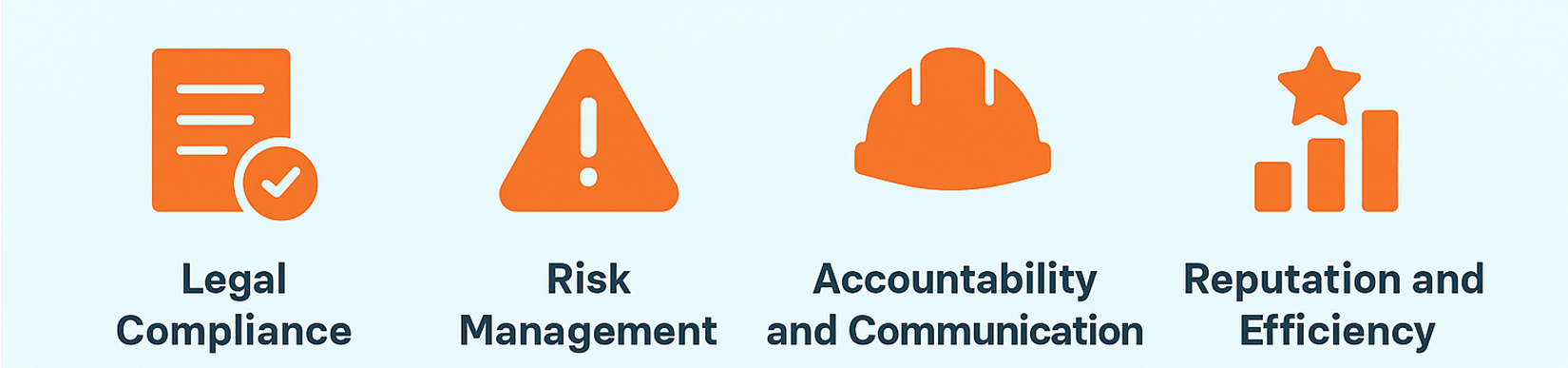
1. Legal Compliance
In Australia, the Work Health and Safety Regulations 2011 (Cth) require a SWMS for high-risk construction work, which includes working at heights greater than two metres. An EWP SWMS meets this legal requirement and helps businesses demonstrate compliance.
2. Risk Management
EWPs present multiple hazards—falls, tipping, electrocution, and collisions. A structured SWMS ensures these risks are identified and controlled before work begins.
3. Accountability and Communication
The SWMS assigns responsibilities to operators, spotters, and supervisors. It also acts as a communication tool, ensuring everyone is on the same page before tasks start.
4. Reputation and Efficiency
Clients and regulators view SWMS compliance as a sign of professionalism. Beyond safety, it contributes to smoother workflows and fewer delays caused by incidents.
Hazards Associated with EWPs
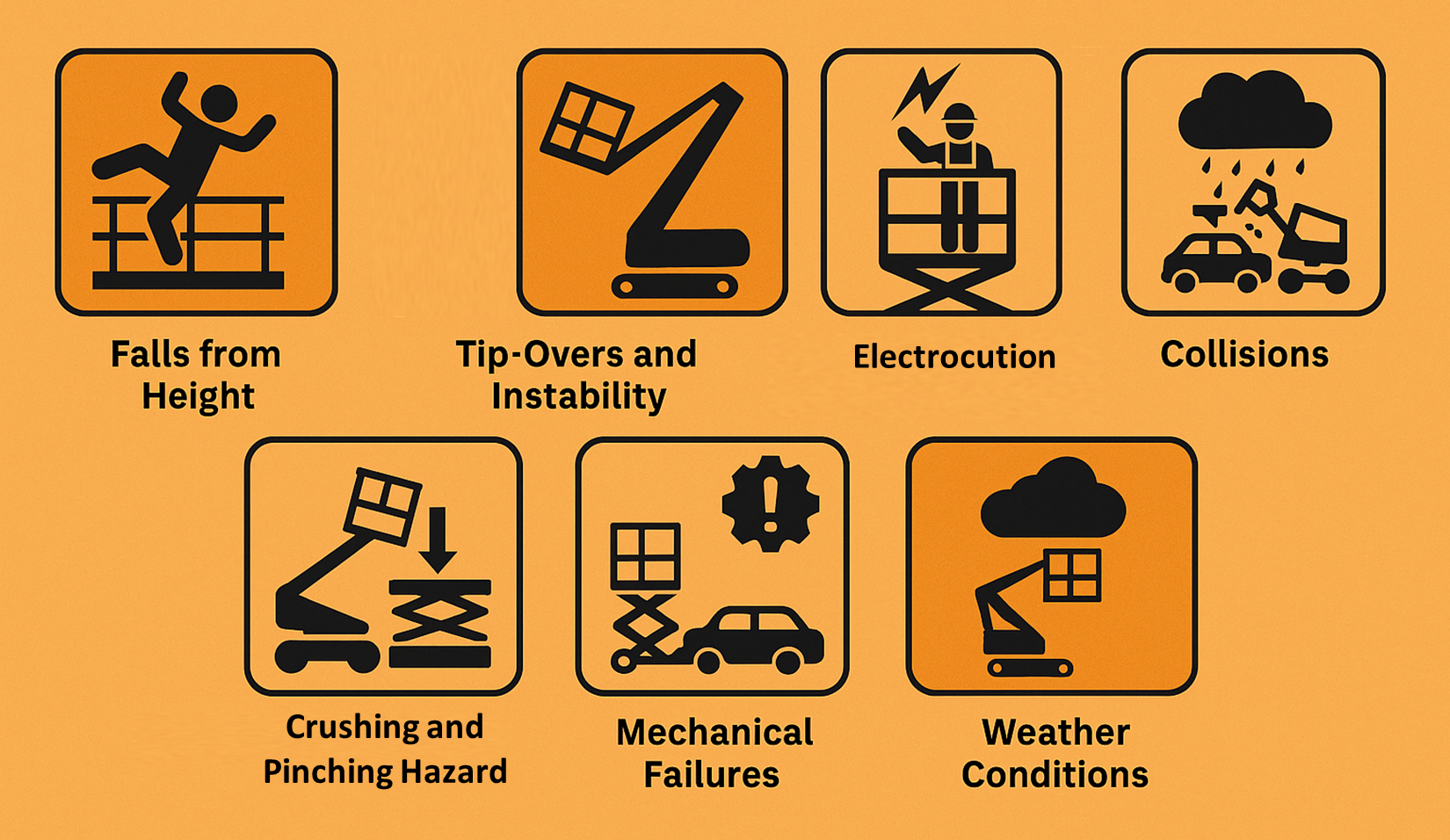
Using an EWP introduces specific risks that must be considered in any EWP SWMS:
1. Falls from Height
Workers can fall from platforms due to inadequate guardrails, lack of harnesses, or improper use.
2. Tip-Overs and Instability
Uneven ground, overloading, or high winds can cause EWPs to tip.
3. Electrocution
Working near overhead powerlines or electrical installations exposes operators to electrocution risks.
4. Crushing and Pinching Hazards
Workers can become trapped between the platform and structures.
5. Collisions
Mobile EWPs may collide with other vehicles, structures, or workers if traffic management is inadequate.
6. Mechanical Failures
Hydraulic leaks, faulty brakes, or malfunctioning controls can cause accidents.
7. Weather Conditions
High winds, rain, or poor visibility make EWP operation hazardous.
Key Elements of an EWP SWMS
A well-prepared EWP SWMS includes the following components:

1. Project and Task Information
- Project name, location, and scope of work.
- Description of the EWP activity (installation, maintenance, inspection).
2. Hazard Identification
- Falls, tipping, electrocution, and crushing hazards.
- Site-specific risks such as underground services or nearby traffic.
3. Risk Assessment
- Likelihood and severity of each hazard.
- Prioritisation of controls.
4. Control Measures
- Engineering controls (guardrails, outriggers, alarms).
- Administrative controls (permits, traffic control, exclusion zones).
- PPE (harnesses, helmets, high-visibility clothing).
5. Work Procedures
- Pre-start checks of the EWP.
- Safe operating practices (load limits, stability, safe travel).
- Communication protocols between operators and spotters.
6. Emergency Procedures
- Rescue plans for workers stranded at height.
- Procedures for tip-overs, electrical contact, or mechanical failure.
7. Roles and Responsibilities
- Operators must be licensed and competent.
- Spotters ensure exclusion zones are maintained.
- Supervisors verify compliance with the SWMS.
8. Review and Approval
- Sign-off by supervisors and workers before starting.
- Updates when site conditions or tasks change.
Preparing an EWP SWMS
Creating an EWP SWMS involves several steps:

1. Consult with Stakeholders
Engage operators, supervisors, and health and safety representatives to identify hazards and controls.
2. Use a Template
Start with a structured format to ensure nothing is overlooked. Many regulators and industry associations provide SWMS templates.
3. Tailor to the Task
Avoid generic documents. Ensure the EWP SWMS reflects the specific site, equipment, and work activities.
4. Keep It Clear and Simple
Use plain language, bullet points, and diagrams to make the SWMS easy to understand.
5. Communicate with Workers
Review the EWP SWMS with the team before work begins, ensuring they understand their roles and responsibilities.
6. Review Regularly
Update the document whenever conditions, equipment, or personnel change.
Best Practices for EWP Safety

- Conduct Pre-Start Inspections: Check hydraulics, brakes, guardrails, and alarms before use.
- Maintain Exclusion Zones: Prevent vehicles and pedestrians from entering the EWP operating area.
- Use Harnesses Correctly: Ensure workers are attached to anchor points at all times.
- Monitor Weather Conditions: Do not operate in high winds or storms.
- Train Operators Thoroughly: Ensure only licensed and competent workers operate EWPs.
- Have Emergency Rescue Plans: Prepare for entrapment, electrical contact, or platform failures.
Case Study: Implementing an EWP SWMS in Construction
A construction company in Melbourne undertook façade installation on a 12-storey building using boom lifts.
To manage risks, they implemented a detailed EWP SWMS.
Actions Taken:
- Developed task-specific SWMS for each stage of façade installation.
- Conducted pre-start meetings to review hazards and controls.
- Established exclusion zones monitored by spotters.
- Introduced digital checklists for EWP inspections.
Outcomes:
- Zero incidents across a six-month project.
- Improved worker confidence in safety procedures.
- Client recognition for outstanding safety performance.
This case highlights how a well-prepared SWMS reduces incidents and strengthens workplace culture.
Digital EWP SWMS: The Future of Safety
With the rise of mobile technology, many organisations are adopting digital EWP SWMS systems. Benefits include:
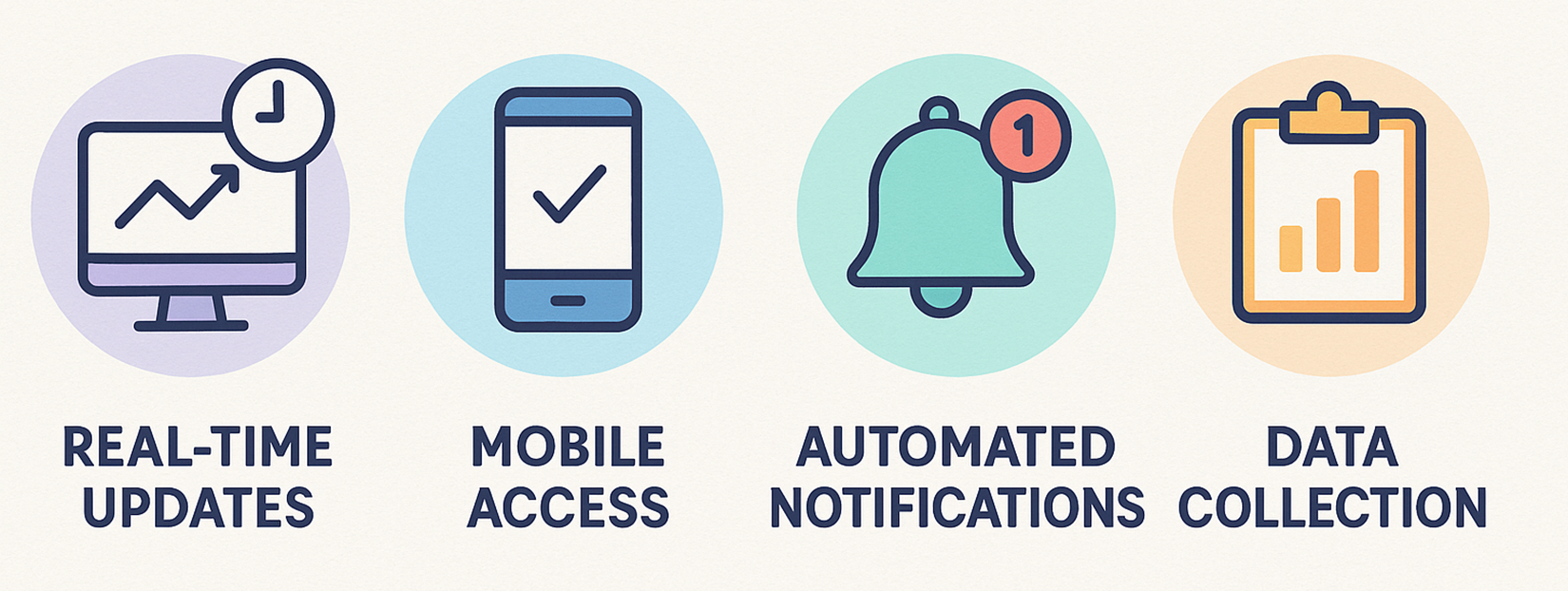
- Real-Time Updates: Immediate revisions when site conditions change.
- Mobile Access: Workers can access and sign off via smartphones or tablets.
- Automated Notifications: Reminders for inspections, reviews, and sign-offs.
- Data Collection: Insights into compliance and hazard trends.
Digital systems make SWMS easier to manage, enforce, and monitor across multiple sites.
Training and Competency Requirements
An EWP SWMS is only effective if workers are trained and competent. Essential training includes:
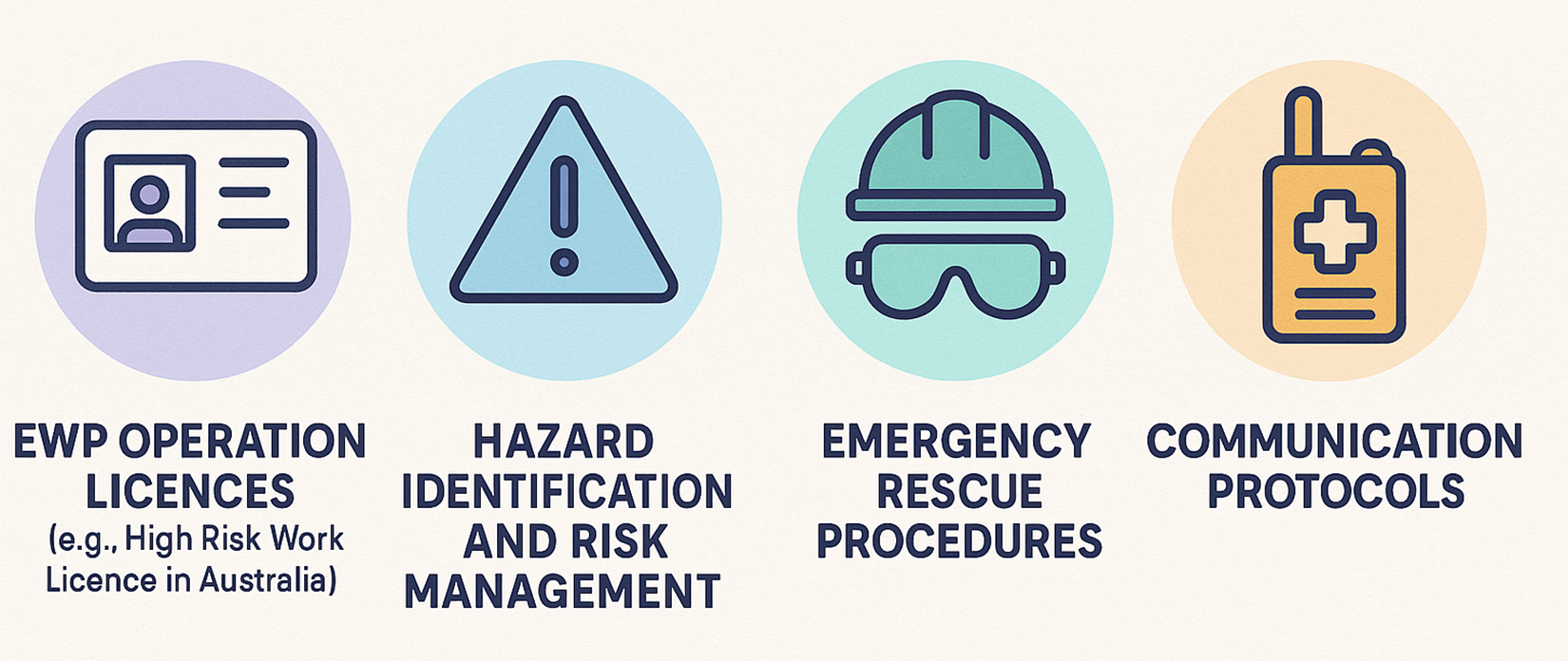
Supervisors must also be trained in monitoring compliance and reviewing SWMS documents.
Common Challenges in Implementing EWP SWMS
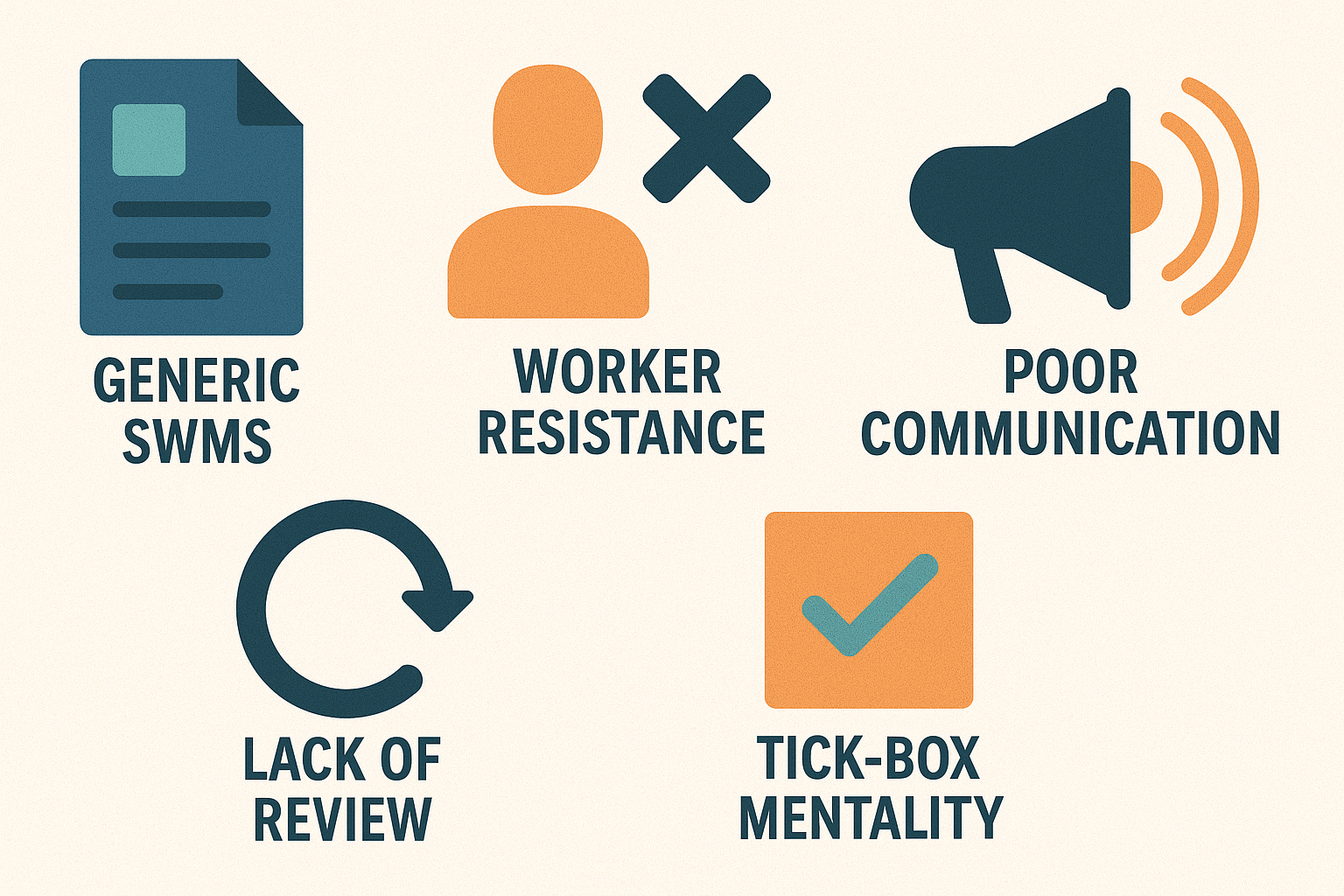
- Generic SWMS: Overly broad documents that don’t reflect site-specific risks.
- Worker Resistance: Perception that SWMS are paperwork rather than practical tools.
- Poor Communication: Workers not fully briefed on the SWMS before starting.
- Lack of Review: Failure to update SWMS when conditions or tasks change.
- Tick-Box Mentality: Treating SWMS as compliance only, not as a safety framework.
Overcoming these challenges requires leadership commitment, worker engagement, and continuous improvement.
Future Trends in EWP SWMS

- Integration with Wearables: Linking SWMS compliance with operator health monitoring.
- AI and Predictive Analytics: Identifying risks before incidents occur.
- Virtual Reality Training: Simulating EWP hazards for workers before real-world operation.
- Global Harmonisation: Greater alignment between international EWP safety standards.
- Sustainability Considerations: Incorporating environmental impacts into SWMS planning.
Conclusion
Working with elevated work platforms presents serious risks, but these can be managed with the right systems in place. An EWP SWMS provides a structured, legally compliant framework for identifying hazards, implementing controls, and ensuring everyone understands their responsibilities.
By consulting workers, tailoring documents to specific tasks, and integrating digital tools, organisations can transform SWMS from a compliance exercise into a powerful safety management tool.
Ultimately, the purpose of an EWP SWMS is simple: to save lives, protect workers, and make sure that every person who goes up on a platform comes back down safely.
.png)
Disclaimer
At SiteSherpa, we follow the Model Work Health and Safety (WHS) Act, along with other relevant legislation, regulations, and codes of practice applicable to Australia, to ensure our content reflects industry best practices. Our resources are designed to provide helpful guidance, but they don’t replace professional advice or legal requirements. We do our best to share accurate and reliable information, but businesses should always check their specific WHS obligations to stay compliant and keep their workplaces safe.
Related Content
.png)
.png)
.png)
.png)
.png)
.png)
.png)
.png)
.png)

Join Our Newsletter
Receive expert insights, safety updates, and the latest updates in our services and apps. Stay ahead of workplace safety, compliance, and operational efficiency—delivered straight to your inbox.
By clicking Subscribe you're confirming that you agree with our Terms and Conditions.